
Introduction to Topics
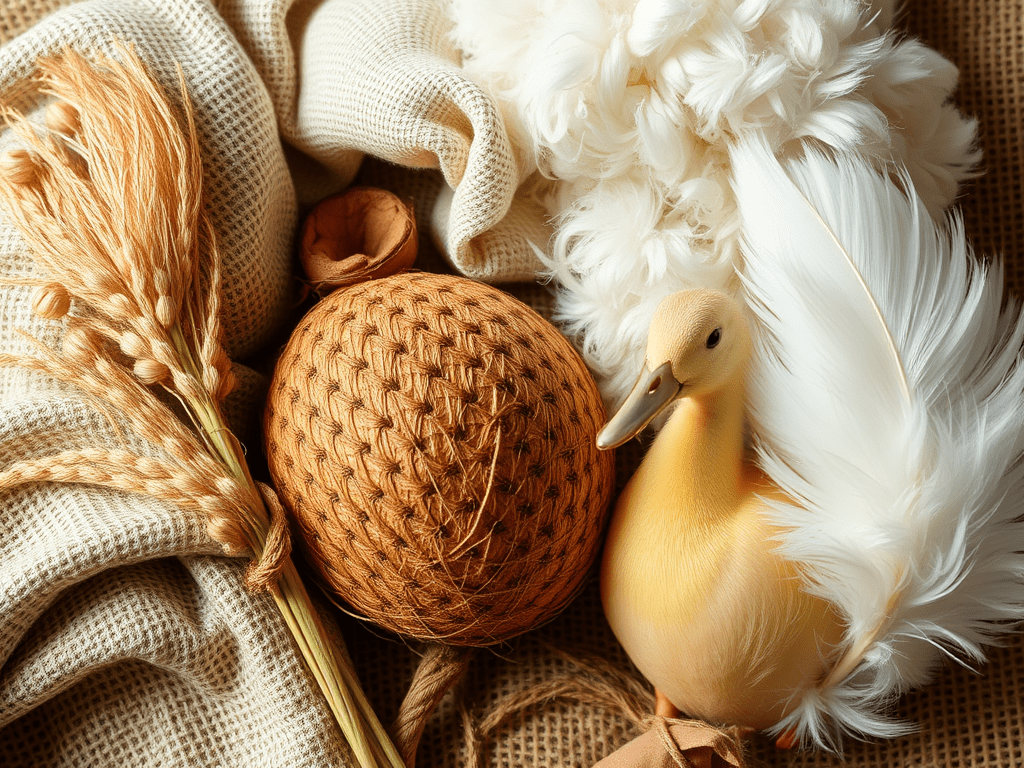
The question from the 69th BPSC Prelims (2023) focuses on matching different types of cloths and materials with their natural origins, a topic rooted in General Science and Economic Botany. This area is significant in competitive exams like BPSC, as it tests knowledge of natural resources, their sources, and their applications in textiles and industries. Understanding the origins of materials like linen, coir, mohair, and down is crucial, as these are linked to agriculture, animal husbandry, and economic activities, particularly relevant to Bihar’s agro-based economy. Below is a detailed breakdown of the question, its explanation, and related preparation strategies.
Question and Options
Question: Match List-I (Cloth) with List-II (Origin):
List-I (Cloth):
a. Linen
b. Coir
c. Mohair
d. Down
List-II (Origin):
- Coconut plant
- Flax plant
- Feathers of duck and geese
- Angora goat
Options:
(A) a-1, b-3, c-2, d-4
(B) a-4, b-3, c-1, d-2
(C) a-2, b-1, c-4, d-3
(D) a-4, b-1, c-3, d-2
Explanation
This question tests candidates’ ability to associate specific cloths and materials with their natural sources, a key topic in the BPSC syllabus under General Science and Economic Botany. Each cloth/material in List-I is derived from a unique biological source in List-II, requiring precise knowledge of their origins.
- Linen (a): A fine textile made from the fibers of the flax plant (Linum usitatissimum). It is known for its durability and use in clothing, bed sheets, and tablecloths. Flax has been cultivated since ancient times, notably in Egypt, for textile production.
- Coir (b): A coarse fiber extracted from the husk of the coconut plant (Cocos nucifera). It is used in mats, ropes, and mattresses due to its strength and water resistance. Coir is economically significant in tropical regions like India, especially in states like Kerala.
- Mohair (c): A silky fiber from the hair of the Angora goat. It is prized for its luster and softness, used in high-quality clothing and upholstery. Mohair is distinct from angora (from Angora rabbits) and wool (from sheep).
- Down (d): The soft, fine under-feathers of ducks and geese, used for insulation in jackets, pillows, and quilts due to its warmth and lightweight properties.
Option Analysis:
- Option (A): a-1 (Linen-Coconut plant), b-3 (Coir-Feathers), c-2 (Mohair-Flax plant), d-4 (Down-Angora goat). Incorrect, as none of the matches align with the correct origins.
- Option (B): a-4 (Linen-Angora goat), b-3 (Coir-Feathers), c-1 (Mohair-Coconut plant), d-2 (Down-Flax plant). Incorrect, as all pairings are wrong.
- Option (C): a-2 (Linen-Flax plant), b-1 (Coir-Coconut plant), c-4 (Mohair-Angora goat), d-3 (Down-Feathers). Correct, as all matches are accurate.
- Option (D): a-4 (Linen-Angora goat), b-1 (Coir-Coconut plant), c-3 (Mohair-Feathers), d-2 (Down-Flax plant). Incorrect, as only coir is correctly matched.
Key Misconceptions:
- Candidates might confuse mohair (Angora goat) with angora (Angora rabbit) or wool (sheep).
- Coir’s coconut origin might be mistaken for other plant fibers like jute.
- Down’s specific association with duck and geese feathers (not general feathers) could lead to errors.
Correct Answer
Correct Answer: (C) a-2, b-1, c-4, d-3
- a. Linen → 2. Flax plant
- b. Coir → 1. Coconut plant
- c. Mohair → 4. Angora goat
- d. Down → 3. Feathers of duck and geese
5 Probable Questions of Similar Difficulty
- Question: Match the following fibers with their plant sources:
List-I (Fiber): a. Jute, b. Sisal, c. Cotton, d. Hemp
List-II (Plant): 1. Cannabis sativa, 2. Corchorus capsularis, 3. Gossypium, 4. Agave sisalana
Answer: a-2, b-4, c-3, d-1
Difficulty: Moderate
Explanation: Tests knowledge of plant-based fibers, similar to coir and linen, focusing on their botanical sources. - Question: Which of the following materials is derived from the wool of the Cashmere goat?
- A) Mohair
- B) Pashmina
- C) Angora
- D) Alpaca
Answer: B) Pashmina
Difficulty: Moderate
Explanation: Differentiates animal-based fibers, akin to mohair and down, requiring precise identification.
- Question: Match the following materials with their uses:
List-I (Material): a. Coir, b. Linen, c. Down, d. Silk
List-II (Use): 1. Insulating material in quilts, 2. Ropes and mats, 3. Fine clothing and sheets, 4. Luxurious fabrics
Answer: a-2, b-3, c-1, d-4
Difficulty: Moderate
Explanation: Extends the cloth-origin concept to applications, relevant to economic botany and resource use. - Question: Which of the following plants is the primary source of a fiber used in high-quality paper and textiles?
- A) Coconut plant
- B) Flax plant
- C) Jute plant
- D) Bamboo
Answer: B) Flax plant
Difficulty: Hard
Explanation: Tests specific knowledge of flax’s dual use in textiles (linen) and paper, distinguishing it from other plant fibers.
- Question: Which of the following animal-based fibers is NOT derived from goats?
- A) Mohair
- B) Cashmere
- C) Down
- D) Pashmina
Answer: C) Down
Difficulty: Hard
Explanation: Requires precise differentiation of animal fiber sources, similar to the mohair and down distinction in the original question.
Key Words Explained in Short
- Linen: Fine textile from flax plant fibers, used in clothing and sheets, known for durability.
- Coir: Coarse fiber from coconut husks, used in ropes, mats, and mattresses, significant in tropical agriculture.
- Mohair: Silky fiber from Angora goat hair, used in luxury clothing and upholstery, distinct from angora (rabbit).
- Down: Soft under-feathers of ducks and geese, used for insulation in quilts and jackets.
- Flax plant: Linum usitatissimum, source of linen, cultivated for fibers and seeds (linseed oil).
- Coconut plant: Cocos nucifera, yields coir from husks, vital for agro-based industries.
- Angora goat: Breed producing mohair, known for lustrous wool, distinct from other goat fibers like cashmere.
- Feathers of duck and geese: Source of down, valued for thermal insulation in cold-weather products.
Follow Crack Target on Various Social Media
To stay updated with the latest BPSC exam trends, study materials, and practice questions, follow Crack Target on various social media platforms:
- YouTube: For video lectures on General Science, Economic Botany, and BPSC-specific topics.
- Telegram: For daily current affairs, quizzes, and quick updates on syllabus topics.
- Instagram/Facebook: For tips, infographics, and revision notes on key areas like natural resources.
- Website: Access mock tests, previous year question papers (e.g., 69th BPSC Prelims), and detailed study materials.
Join the Dedicated Sections of Your BPSC Exams for More
Join the dedicated BPSC sections on platforms like Crack Target to enhance your preparation:
- Comprehensive Notes: Access detailed notes on General Science, including topics like textile materials, agriculture, and economic botany, tailored to the BPSC syllabus.
- Mock Tests: Practice matching-type questions and other formats seen in the 69th BPSC Prelims, improving accuracy and time management (150 questions in 2 hours with 1/3rd negative marking).
- Bihar-Specific Content: Learn about agro-based resources like coir, relevant to Bihar’s economy, ensuring readiness for regional questions.
- Current Affairs Updates: Stay informed on resource-based topics and their economic significance, crucial for both Prelims and Mains.
- Expert Guidance: Benefit from doubt-clearing sessions and strategies to tackle moderate-to-hard questions like this one.
By engaging with Crack Target’s resources, you can master interdisciplinary topics, practice exam-relevant questions, and boost your chances of success in the BPSC exam.

Leave a comment