
Day: June 2, 2025
-
Current Affairs: 2 June 2025
26,456 views
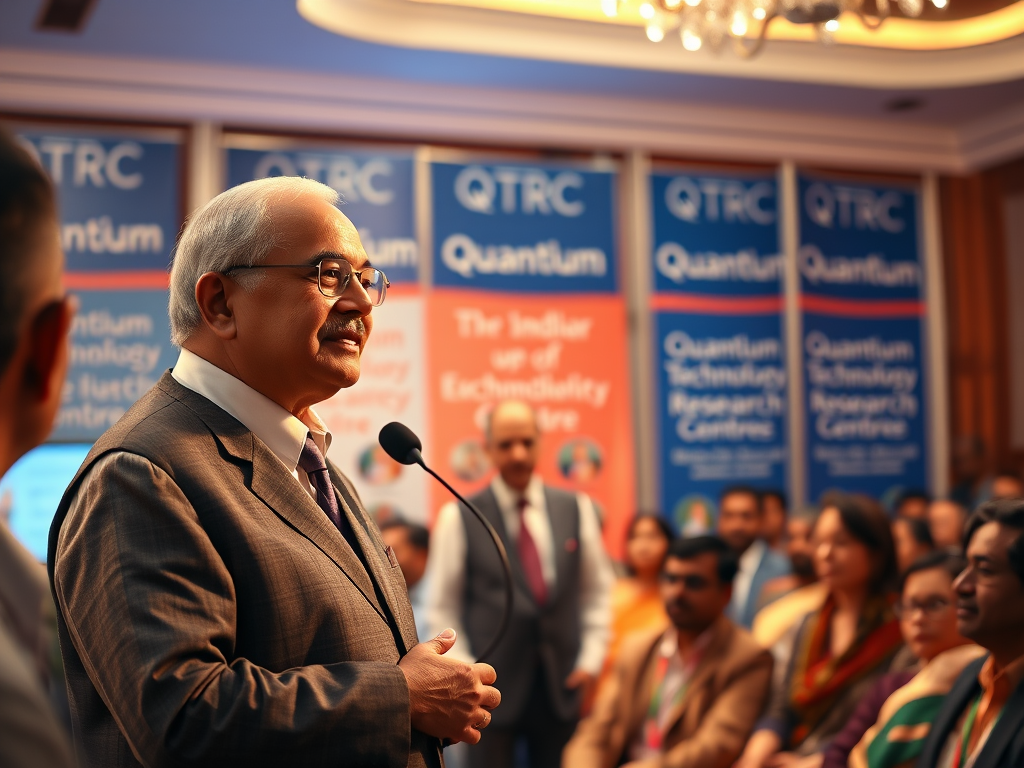
On June 2, 2025, key events included the inauguration of DRDO’s Quantum Technology Research Centre, boosting India’s defense capabilities, and diplomatic efforts post-Operation Sindoor to garner international support. India also reported a retail inflation rate of 3.16%, enhancing consumer confidence, while foreign investments in equities surged.
-
Study Material: Mauryan Empire – Chandragupta Maurya (c. 321–297 BCE)
26,456 views
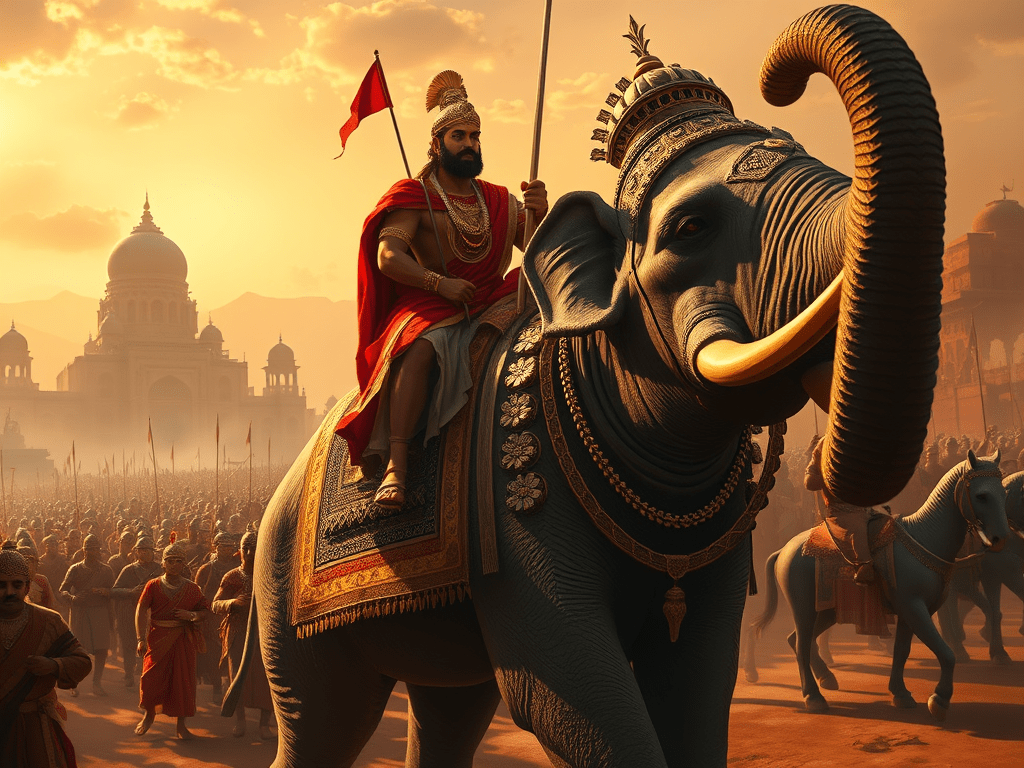
Chandragupta Maurya was the founder of the Mauryan Empire, one of the largest and most influential empires in ancient Indian history. Rising from humble origins, he overthrew the Nanda Dynasty with the guidance of his mentor Chanakya (Kautilya) and established a centralized empire that unified much of the Indian subcontinent. Centered in Pataliputra (modern Patna,…
-
Study Material: Nanda Dynasty (c. 345–321 BCE)
26,456 views
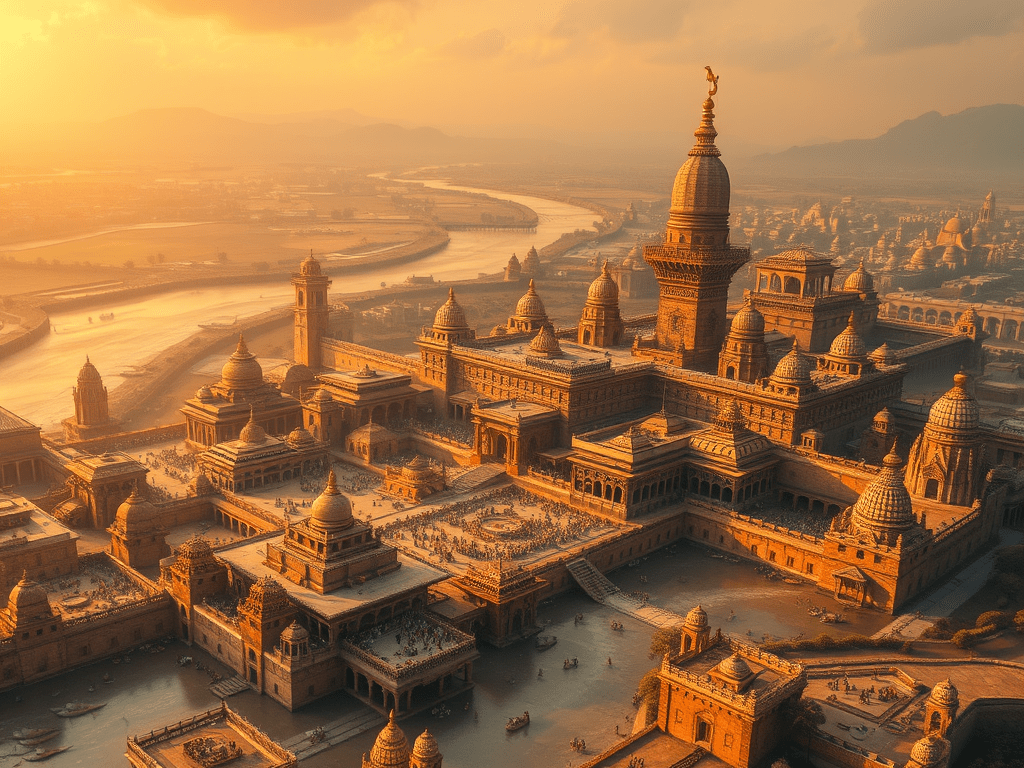
The Nanda Dynasty was a pivotal ruling house of the Magadha kingdom in ancient India, succeeding the Haryanka and Shishunaga dynasties. Known for its immense wealth, vast military might, and centralized administration, the Nanda Dynasty transformed Magadha into a dominant power, laying the foundation for the subsequent Mauryan Empire. Based in Pataliputra (modern Patna, Bihar),…
-
Study Material: Social Structure of the Vedic Period (c. 1500–500 BCE)
26,456 views
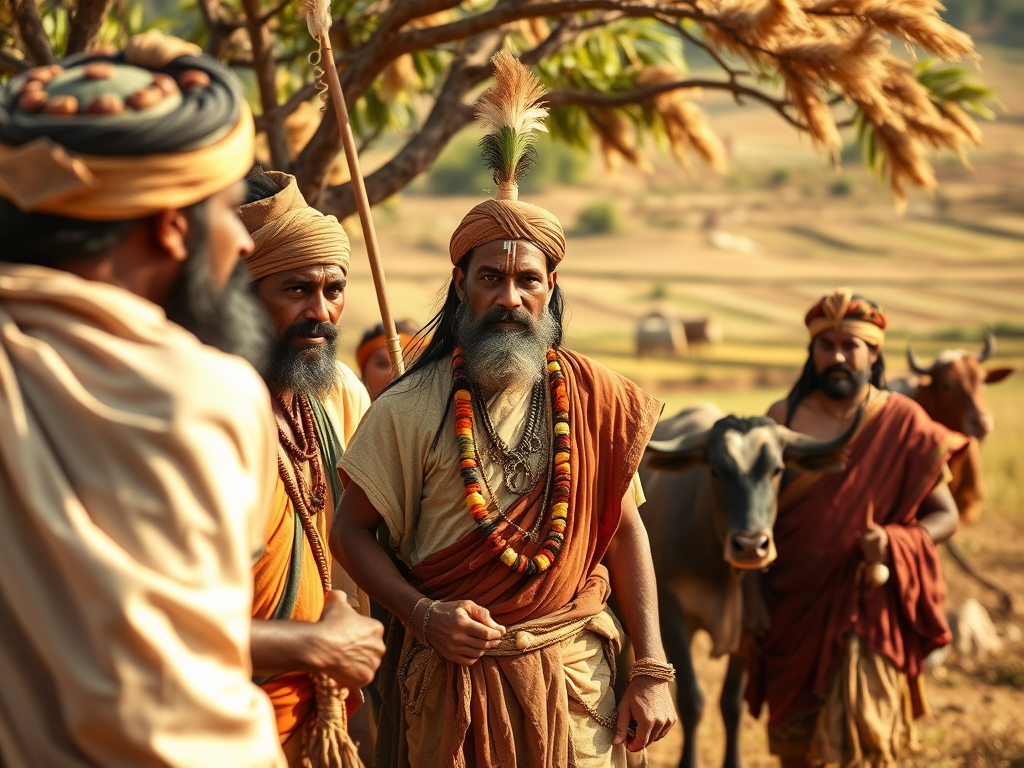
The Vedic period, spanning approximately from 1500 to 500 BCE, encompasses the Early Vedic period (c. 1500–1000 BCE, reflected in the Rigveda) and the Later Vedic period (c. 1000–500 BCE, seen in the Yajurveda, Samaveda, Atharvaveda, Brahmanas, Aranyakas, and early Upanishads). The social structure of this period evolved significantly, transitioning from a relatively flexible, tribal…
-
Study Material: Haryanka Dynasty (c. 544–413 BCE)
26,456 views
The Haryanka Dynasty, the first recorded rulers of ancient Magadha (c. 600–321 BCE), established political and military dominance in northern India. Notable leaders Bimbisara, Ajatashatru, and Udayin transformed the region through expansion, administrative innovations, and religious patronage, particularly of Buddhism and Jainism, paving the way for future empires.
-

Study Material: Panchala (c. 1100–321 BCE)
26,456 views
Panchala was a significant kingdom in ancient India, evolving from a Vedic tribal confederacy into one of the sixteen Mahajanapadas during the Iron Age (c. 6th century BCE). Located in the fertile Ganges-Yamuna Doab region, primarily in modern-day western Uttar Pradesh, Panchala was a key center of Vedic culture, intellectual development, and political activity. Renowned…
-
Study Material: Kuru (c. 1200–321 BCE)
26,456 views
The Kuru kingdom was a prominent political and cultural entity in ancient India, evolving from a Vedic tribal confederacy into one of the sixteen Mahajanapadas during the Iron Age (c. 6th century BCE). Located in the northwestern plains of the Indian subcontinent, primarily in modern-day Haryana, Delhi, and western Uttar Pradesh, Kuru played a pivotal…
-
Study Material: Gandhara (c. 1500 BCE–11th Century CE)
26,456 views
Gandhara was an ancient region and Mahajanapada in the northwestern Indian subcontinent, encompassing parts of modern-day northern Pakistan and eastern Afghanistan. Renowned for its strategic location, cultural synthesis, and contributions to art, religion, and learning, Gandhara played a pivotal role in ancient Indian and global history. This study material explores Gandhara’s historical context, political evolution,…
-

Study Material: Mahajanapadas and Republics (c. 600–321 BCE)
26,456 views
The period of the Mahajanapadas (c. 600–321 BCE) marks a significant phase in ancient Indian history, characterized by the emergence of large territorial states and early republics. This era, following the Later Vedic period, saw urbanization, economic growth, and political consolidation in the Indian subcontinent, particularly in the Gangetic plains. The Mahajanapadas and republics laid…
-

Later Vedic Society (c. 1000–500 BCE)
26,456 views
The Later Vedic period, spanning roughly from 1000 to 500 BCE, marks the evolution of Vedic civilization in ancient India following the Rigvedic period (c. 1500–1000 BCE). This phase, reflected in texts like the Yajurveda, Samaveda, Atharvaveda, Brahmanas, Aranyakas, and early Upanishads, reveals significant transformations in social, economic, political, cultural, and religious structures. Below is…
