
Day: June 3, 2025
-

Current Affairs for Competitive Exams – 3rd June 2025
26,456 views
Welcome to CrackTarget.com’s Daily Current Affairs for 3rd June 2025! Stay updated with the latest national and international events to ace your competitive exams like UPSC, SSC, Banking, NDA, CDS, and more. Our curated updates provide concise, exam-focused insights to boost your General Knowledge and help you stay ahead. Let’s dive into today’s top headlines!…
-
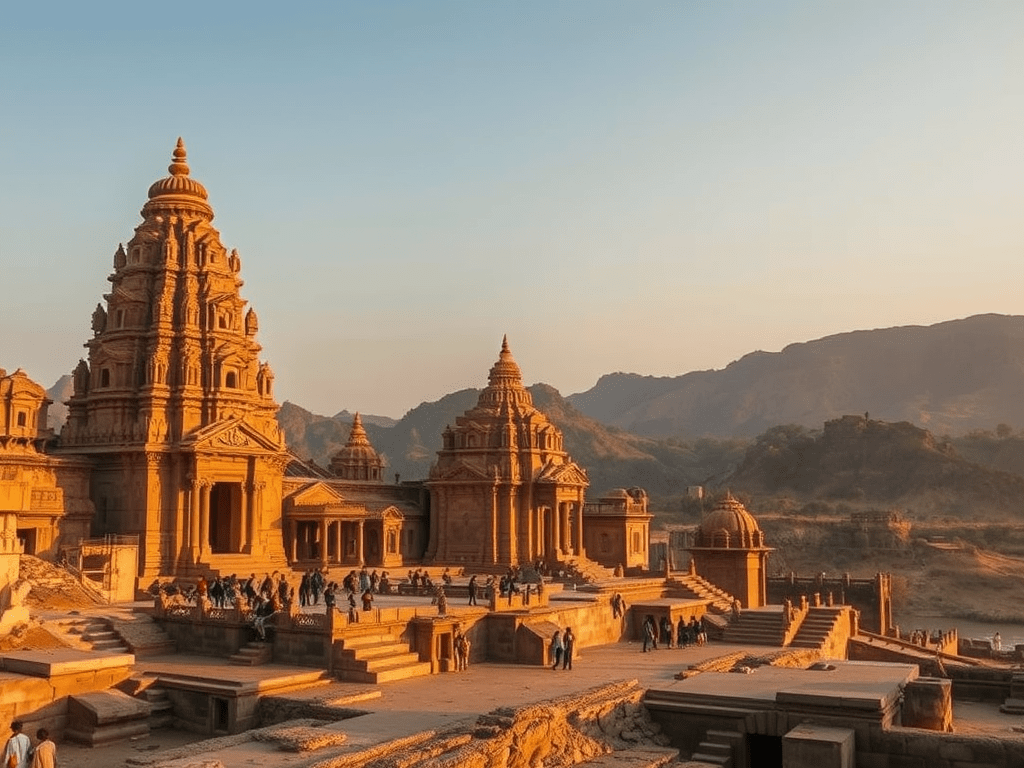
Hampi: The Capital of the Vijayanagara Empire (UPSC/BPSC Prelims & Mains)
26,456 views
OverviewHampi, located on the banks of the Tungabhadra River in Karnataka, was the capital of the Vijayanagara Empire (1336–1646 CE). Renowned for its strategic location, architectural grandeur, and economic prosperity, it was one of the richest and largest cities of its time, described by foreign travelers like Domingo Paes, Abdur Razzaq, and Nicolo Conti as…
-
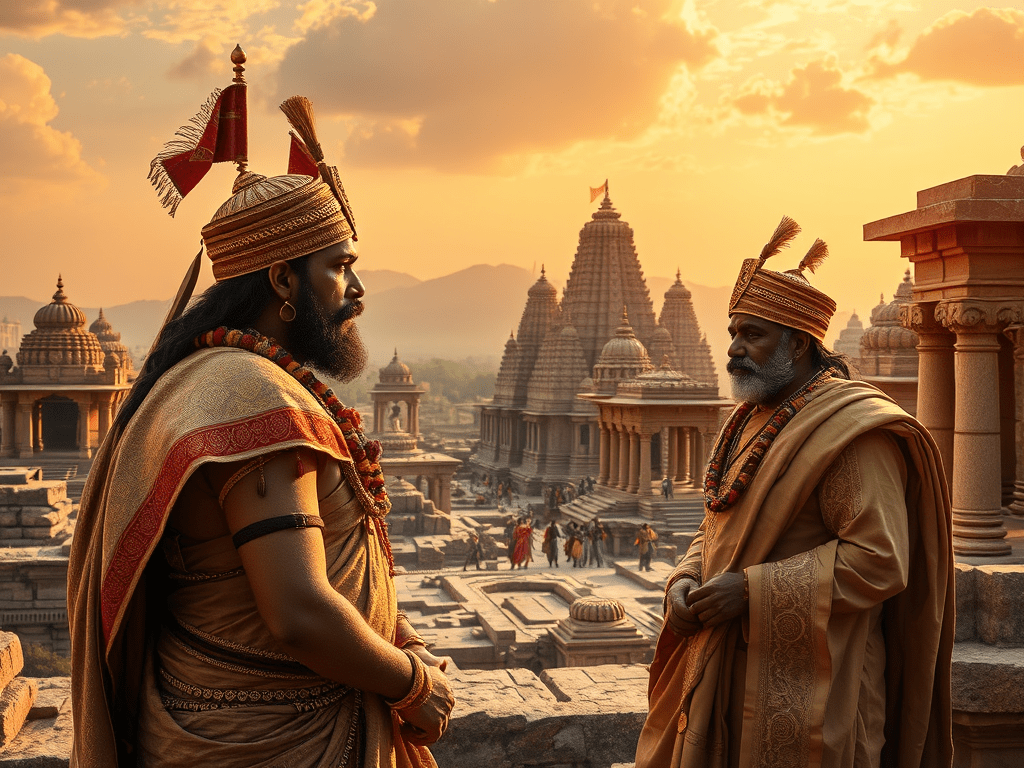
Vijayanagara Empire (1336–1646 CE): Administration, Culture, and Legacy
26,456 views
OverviewThe Vijayanagara Empire (1336–1646 CE), founded by Harihara I and Bukka I, was a prominent South Indian Hindu empire based in Hampi (Karnataka). Established to counter Islamic invasions (e.g., Delhi Sultanate, Bahmani Sultanate), it became a bastion of Hindu culture, economic prosperity, and Dravidian architecture. Known for its military strength, maritime trade, and patronage of…
-
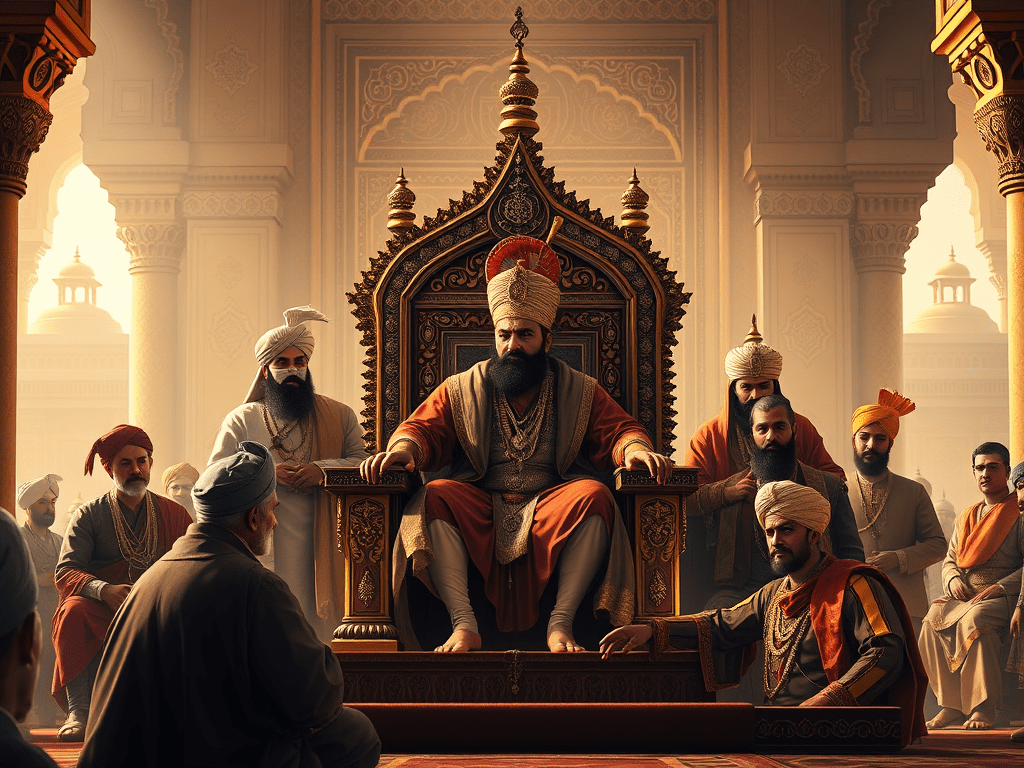
Administration of the Delhi Sultanate (1206–1526 CE)
26,456 views
Overview The Delhi Sultanate (1206–1526 CE), comprising the Slave (1206–1290 CE), Khalji (1290–1320 CE), Tughlaq (1320–1414 CE), Sayyid (1414–1451 CE), and Lodi (1451–1526 CE) dynasties, established a centralized Islamic administration in northern India, blending Persian, Turkish, and Indian elements. Its administrative system evolved from the Mamluk period’s rudimentary structure to a sophisticated framework under the…
-
Tughlaq Dynasty (1320–1414 CE): Summary
26,456 views
OverviewThe Tughlaq Dynasty, the third dynasty of the Delhi Sultanate, ruled from 1320 to 1414 CE, succeeding the Khaljis. Founded by Ghiyas-ud-din Tughlaq, it saw its peak under Muhammad bin Tughlaq (ambitious but erratic) and Firoz Shah Tughlaq (stable but conservative). Known for new cities (Tughlaqabad, Jahanpanah, Firozabad), irrigation projects, and Indo-Islamic architecture, the Tughlaqs…
-
Khalji Dynasty (1290–1320 CE): Administration, Conquests, and Legacy
26,456 views
OverviewThe Khalji Dynasty (1290–1320 CE), the second dynasty of the Delhi Sultanate, was a period of aggressive expansion, administrative reforms, and cultural synthesis under rulers of Turkic-Afghan origin. Founded by Jalal-ud-din Khalji after overthrowing the Slave Dynasty, it reached its zenith under Alauddin Khalji, known for his military conquests, market reforms, and resistance to Mongol…
-
Starting of the Delhi Sultanate & Slave Dynasty (UPSC/BPSC Prelims & Mains)
26,456 views
OverviewThe Delhi Sultanate (1206–1526 CE) was a series of Muslim dynasties that ruled northern India, marking the beginning of sustained Islamic rule in the subcontinent. Established after the Second Battle of Tarain (1192 CE), it centralized power in Delhi and introduced Persianate administrative, cultural, and military systems. The Slave Dynasty (1206–1290 CE), also known as…
-
Gupta Empire: Golden Age, Art, Science, Literature (UPSC/BPSC Prelims & Mains)
26,456 views
OverviewThe Gupta Empire (circa 320–550 CE), often referred to as the Golden Age of India, was a period of remarkable achievements in art, science, literature, and governance, centered in northern India with its capital at Pataliputra (modern Patna, Bihar). Founded by Sri Gupta and consolidated by rulers like Chandragupta I, Samudragupta, and Chandragupta II, the…
-
South Indian Kingdoms Governance: Cholas, Cheras,and Pandyas
26,456 views
OverviewThe Cholas, Cheras, and Pandyas, collectively known as the mudi-vendar (crowned kings) of South India, were prominent Tamil dynasties that shaped the political, economic, and cultural landscape of the region from the Sangam period (3rd century BCE–3rd century CE) to the medieval era (13th–16th century CE). Centered in Tamil Nadu and Kerala, these kingdoms excelled…
-
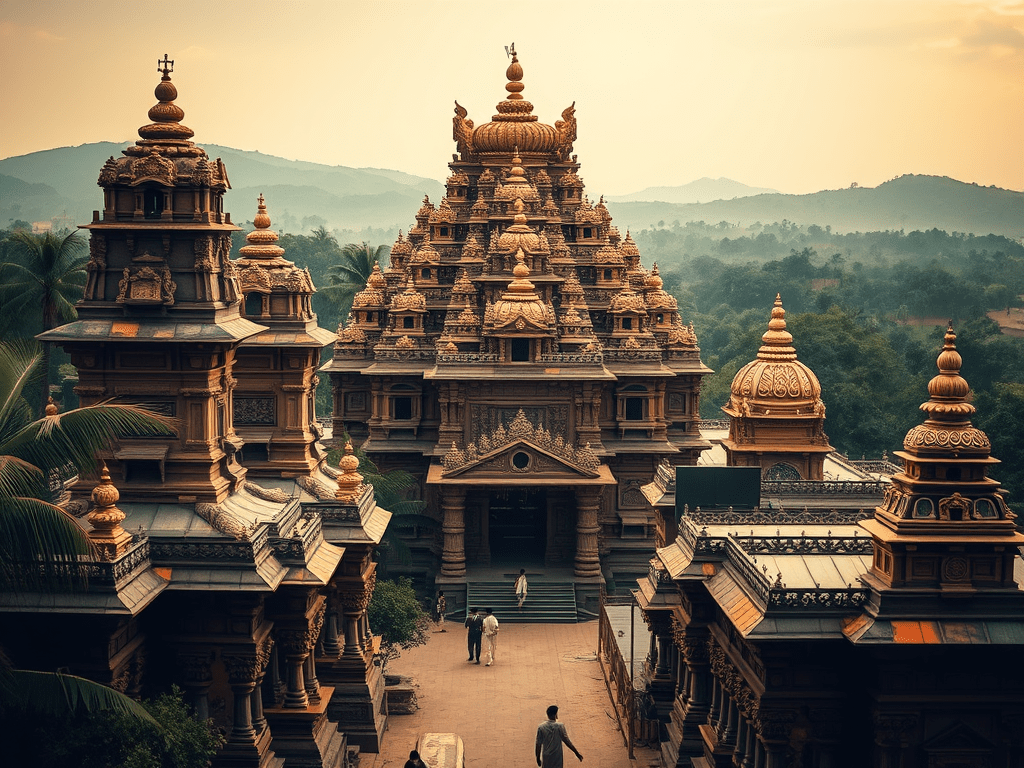
Pandyas: Administration, Culture, Art, and Legacy
26,456 views
OverviewThe Pandya dynasty, one of the three ancient Tamil kingdoms (alongside Cholas and Cheras), ruled primarily over southern Tamil Nadu, with their capital at Madurai and later Tenkaasi. Spanning from the Sangam period (3rd century BCE–3rd century CE) to the early modern era (16th century CE), the Pandyas were renowned for their maritime trade, patronage…
