
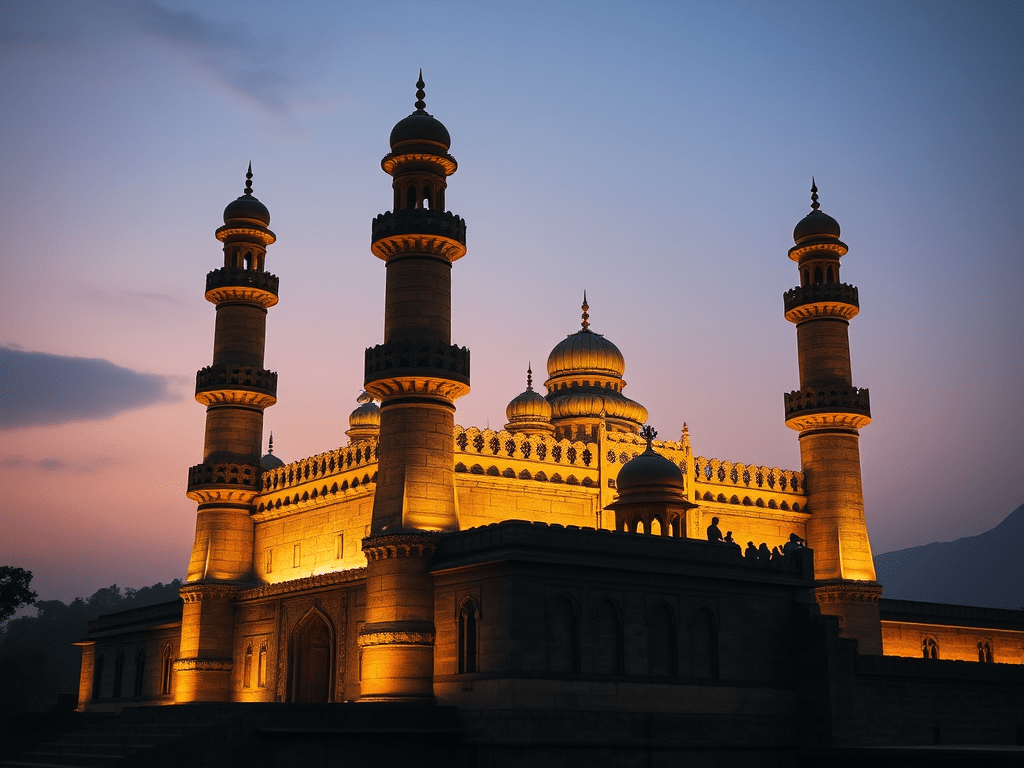
Overview
The Tughlaq Dynasty, the third dynasty of the Delhi Sultanate, ruled from 1320 to 1414 CE, succeeding the Khaljis. Founded by Ghiyas-ud-din Tughlaq, it saw its peak under Muhammad bin Tughlaq (ambitious but erratic) and Firoz Shah Tughlaq (stable but conservative). Known for new cities (Tughlaqabad, Jahanpanah, Firozabad), irrigation projects, and Indo-Islamic architecture, the Tughlaqs faced challenges from rebellions, Mongol threats, and economic missteps. For UPSC, this is critical for Medieval History (Prelims) and Indian Culture (Mains GS I). For BPSC, the dynasty’s impact on Bihar (iqta system, Jaunpur’s influence, Sufism) is significant.
1. Historical Context
- Timeline: 1320–1414 CE.
- Background: Ghiyas-ud-din Tughlaq, a Turkic noble, overthrew Khusrau Khan (Khalji usurper) in 1320 CE, stabilizing the Sultanate after Alauddin Khalji’s death.
- Key Rulers:
- Ghiyas-ud-din Tughlaq (1320–1325 CE): Founder, built Tughlaqabad.
- Muhammad bin Tughlaq (1325–1351 CE): Visionary but controversial.
- Firoz Shah Tughlaq (1351–1388 CE): Welfare-focused, orthodox.
- Geographical Extent: At peak (Muhammad), included North India, Deccan (Daulatabad), and parts of South India; later shrank under Firoz.
- Decline: Timur’s invasion (1398 CE) and weak successors led to the Sayyid Dynasty (1414 CE).
- Sources:
- Chronicles: Tarikh-i-Firoz Shahi (Ziauddin Barani, Shams-i-Siraj Afif).
- Travelogues: Ibn Battuta (Rihla, 1333–1347 CE).
- Inscriptions: Ashokan pillars (Firoz), Tughlaqabad.
- Sites: Tughlaqabad, Firoz Shah Kotla, Jaunpur.
Details to Memorize:
- Timeline: 1320–1414 CE.
- Rulers: Ghiyas-ud-din, Muhammad, Firoz Shah.
- Decline: Timur (1398 CE).
- Sources: Barani, Ibn Battuta.
2. Key Rulers and Achievements
- Ghiyas-ud-din Tughlaq (1320–1325 CE):
- Conquests: Bengal (1324 CE), Warangal (tribute).
- Administration: Restored iqta system, lowered taxes, repaired canals.
- Architecture: Founded Tughlaqabad (Delhi’s third city), built tomb.
- Death: Died in 1325 CE (pavilion collapse, possibly by Muhammad).
- Legacy: Stabilized Sultanate.
- Muhammad bin Tughlaq (1325–1351 CE):
- Profile: Learned but impulsive, known as “Mad Monarch.”
- Conquests: Kampili (1334 CE), Madurai (1335 CE); failed Qarachil expedition.
- Reforms:
- Capital Transfer (1327 CE): Delhi to Daulatabad (Deccan); reversed due to hardship.
- Token Currency (1329–1332 CE): Bronze coins for silver tanka; failed due to counterfeiting.
- Revenue Hike: 50% kharaj in Doab, caused revolts.
- Diwan-i-amir kohi: Agriculture department, failed due to corruption.
- Challenges: Bengal rebellion (1339 CE), Bahmani Sultanate (1347 CE), famine (1335–1342 CE).
- Architecture: Founded Jahanpanah (Delhi’s fourth city), Adilabad Fort.
- Death: 1351 CE, Thatta (Sind).
- Legacy: Weakened Sultanate due to impractical policies.
- Firoz Shah Tughlaq (1351–1388 CE):
- Conquests: Bengal (1353–1359 CE), Orissa (1360 CE), Nagarkot (1365 CE).
- Administration:
- Reduced taxes, abolished 24 levies (e.g., ghari).
- Imposed jizya on Brahmins, enforced Sharia.
- Built canals (Yamuna to Hissar, Sutlej to Punjab).
- Founded diwan-i-khairat (charity), hospitals (dar-ul-shifa), karkhanas (workshops).
- Hereditary iqtas, weakened central control.
- Architecture:
- Founded Firozabad (Delhi’s fifth city), Firoz Shah Kotla.
- Built Hauz Khas, Khirki Masjid.
- Transported Ashokan pillars to Delhi.
- Cultural Patronage: Translated Sanskrit texts, patronized Barani, Afif.
- Death: 1388 CE; weak successors followed.
- Legacy: Stabilized economy, promoted welfare, but military weakened.
- Decline:
- Post-Firoz, civil wars (1394 CE) and Timur’s sacking of Delhi (1398 CE) crippled the dynasty.
- Regional powers (Jaunpur, Gujarat, Malwa) emerged.
- Ended with Nasir-ud-din Mahmud (1413 CE), succeeded by Sayyids (1414 CE).
Details to Memorize:
- Ghiyas-ud-din: Tughlaqabad, Bengal.
- Muhammad: Daulatabad, token currency, Jahanpanah.
- Firoz: Canals, Firozabad, jizya, Ashokan pillars.
- Decline: Timur (1398 CE).
3. Administration
- Central Administration:
- Sultan as divine ruler (Zill-i-Ilahi), advised by wazir.
- Departments:
- Diwan-i-wizarat: Finance.
- Diwan-i-arz: Military.
- Diwan-i-insha: Correspondence.
- Diwan-i-risalat: Religious affairs.
- Diwan-i-amir kohi (Muhammad): Agriculture.
- Diwan-i-khairat (Firoz): Charity.
- Provincial Administration:
- Iqta System:
- Muhammad: Over-expanded, led to rebellions.
- Firoz: Hereditary iqtas, reduced central control.
- Governors (wali, muqti) managed wilayats (provinces).
- Iqta System:
- Revenue System:
- Muhammad: 50% kharaj (Doab), land measurement (masahat), token currency; caused revolts.
- Firoz: Reduced kharaj, Sharia-based taxes (zakat, khums), strict jizya.
- Canals boosted agriculture (Firoz).
- Military:
- Muhammad: Large but overstretched army.
- Firoz: Relied on iqtadars, weakened standing army.
- Judicial System:
- Sharia for Muslims, customary law for Hindus.
- Firoz: Strict Sharia, banned Hindu practices (e.g., festivals).
- Qazi-ul-quzat oversaw courts.
Details to Memorize:
- Administration: Iqta, diwan-i-khairat, diwan-i-amir kohi.
- Revenue: Kharaj, jizya, token currency.
- Judiciary: Sharia, qazi-ul-quzat.
4. Bihar Connection
- Administrative Integration:
- Bihar as an iqta, governed from Lakhnauti (Bengal-Bihar) or Jaunpur.
- Muhammad’s Bengal rebellions (1339 CE) disrupted Bihar’s governance.
- Firoz appointed governors, applied revenue reforms (e.g., canals).
- Jaunpur:
- Founded by Firoz (1359 CE) as a Tughlaq province.
- Became a cultural hub (Sharqi Dynasty), influencing Bihar’s architecture (e.g., mosques) and Sufism.
- Sufi Influence:
- Sharafuddin Maneri (Maner Sharif, 13th–14th century CE) promoted Chisti Sufism, shaping Bihar’s Islamic identity.
- Firoz’s patronage of Sufis strengthened spiritual centers in Bihar.
- Cultural Shift:
- Continued decline of Buddhist institutions (post-Khalji destruction of Nalanda/Vikramshila).
- Hindu-Islamic synthesis grew, with Sufi-Bhakti interactions.
Details to Memorize:
- Bihar: Iqta, Jaunpur (1359 CE), Sharafuddin Maneri.
- Culture: Sufi-Bhakti synthesis.
5. Socio-Cultural and Architectural Contributions
- Architecture:
- Ghiyas-ud-din: Tughlaqabad Fort, tomb (sloping walls, rubble masonry).
- Muhammad: Jahanpanah, Adilabad Fort, Bijay Mandal.
- Firoz: Firoz Shah Kotla, Hauz Khas, Khirki Masjid, Ashokan pillars.
- Features: Functional, minimal ornamentation, Indo-Islamic (e.g., arches, Indian motifs).
- Culture:
- Literature: Barani, Afif (Tarikh-i-Firoz Shahi), Ibn Battuta (Rihla).
- Sufism: Chisti (Nizamuddin Auliya), Suhrawardi orders; syncretism with Bhakti.
- Patronage: Firoz translated Sanskrit texts (astronomy) into Persian.
- Society:
- Urbanization: Tughlaqabad, Jahanpanah, Firozabad.
- Firoz’s welfare: Hospitals, karkhanas, marriage bureau.
- Slavery persisted (bandagan in administration).
Details to Memorize:
- Architecture: Tughlaqabad, Jahanpanah, Firozabad, Ashokan pillars.
- Culture: Sufism, Barani, Ibn Battuta.
- Society: Welfare, urbanization.
6. Significance and Legacy
- Political: Expanded Sultanate (Muhammad), but rebellions and hereditary iqtas (Firoz) led to fragmentation.
- Economic: Firoz’s canals and tax relief boosted agriculture; Muhammad’s policies caused crises.
- Cultural: Tughlaq architecture and Sufism shaped Indo-Islamic identity.
- Bihar: Jaunpur and Sufi centers (Maner Sharif) enriched Bihar’s culture.
- Legacy: Canals, welfare policies influenced Mughals; Delhi’s decline enabled regional powers (Jaunpur, Gujarat).
Details to Memorize:
- Significance: Expansion, Sufism, canals.
- Bihar: Jaunpur, Sufi legacy.
- Legacy: Mughal influence, regional powers.
7. Key Memorization Points
- Timeline: 1320–1414 CE.
- Rulers: Ghiyas-ud-din (1320–1325 CE), Muhammad (1325–1351 CE), Firoz Shah (1351–1388 CE).
- Achievements:
- Ghiyas-ud-din: Tughlaqabad.
- Muhammad: Daulatabad, token currency.
- Firoz: Canals, Firozabad, jizya.
- Administration: Iqta (hereditary), diwan-i-khairat, kharaj, jizya.
- Architecture: Tughlaqabad, Jahanpanah, Firozabad, Ashokan pillars.
- Bihar: Iqta, Jaunpur (1359 CE), Sufi (Maneri).
- Decline: Timur (1398 CE), Sayyids (1414 CE).
8. Practice Questions
- Prelims (MCQ):
- Q: Who founded Tughlaqabad?
A: Ghiyas-ud-din Tughlaq. - Q: Muhammad bin Tughlaq’s token currency was made of:
A: Bronze. - Q: Firoz Shah Tughlaq transported which pillars to Delhi?
A: Ashokan pillars.
- Q: Who founded Tughlaqabad?
- Mains:
- Q: Evaluate Muhammad bin Tughlaq’s administrative experiments and their consequences. (15 marks)
- Q: Discuss Firoz Shah Tughlaq’s contributions to welfare and architecture. (10 marks)
- Q: Analyze the Tughlaq Dynasty’s impact on Bihar’s administration and culture. (10 marks)
9. Recommended Resources
- NCERT: Themes in Indian History-II (Class 12), Chapter 5.
- NIOS: Indian Culture and Heritage (Code 223).
- IGNOU: EHI-03, India from 8th to 15th Century.
- Books:
- A History of Medieval India by Satish Chandra.
- The Delhi Sultanate by Peter Jackson.
10. Why This Topic Matters
- UPSC: Key for Prelims (rulers, reforms) and Mains (governance, culture).
- BPSC: Relevant for Bihar’s iqta system, Jaunpur, and Sufi legacy.
- Memorization Value: Balances factual (rulers, policies) and analytical (reforms, decline) content.

Leave a comment