
Day: June 19, 2025
-
-
Fundamental Rights (Articles 12–35) of the Constitution of India
26,397 views
IntroductionFundamental Rights, enshrined in Part III (Articles 12–35) of the Constitution of India, are the cornerstone of Indian democracy, guaranteeing individual liberties and protecting citizens against arbitrary state actions. Inspired by the U.S. Bill of Rights, these rights are justiciable, meaning they can be enforced through courts. They aim to ensure dignity, equality, and freedom…
-
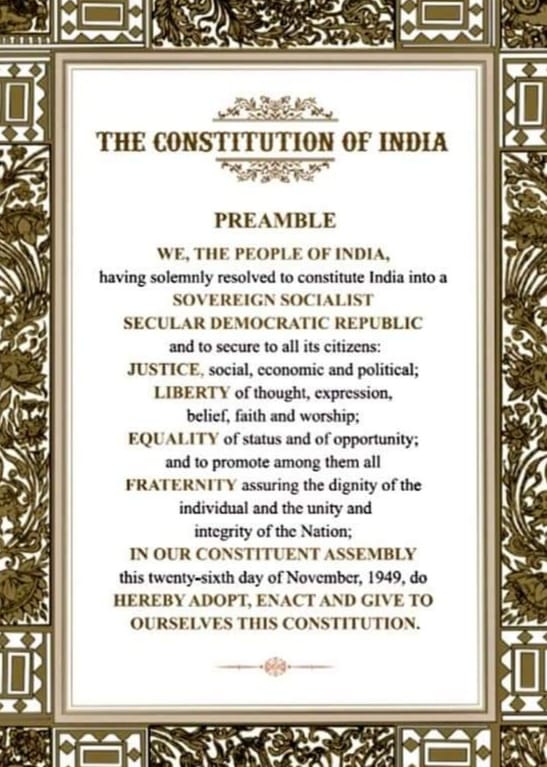
Preamble of the Constitution of India
26,397 views
Study Material The Preamble to the Constitution of India is a concise introductory statement that outlines the objectives, philosophy, and guiding principles of the Constitution. Often referred to as the “soul” or “identity card” of the Constitution, it encapsulates the vision of India’s founding fathers. This study material provides a detailed exploration of the Preamble,…
-
Amendments to the Constitution of India
26,397 views
The Constitution of India, enacted on November 26, 1949, and effective from January 26, 1950, is a living document that evolves through amendments to address changing socio-political and economic needs. The amendment process, outlined in Article 368, balances flexibility and rigidity, ensuring the Constitution remains relevant while preserving its core principles. This study material covers…
-

Sources of the Constitution of India
26,397 views
Study Materia The Constitution of India, adopted on November 26, 1949, and effective from January 26, 1950, is a comprehensive document that draws from various sources, including foreign constitutions, historical documents, and Indian legislative frameworks. Its sources reflect a blend of global constitutional principles and India’s unique socio-political context. Below is a detailed exploration of…
-
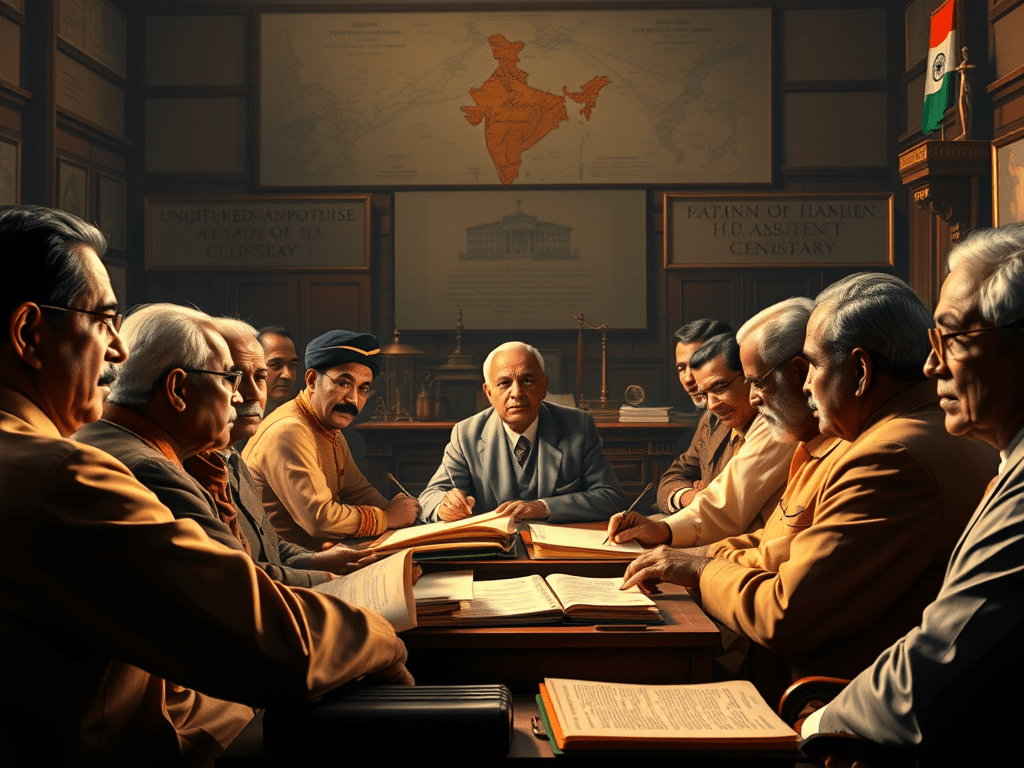
Making of the Indian Constitution: A Student-Friendly Guide (UPSC/BPSC)
26,397 views
Quick Snapshot The Indian Constitution, adopted on January 26, 1950, is the supreme law of India’s democracy. Drafted by the Constituent Assembly from 1946 to 1949, it reflects India’s vision for justice, liberty, equality, and unity amidst diversity. For UPSC, it’s essential for Polity (Prelims) and Constitutional Development (Mains GS Paper II). For BPSC, it’s…
