
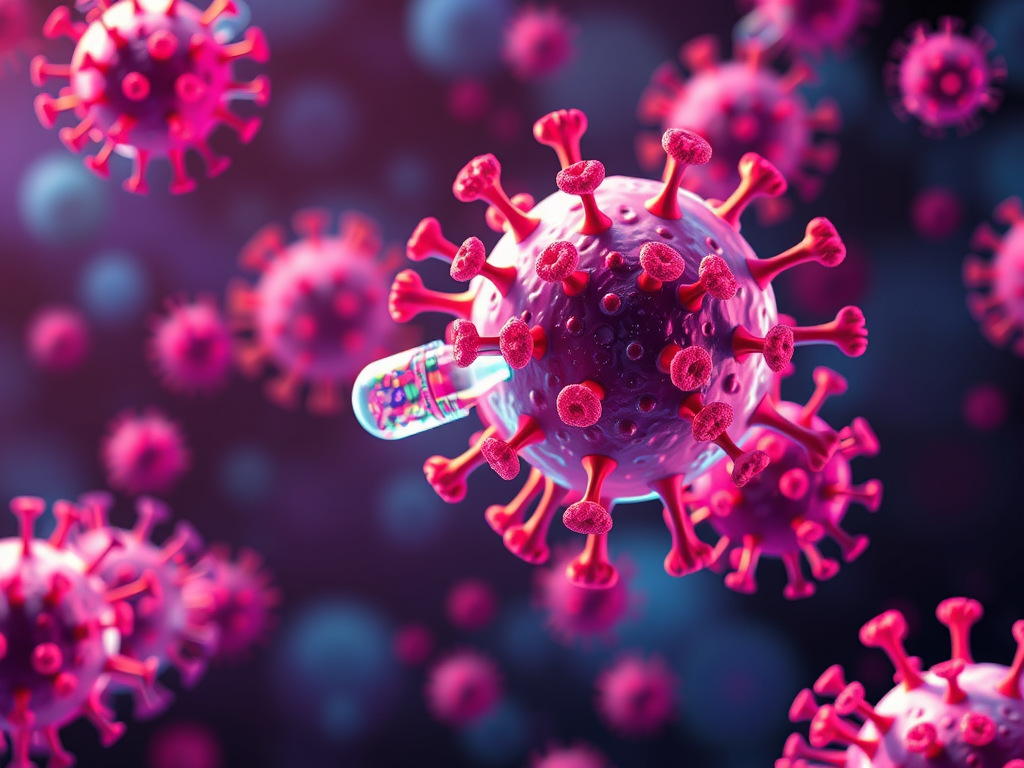
Question: How do vector vaccines work to provide immunity? (BPSC 69th Q.No. 22)
(A) By introducing a weakened or inactivated virus into the body
(B) By directly attacking and destroying pathogens in the body
(C) By placing the virus in a modified version of a different virus
(D) By entering directly into the cells and enabling them to create spike proteins
Correct Answer: (C) By placing the virus in a modified version of a different virus Explanation in Simple Sentences:
- Option (A): Weakened or inactivated viruses are used in traditional vaccines, like polio or measles vaccines. Vector vaccines don’t use the actual target virus; they use a harmless virus to carry genetic material. This is incorrect.
- Option (B): Vaccines don’t directly attack pathogens. They train the immune system to recognize and fight pathogens later. This is incorrect.
- Option (C): Vector vaccines use a harmless virus (the vector, like adenovirus) to carry a piece of genetic code from the target virus (e.g., SARS-CoV-2). The vector delivers this code to cells, which produce a viral protein (like the spike protein) to trigger an immune response. This is correct.
- Option (D): This describes part of the process but is incomplete. Vector vaccines don’t enter cells directly; the vector virus carries the genetic material into cells to make spike proteins. This is partially correct but not the full mechanism, so it’s incorrect.
Reason: Vector vaccines work by using a modified, harmless virus (vector) to deliver genetic instructions from the target virus into human cells. These cells produce a viral protein, triggering the immune system to build immunity without causing disease. Option (C) best describes this process.
Key Terms Explained:
- Vector Vaccine: A vaccine that uses a harmless virus (vector) to deliver genetic material from a pathogen to stimulate immunity. Example: AstraZeneca’s COVID-19 vaccine uses an adenovirus vector.
- Immunity: The body’s ability to fight off a specific pathogen by recognizing it and responding with antibodies or immune cells.
- Virus: A microscopic infectious agent that replicates inside host cells. In vector vaccines, the target virus’s genetic code (not the whole virus) is used.
- Vector: A modified, harmless virus (e.g., adenovirus) that carries genetic material into cells without causing disease.
- Genetic Material: DNA or RNA that codes for a specific protein, like the spike protein of SARS-CoV-2, which triggers an immune response.
- Spike Protein: A surface protein on some viruses (e.g., SARS-CoV-2) that the immune system recognizes. Vector vaccines instruct cells to produce this protein to train the immune system.
- Immune Response: The body’s reaction to a foreign substance, involving antibodies and immune cells (like T-cells) to fight infection.
- Antibodies: Proteins produced by the immune system to neutralize specific pathogens.
How Vector Vaccines Work (Detailed):
- A harmless virus (vector, e.g., adenovirus) is modified to carry a gene from the target virus (e.g., SARS-CoV-2 spike protein gene).
- The vector enters human cells and delivers the gene.
- Cells use the gene to produce the viral protein (e.g., spike protein).
- The immune system recognizes the protein as foreign, producing antibodies and T-cells.
- This trains the immune system to recognize and fight the real virus if exposed later, providing immunity without causing illness.
Five Probable Questions of Similar Difficulty
- Question: What is the role of the vector in a vector vaccine?
(A) Directly destroys the pathogen
(B) Carries genetic material into cells
(C) Weakens the target virus
(D) Produces antibodies
Answer: (B) Carries genetic material into cells
Explanation: The vector (e.g., adenovirus) delivers the target virus’s genetic code into cells to trigger an immune response. - Question: Which component of a virus is commonly used in vector vaccines to stimulate immunity?
(A) Entire virus
(B) Spike protein gene
(C) Virus capsule
(D) Whole pathogen
Answer: (B) Spike protein gene
Explanation: Vector vaccines carry the gene for a viral protein (like the spike protein) to make cells produce it and trigger immunity. - Question: How do vector vaccines differ from mRNA vaccines?
(A) Use a live virus
(B) Use a vector to deliver genetic material
(C) Contain inactivated virus
(D) Directly produce antibodies
Answer: (B) Use a vector to deliver genetic material
Explanation: Vector vaccines use a harmless virus to deliver DNA, while mRNA vaccines deliver RNA directly to cells. - Question: What does the immune system produce in response to a vector vaccine?
(A) New viruses
(B) Antibodies and T-cells
(C) Weakened pathogens
(D) More vectors
Answer: (B) Antibodies and T-cells
Explanation: The immune system produces antibodies and T-cells to recognize the viral protein made by cells. - Question: Why don’t vector vaccines cause the disease they protect against?
(A) They use the whole virus
(B) They use a harmless vector
(C) They contain inactivated virus
(D) They block immune responses
Answer: (B) They use a harmless vector
Explanation: The vector is modified to be harmless and only carries a gene, not the disease-causing virus.
Preparation Strategies for 71st BPSC Prelims
- Study vaccine types (vector, mRNA, inactivated) and their mechanisms.
- Understand key terms like vector, immunity, and spike protein.
- Practice questions on how vaccines stimulate the immune system.
- Review examples like AstraZeneca or Johnson & Johnson’s COVID-19 vaccines.
- Avoid confusing vector vaccines with traditional (inactivated) or mRNA vaccines.

Leave a comment