
Category: upsc
-

Starting of the Delhi Sultanate & Slave Dynasty
75,088 views
Imperial Archives • Birth of Delhi Sultanate: Slave Dynasty (1206–1290) | CrackTarget UPSC BPSC CT CrackTarget UPSC • BPSC • REGULATORY History Hub Medieval India PREMIUM MODULE Study Progress 68% Print / PDF Save to Notes Updated for UPSC 2026 & BPSC 70th VERIFIED THE BIRTH OFTHE DELHI SULTANATE Slave Dynasty • Mamluk Era (1206–1290…
-
Gupta Empire: Golden Age, Art, Science, Literature
75,088 views
Gupta Empire: India’s Golden Age | Art • Science • Literature | UPSC BPSC Premium Notes | CrackTarget CT CrackTarget UPSC • BPSC • Regulatory Overview Rulers Golden Age Art & Architecture Science Literature Exam Focus Join Telegram Download PDF ANCIENT INDIA • UPSC GS-1 • BPSC GUPTA EMPIRE THE GOLDEN AGE of India Art…
-
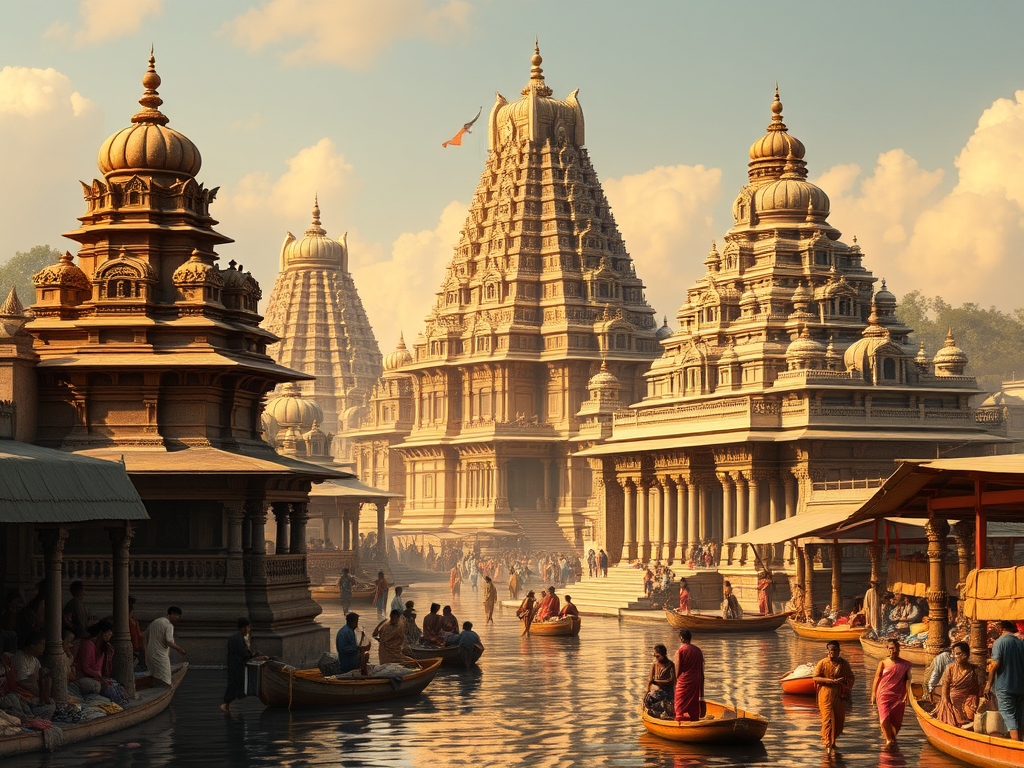
South Indian Kingdoms Governance: Cholas, Cheras,and Pandyas
75,088 views
OverviewThe Cholas, Cheras, and Pandyas, collectively known as the mudi-vendar (crowned kings) of South India, were prominent Tamil dynasties that shaped the political, economic, and cultural landscape of the region from the Sangam period (3rd century BCE–3rd century CE) to the medieval era (13th–16th century CE). Centered in Tamil Nadu and Kerala, these kingdoms excelled…
-
Chera Dynasty: Administration, Economy, Culture, and Legacy
75,088 views
Chera Dynasty: Administration, Economy, Culture & Legacy | UPSC BPSC Notes | CrackTarget CT CrackTarget UPSC • BPSC On this page Quick Facts • c. 3rd BCE – 12th CE • Capitals: Vanchi → Mahodayapuram • Emblem: Bow & Arrow • Port: Muziris (Pattanam) • Key Text: Pathirrupattu Ancient & Medieval History • Sangam Age…
-

Cholas
75,088 views
OverviewThe Chola Empire (circa 9th–13th century CE), a prominent South Indian dynasty, is renowned for its efficient administration, maritime prowess, and monumental contributions to art and architecture, particularly Dravidian temple architecture. Centered in the Kaveri delta (modern Tamil Nadu), with key capitals at Thanjavur and Gangaikonda Cholapuram, the Cholas reached their zenith under rulers like…
-
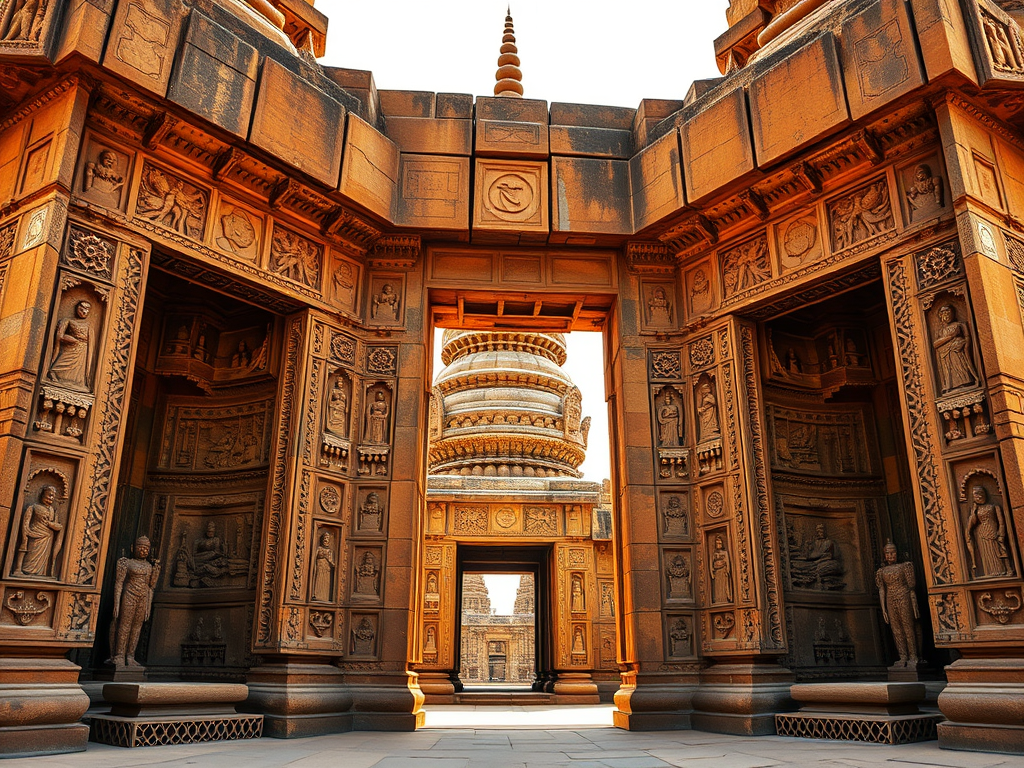
Art and Architecture of the Post-Mauryan Period (UPSC/BPSC Prelims & Mains)
75,088 views
OverviewThe Post-Mauryan period (circa 185 BCE–300 CE) followed the decline of the Mauryan Empire and was marked by the rise of regional dynasties like the Shungas, Satavahanas, Kushanas, and Indo-Greeks, alongside local powers like the Kharavela of Kalinga. This era witnessed a flourishing of art and architecture, driven by patronage of Buddhism, Jainism, and Brahmanism,…
-
Satavahanas: The Post-Mauryan Deccan Dynasty
75,088 views
Satavahanas: The Post-Mauryan Deccan Dynasty | Immersive Time Journey • CrackTarget CT CrackTarget INDIA’S #1 EXAM PREP UPSC BPSC DRDO Exam Mode Back to Hub 230 BCE — 220 CE POST-MAURYAN DECCAN SATAVAHANAS The Post-Mauryan Deccan Dynasty Step through the mists of time. Witness the rise of India’s first great indigenous empire of the Deccan.…
-
Mauryan Dhamma: Ashoka’s Philosophy
75,088 views
UPSC GS-I • BPSC • EPFO • DRDO Ashoka’s Dhamma: The Mauryan Philosophy of Ethical Governance Complete, exam-focused notes for UPSC Prelims & Mains and BPSC. Kalinga War • Edicts • Principles • Dhamma Mahamattas • Legacy + Interactive Quiz Take Interactive Quiz 30+ One-Liners 12,450+ aspirants revised this week ASHoka’S JOURNEY From Conqueror to…
-

Mauryan Dhamma: Ashoka’s Philosophy
75,088 views
Mauryan Dhamma: Ashoka’s Philosophy | CrackTarget — Immersive Time Journey CT CrackTarget INDIA’S #1 REGULATORY EXAMS PLATFORM Home UPSC BPSC DRDO Blog English हिंदी Explore All Courses Test Yourself 268 – 232 BCE • MAURYAN EMPIRE Mauryan Dhamma: Ashoka’s Philosophy Step into the Time Chariot. Witness the blood of Kalinga transform into the eternal light…
-
Ashoka: The Mauryan Emperor
75,088 views
Ashoka: The Mauryan Emperor | CrackTarget • Premium UPSC & BPSC Notes CT CrackTarget INDIA’S #1 REGULATORY & STATE PCS PLATFORM Home Exams Notes Current Affairs Mock Tests History Subscribe Join Free Home / Ancient History / Ashoka the Great UPSC GS-I • BPSC • Prelims + Mains Ashoka: The Mauryan Emperor From ruthless conqueror…
You must be logged in to post a comment.