
Tag: bpsc
-
Dalton’s Atomic Theory: A Comprehensive Study Material
26,366 views
Introduction (परिचय) Dalton’s Atomic Theory: Key Postulates (डाल्टन का परमाणु सिद्धांत: मुख्य अभिगृहीत) Dalton’s theory is based on five main postulates (assumptions). These were derived from experiments on gases and chemical combinations. Think of atoms like tiny, indivisible building blocks – like Lego pieces that make up everything around us. Here’s each postulate explained simply:…
-
Understanding Tribal Movements in India
26,366 views
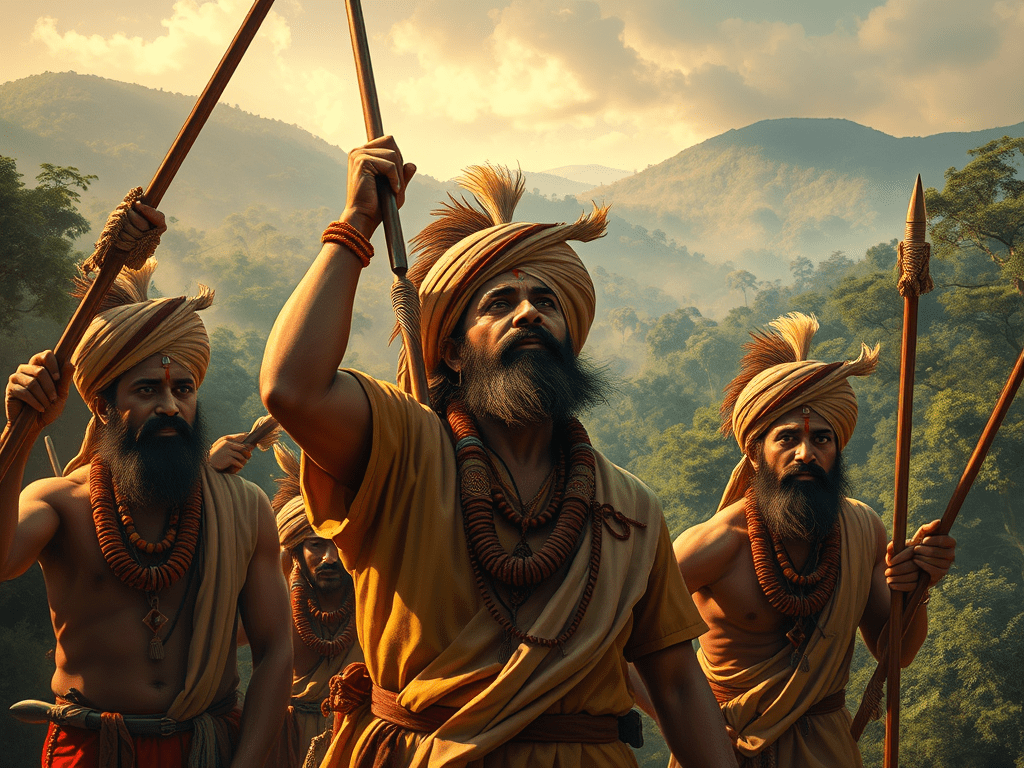
Introduction to Tribal Movements in India Tribal movements in India during the British colonial period were significant expressions of resistance against exploitation, land alienation, and cultural disruption. These movements were primarily driven by economic grievances, social oppression, and the erosion of traditional tribal systems due to British policies like the Permanent Settlement (1793) and the…
-
Comprehensive Notes on Madhubani Art and Other Arts of Bihar for UPSC and BPSC Aspirants
26,366 views
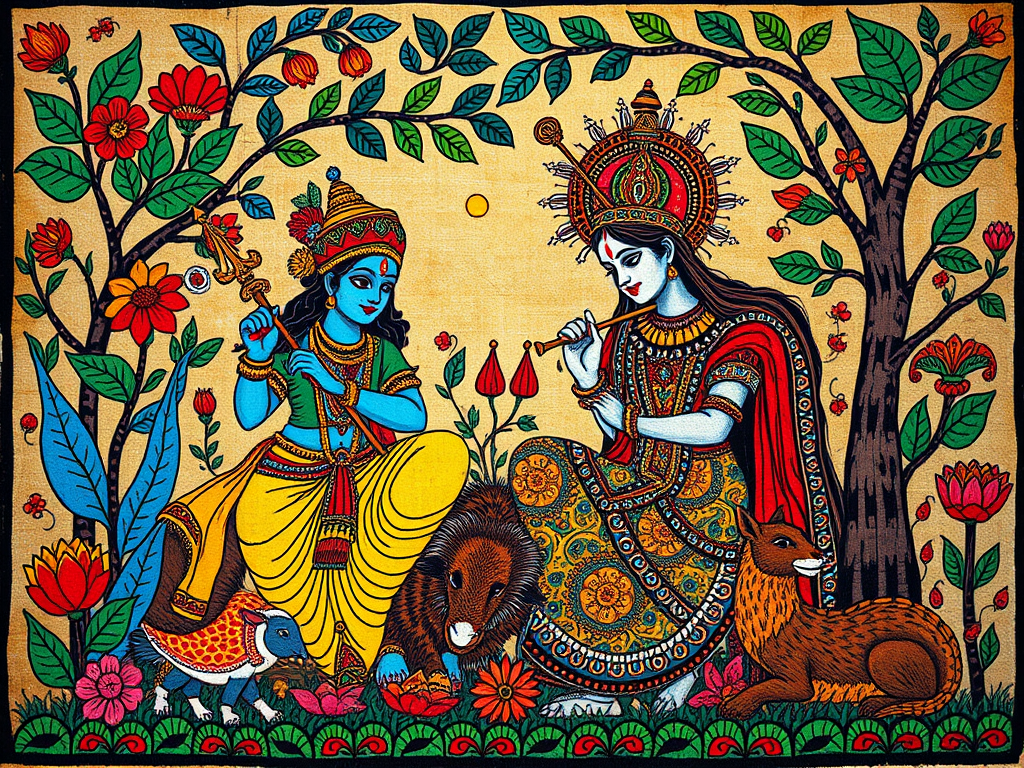
Introduction to Bihar’s Art and Culture Bihar, a state with a rich historical and cultural heritage, has contributed significantly to Indian art and culture. Its artistic traditions, deeply rooted in history, reflect the socio-cultural, religious, and mythological ethos of the region. For UPSC and BPSC aspirants, understanding Bihar’s art forms, particularly Madhubani painting, Patna Kalam,…
-

Bpsc 70th solved question re-exam
26,366 views
Q.No. & Question Options Answer Explanation Relevant Topics for Better Preparation 1. World famous painting is found in which district of Bihar? (A) Madhubani (B) Madhepura (C) Darbhanga (D) Samastipur (A) Madhubani Madhubani painting, also known as Mithila painting, is a globally recognized folk art from the Madhubani district of Bihar, characterized by intricate designs…
-
BPSC 70th 13th December Paper Solved
26,366 views
The document consists of a series of questions and answers related to various topics, including science, history, geography, and current affairs. It touches on concepts like Dalton’s atomic theory, historical rulers of Assam, acid secretion in the stomach, and significant projects such as the Chennai-Andaman and Nicobar Project. Additionally, it includes questions about the structure…
-
BPSC 67th Solved Question Paper
26,366 views
Q.No. Question Answer 1 Who established trade relations with Roman empire? (A) Cheras 2 The Muslim ruler whose empire was regarded as a part of Dar-ul-Islam was (B) Iltutmish 3 Who among the following opposed the power of the Khalifa? (A) Alauddin Khalji 4 Tughril Khan raised a standard of revolt during whose reign? (D)…
-
BPSC 69th Solved Question Paper
26,366 views
BPSC 69th Solved Question Paper Question No. & Question Summary Options Correct Answer & Explanation 1. Technologies enabled by 5G networks (IoT, Edge Computing, Network Slicing) a. 1 and 2 only b. 2 and 3 only c. 1 and 3 only d. 1, 2 and 3 d. 1, 2 and 3: 5G supports IoT with…
-
Pandyas: Administration, Culture, Art, and Legacy
26,366 views
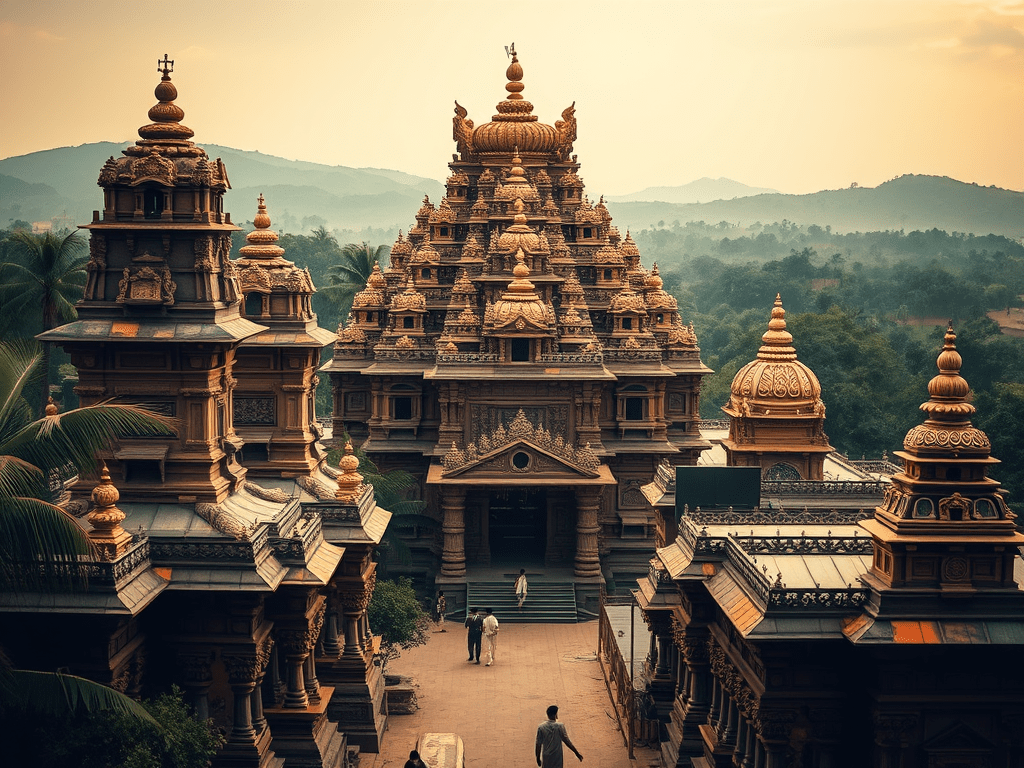
OverviewThe Pandya dynasty, one of the three ancient Tamil kingdoms (alongside Cholas and Cheras), ruled primarily over southern Tamil Nadu, with their capital at Madurai and later Tenkaasi. Spanning from the Sangam period (3rd century BCE–3rd century CE) to the early modern era (16th century CE), the Pandyas were renowned for their maritime trade, patronage…
-
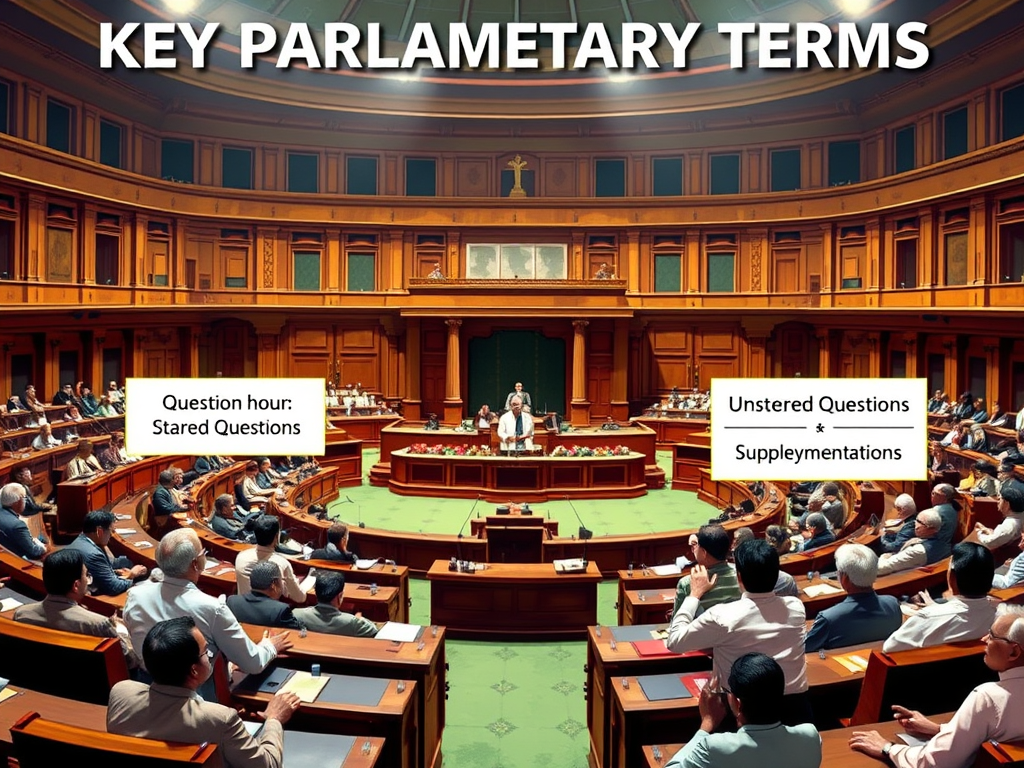
Study Note: Key Parliamentary Terms (Related to Parliamentary Questions)
26,366 views
Introduction Parliamentary questions are a cornerstone of India’s parliamentary democracy, allowing Members of Parliament (MPs) to seek information, ensure government accountability, and raise public issues during the Question Hour in the Lok Sabha and Rajya Sabha. The process involves specific terminology that governs how questions are asked, processed, and answered. For the SSA/UDC exam, the…
-
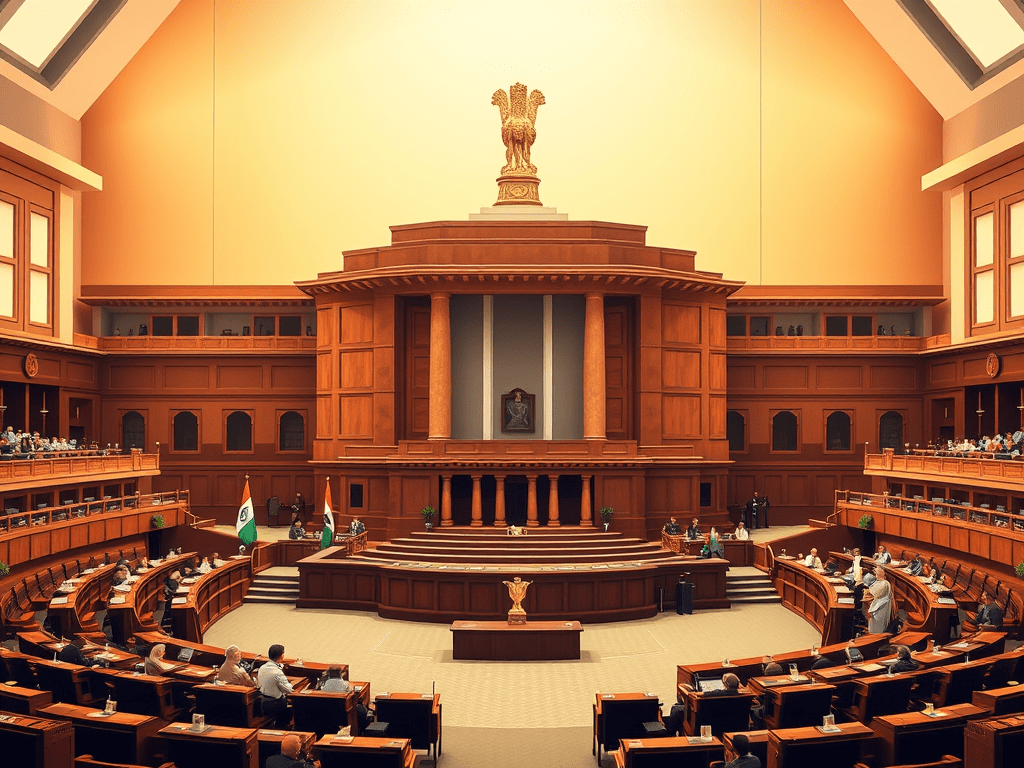
Study Note: Structure of the Indian Parliament
26,366 views
Detailed Study Note: Structure of the Indian Parliament Introduction The Indian Parliament is the supreme legislative body of India, responsible for making laws, approving budgets, and overseeing the government’s work. It is a bicameral legislature, meaning it has two houses: the Lok Sabha (House of the People) and the Rajya Sabha (Council of States). The…
