
Tag: hinduism
-
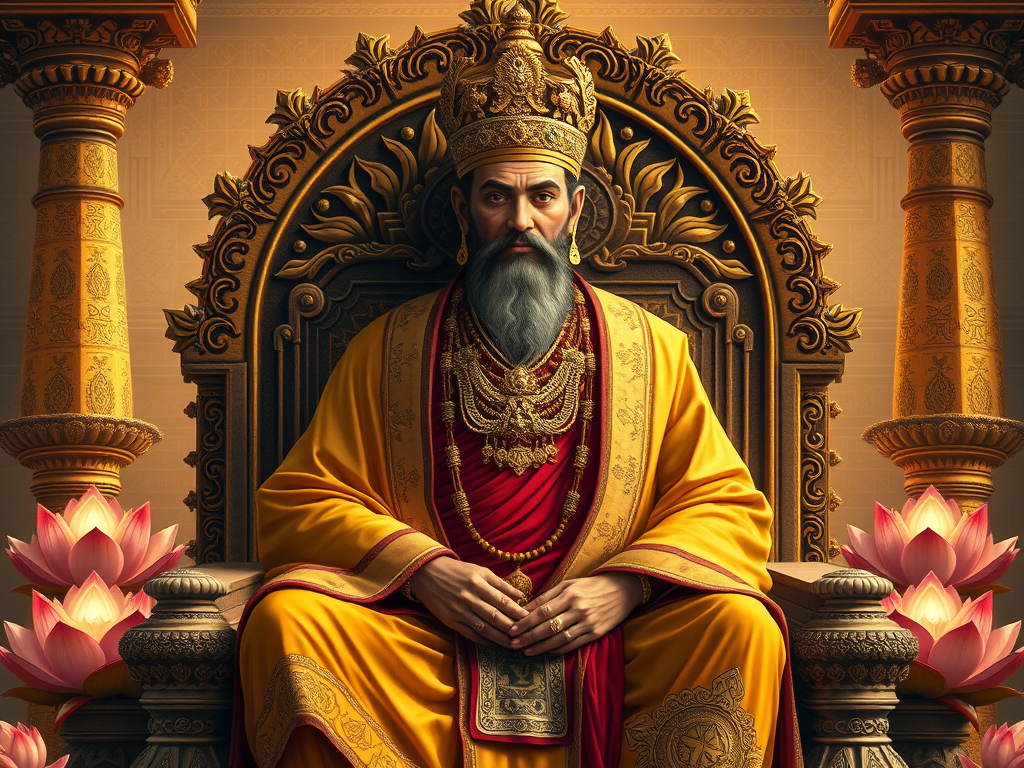
धर्मपाल (पाला वंश): विस्तृत अध्ययन सामग्री
26,422 views
Introduction (परिचय)Dharmapala (770–810 CE) was the second ruler of the Pala Dynasty, one of the most influential Buddhist dynasties in ancient India. He succeeded his father Gopala, the founder of the dynasty, and is considered the greatest ruler of the Palas. Under his reign, the Pala Empire expanded significantly, becoming a dominant power in northern…
-
South Indian Kingdoms Governance: Cholas, Cheras,and Pandyas
26,422 views
OverviewThe Cholas, Cheras, and Pandyas, collectively known as the mudi-vendar (crowned kings) of South India, were prominent Tamil dynasties that shaped the political, economic, and cultural landscape of the region from the Sangam period (3rd century BCE–3rd century CE) to the medieval era (13th–16th century CE). Centered in Tamil Nadu and Kerala, these kingdoms excelled…
-
Pandyas: Administration, Culture, Art, and Legacy
26,422 views
OverviewThe Pandya dynasty, one of the three ancient Tamil kingdoms (alongside Cholas and Cheras), ruled primarily over southern Tamil Nadu, with their capital at Madurai and later Tenkaasi. Spanning from the Sangam period (3rd century BCE–3rd century CE) to the early modern era (16th century CE), the Pandyas were renowned for their maritime trade, patronage…
-
Cholas
26,422 views
OverviewThe Chola Empire (circa 9th–13th century CE), a prominent South Indian dynasty, is renowned for its efficient administration, maritime prowess, and monumental contributions to art and architecture, particularly Dravidian temple architecture. Centered in the Kaveri delta (modern Tamil Nadu), with key capitals at Thanjavur and Gangaikonda Cholapuram, the Cholas reached their zenith under rulers like…
-
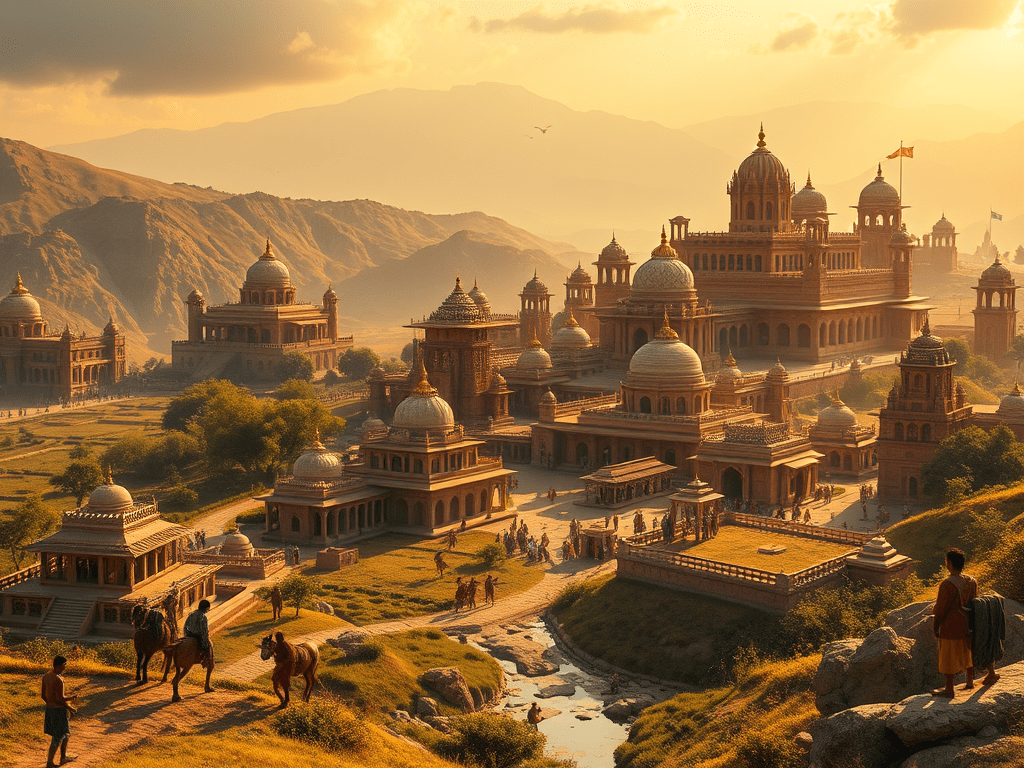
Study Material: Kuru (c. 1200–321 BCE)
26,422 views
The Kuru kingdom was a prominent political and cultural entity in ancient India, evolving from a Vedic tribal confederacy into one of the sixteen Mahajanapadas during the Iron Age (c. 6th century BCE). Located in the northwestern plains of the Indian subcontinent, primarily in modern-day Haryana, Delhi, and western Uttar Pradesh, Kuru played a pivotal…
-

Study Material: Mahajanapadas and Republics (c. 600–321 BCE)
26,422 views
The period of the Mahajanapadas (c. 600–321 BCE) marks a significant phase in ancient Indian history, characterized by the emergence of large territorial states and early republics. This era, following the Later Vedic period, saw urbanization, economic growth, and political consolidation in the Indian subcontinent, particularly in the Gangetic plains. The Mahajanapadas and republics laid…
