
Tag: history
-
Starting of the Delhi Sultanate & Slave Dynasty (UPSC/BPSC Prelims & Mains)
26,371 views
OverviewThe Delhi Sultanate (1206–1526 CE) was a series of Muslim dynasties that ruled northern India, marking the beginning of sustained Islamic rule in the subcontinent. Established after the Second Battle of Tarain (1192 CE), it centralized power in Delhi and introduced Persianate administrative, cultural, and military systems. The Slave Dynasty (1206–1290 CE), also known as…
-
Gupta Empire: Golden Age, Art, Science, Literature (UPSC/BPSC Prelims & Mains)
26,371 views
OverviewThe Gupta Empire (circa 320–550 CE), often referred to as the Golden Age of India, was a period of remarkable achievements in art, science, literature, and governance, centered in northern India with its capital at Pataliputra (modern Patna, Bihar). Founded by Sri Gupta and consolidated by rulers like Chandragupta I, Samudragupta, and Chandragupta II, the…
-
South Indian Kingdoms Governance: Cholas, Cheras,and Pandyas
26,371 views
OverviewThe Cholas, Cheras, and Pandyas, collectively known as the mudi-vendar (crowned kings) of South India, were prominent Tamil dynasties that shaped the political, economic, and cultural landscape of the region from the Sangam period (3rd century BCE–3rd century CE) to the medieval era (13th–16th century CE). Centered in Tamil Nadu and Kerala, these kingdoms excelled…
-
Pandyas: Administration, Culture, Art, and Legacy
26,371 views
OverviewThe Pandya dynasty, one of the three ancient Tamil kingdoms (alongside Cholas and Cheras), ruled primarily over southern Tamil Nadu, with their capital at Madurai and later Tenkaasi. Spanning from the Sangam period (3rd century BCE–3rd century CE) to the early modern era (16th century CE), the Pandyas were renowned for their maritime trade, patronage…
-
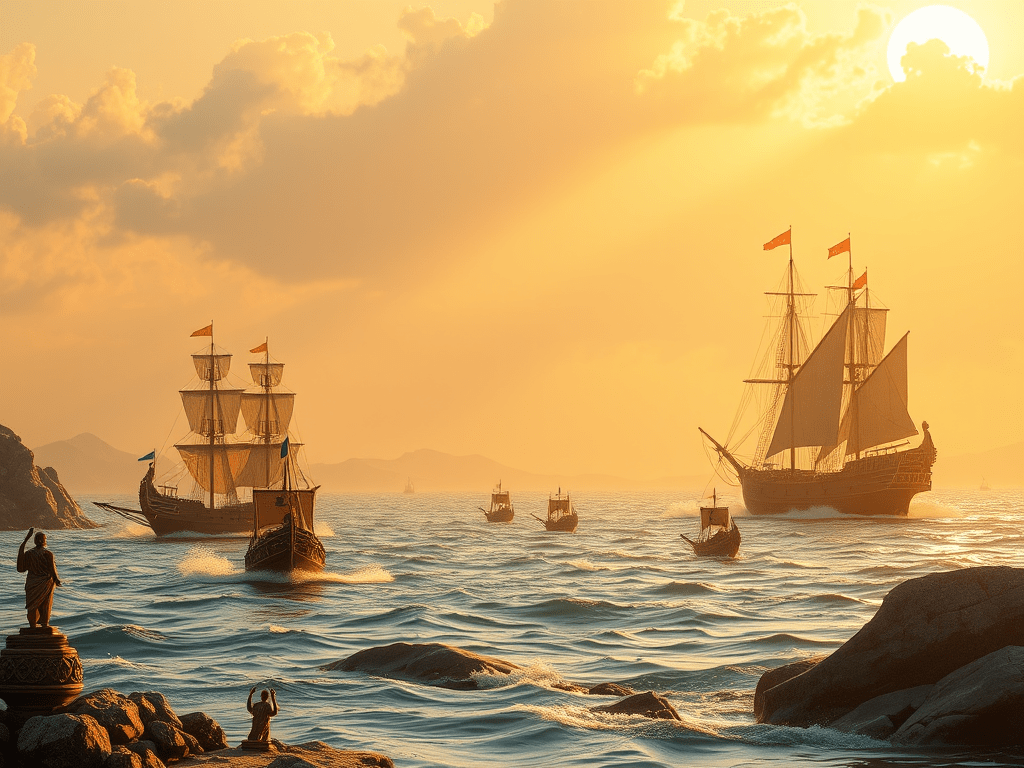
Chera Dynasty: Administration, Economy, Culture, and Legacy (UPSC/BPSC Prelims & Mains)
26,371 views
OverviewThe Chera dynasty, one of the three prominent Sangam-era kingdoms of South India (alongside Cholas and Pandyas), ruled over parts of modern Kerala and western Tamil Nadu from circa 3rd century BCE to 12th century CE. Known for their maritime trade, agrarian economy, and contributions to Tamil literature, the Cheras played a significant role in…
-
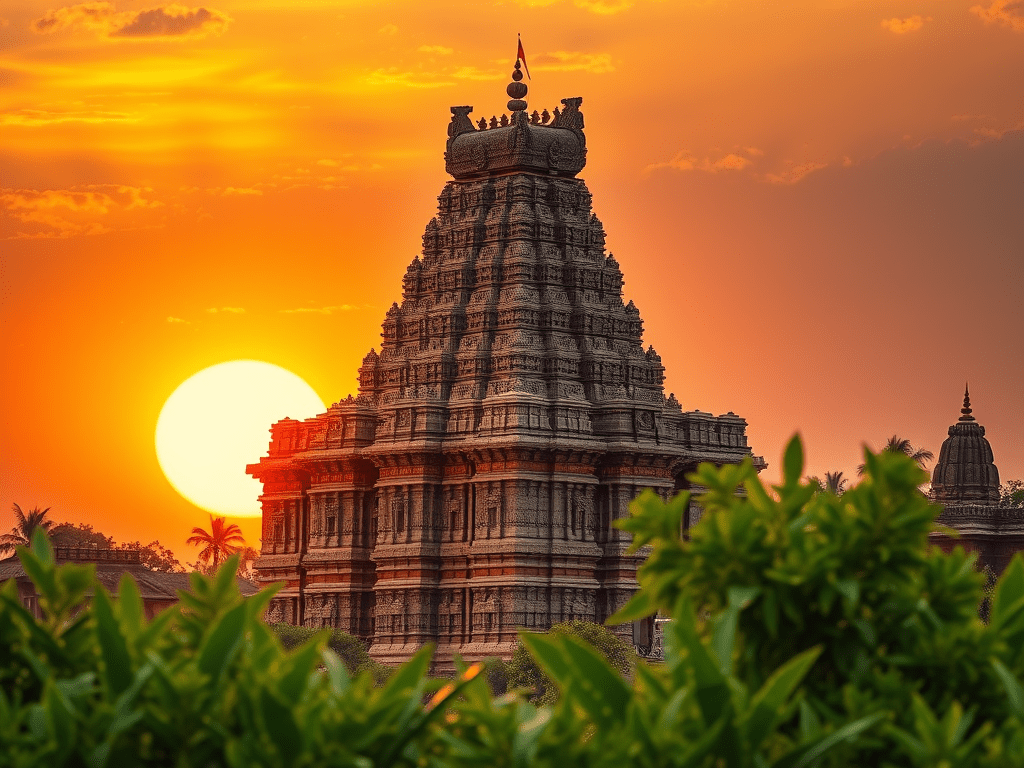
Cholas
26,371 views
OverviewThe Chola Empire (circa 9th–13th century CE), a prominent South Indian dynasty, is renowned for its efficient administration, maritime prowess, and monumental contributions to art and architecture, particularly Dravidian temple architecture. Centered in the Kaveri delta (modern Tamil Nadu), with key capitals at Thanjavur and Gangaikonda Cholapuram, the Cholas reached their zenith under rulers like…
-
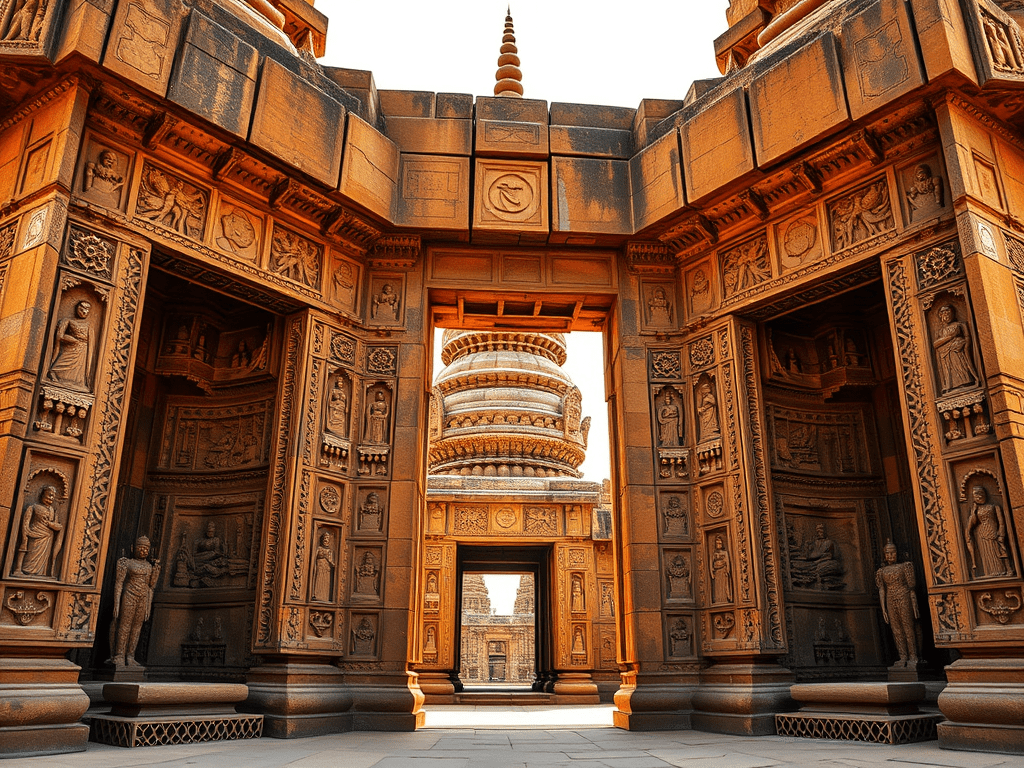
Art and Architecture of the Post-Mauryan Period (UPSC/BPSC Prelims & Mains)
26,371 views
OverviewThe Post-Mauryan period (circa 185 BCE–300 CE) followed the decline of the Mauryan Empire and was marked by the rise of regional dynasties like the Shungas, Satavahanas, Kushanas, and Indo-Greeks, alongside local powers like the Kharavela of Kalinga. This era witnessed a flourishing of art and architecture, driven by patronage of Buddhism, Jainism, and Brahmanism,…
-
Art and Architecture of the Post-Mauryan Period
26,371 views
OverviewThe Post-Mauryan period (circa 185 BCE–300 CE) followed the decline of the Mauryan Empire and was marked by the rise of regional dynasties like the Shungas, Satavahanas, Kushanas, and Indo-Greeks, alongside local powers like the Kharavela of Kalinga. This era witnessed a flourishing of art and architecture, driven by patronage of Buddhism, Jainism, and Brahmanism,…
-
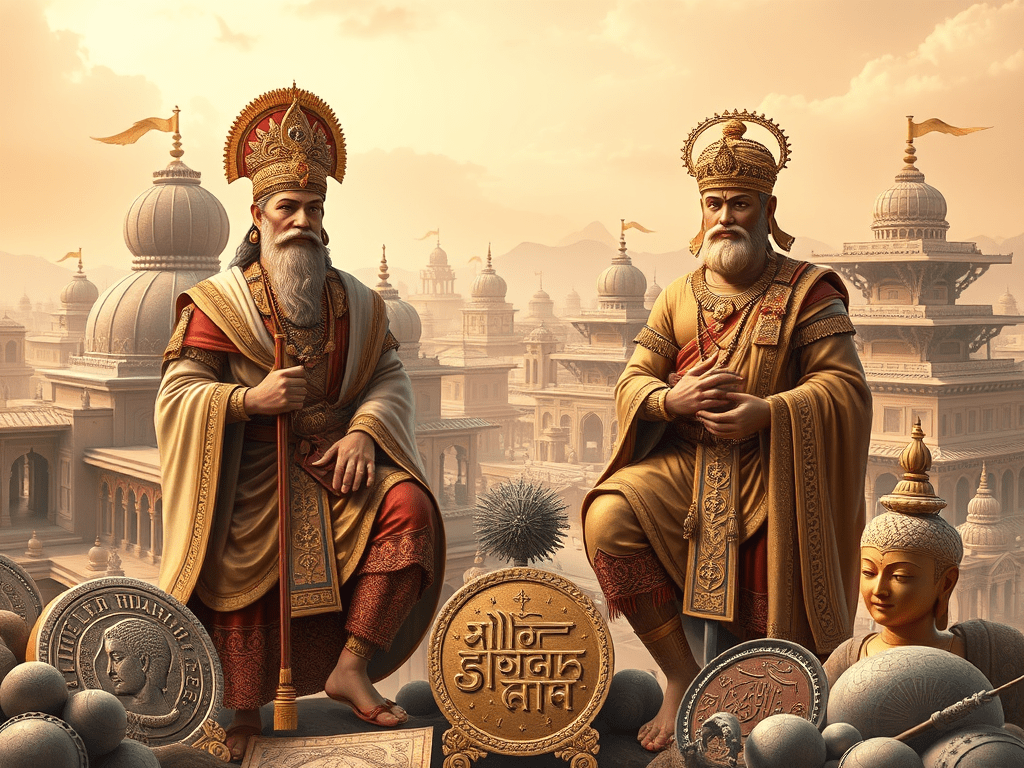
Kushanas: The Central Asian Dynasty in India
26,371 views
OverviewThe Kushana (or Kushan) dynasty (circa 1st–3rd century CE) was a Central Asian dynasty that ruled northern India, parts of Central Asia, and the northwest, significantly shaping Indian history through their political, economic, and cultural contributions. Originating from the Yuezhi, a nomadic group from Central Asia, the Kushanas established a vast empire under rulers like…
-
Satavahanas: The Post-Mauryan Deccan Dynasty
26,371 views
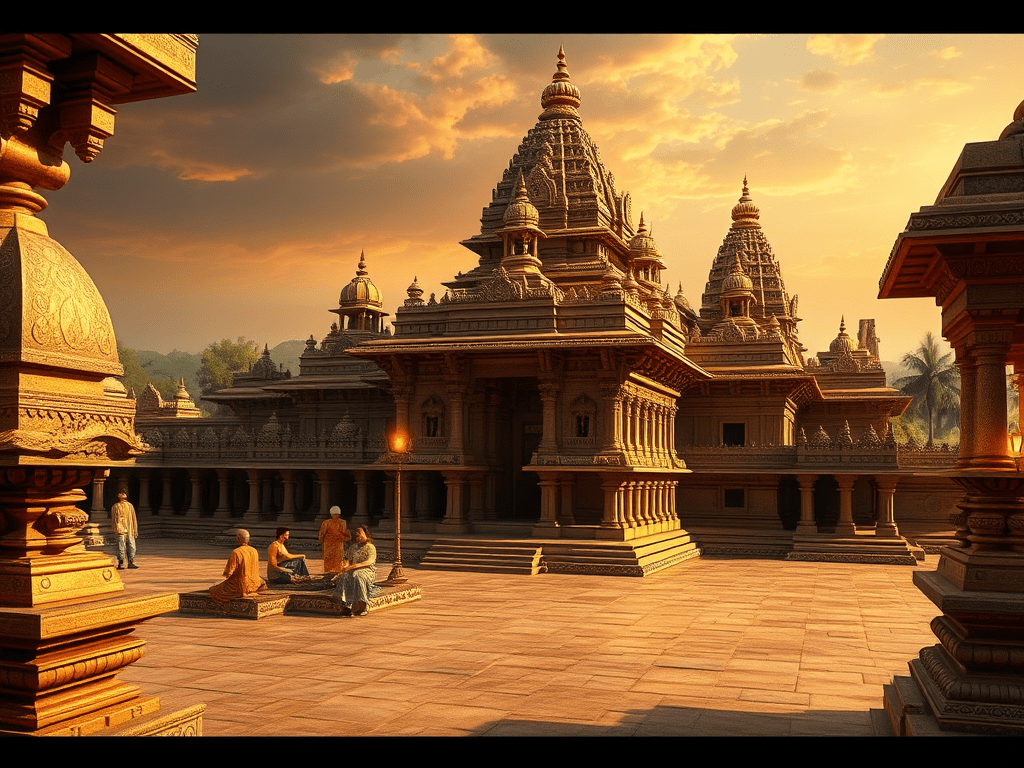
OverviewThe Satavahana dynasty (circa 2nd century BCE–3rd century CE) was a prominent post-Mauryan dynasty that ruled the Deccan region of India, with key centers in Pratishthana (modern Paithan, Maharashtra) and Amaravati (Andhra Pradesh). Emerging after the decline of the Mauryan Empire (~185 BCE), the Satavahanas played a crucial role in stabilizing central and southern India,…
