
Tag: india
-
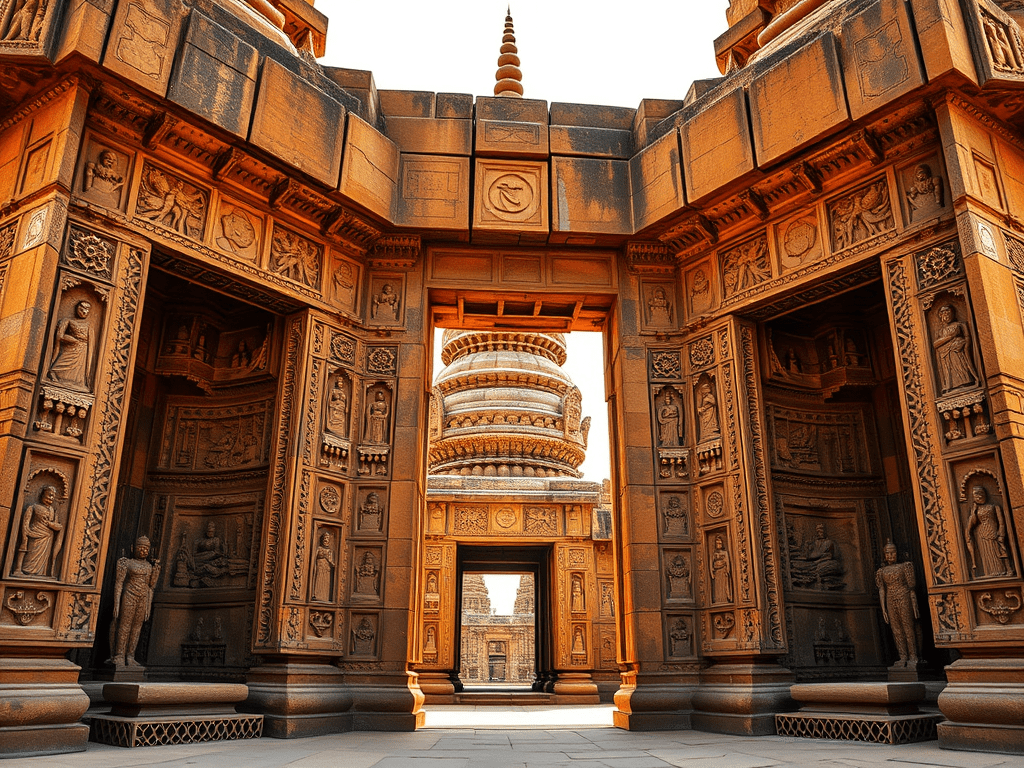
Art and Architecture of the Post-Mauryan Period (UPSC/BPSC Prelims & Mains)
26,372 views
OverviewThe Post-Mauryan period (circa 185 BCE–300 CE) followed the decline of the Mauryan Empire and was marked by the rise of regional dynasties like the Shungas, Satavahanas, Kushanas, and Indo-Greeks, alongside local powers like the Kharavela of Kalinga. This era witnessed a flourishing of art and architecture, driven by patronage of Buddhism, Jainism, and Brahmanism,…
-
Art and Architecture of the Post-Mauryan Period
26,372 views
OverviewThe Post-Mauryan period (circa 185 BCE–300 CE) followed the decline of the Mauryan Empire and was marked by the rise of regional dynasties like the Shungas, Satavahanas, Kushanas, and Indo-Greeks, alongside local powers like the Kharavela of Kalinga. This era witnessed a flourishing of art and architecture, driven by patronage of Buddhism, Jainism, and Brahmanism,…
-
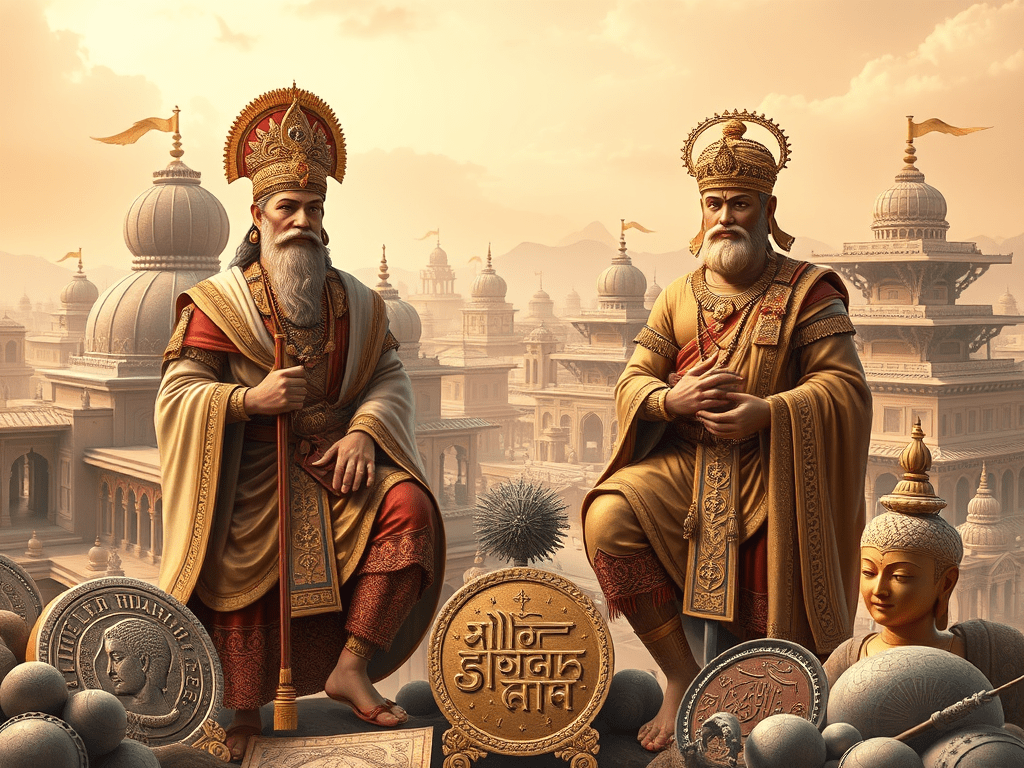
Kushanas: The Central Asian Dynasty in India
26,372 views
OverviewThe Kushana (or Kushan) dynasty (circa 1st–3rd century CE) was a Central Asian dynasty that ruled northern India, parts of Central Asia, and the northwest, significantly shaping Indian history through their political, economic, and cultural contributions. Originating from the Yuezhi, a nomadic group from Central Asia, the Kushanas established a vast empire under rulers like…
-
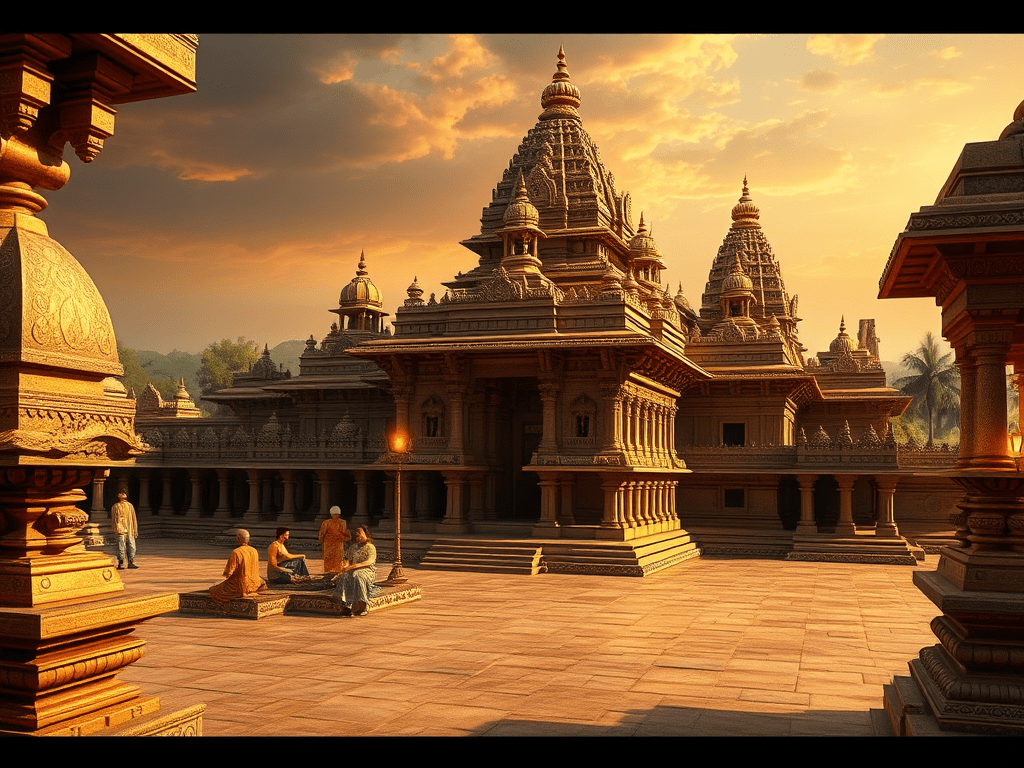
Satavahanas: The Post-Mauryan Deccan Dynasty
26,372 views
OverviewThe Satavahana dynasty (circa 2nd century BCE–3rd century CE) was a prominent post-Mauryan dynasty that ruled the Deccan region of India, with key centers in Pratishthana (modern Paithan, Maharashtra) and Amaravati (Andhra Pradesh). Emerging after the decline of the Mauryan Empire (~185 BCE), the Satavahanas played a crucial role in stabilizing central and southern India,…
-
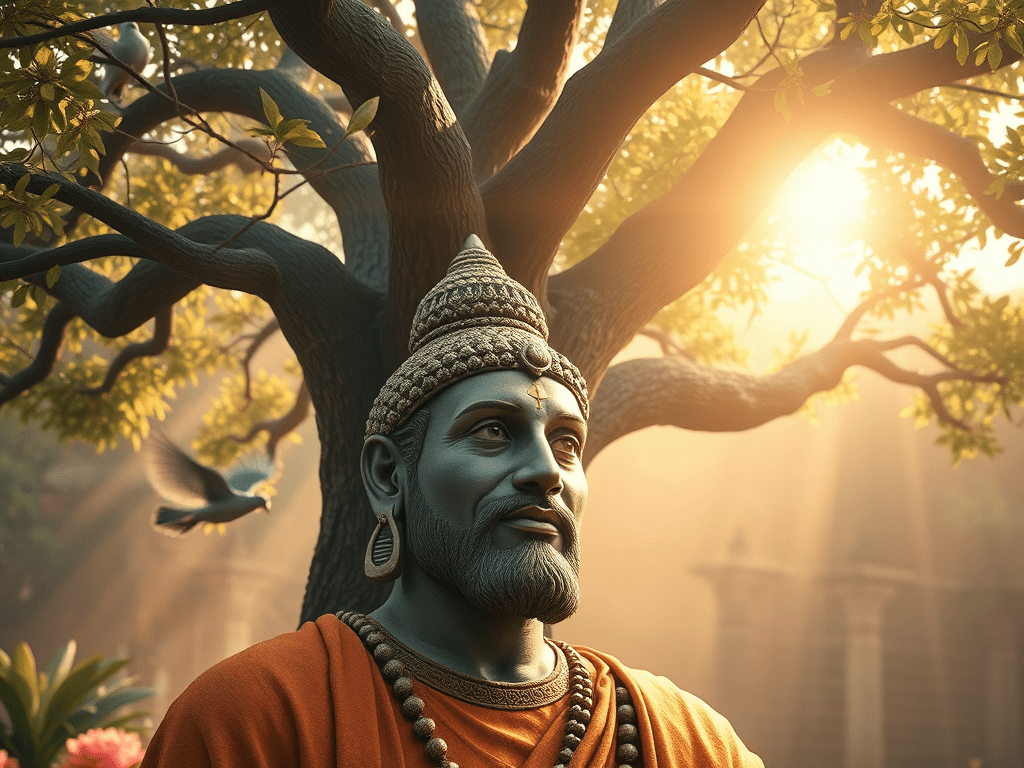
Mauryan Dhamma: Ashoka’s Philosophy (UPSC/BPSC Prelims & Mains)
26,372 views
OverviewMauryan Dhamma, also known as Ashoka’s Dhamma (circa 268–232 BCE), was an ethical and moral framework introduced by Emperor Ashoka, the third Mauryan ruler, after the Kalinga War (circa 261 BCE). Based in Pataliputra (modern Patna, Bihar), Dhamma was a universal code promoting social harmony, non-violence, and ethical governance across the diverse Mauryan Empire. It…
-
Mauryan Dhamma: Ashoka’s Philosophy
26,372 views
OverviewMauryan Dhamma, also known as Ashoka’s Dhamma (circa 268–232 BCE), was an ethical and moral framework introduced by Emperor Ashoka, the third Mauryan ruler, after the Kalinga War (circa 261 BCE). Based in Pataliputra (modern Patna, Bihar), Dhamma was a universal code promoting social harmony, non-violence, and ethical governance across the diverse Mauryan Empire. It…
-
Study Material: Mauryan Empire – Chandragupta Maurya (c. 321–297 BCE)
26,372 views
Chandragupta Maurya was the founder of the Mauryan Empire, one of the largest and most influential empires in ancient Indian history. Rising from humble origins, he overthrew the Nanda Dynasty with the guidance of his mentor Chanakya (Kautilya) and established a centralized empire that unified much of the Indian subcontinent. Centered in Pataliputra (modern Patna,…
-
Study Material: Nanda Dynasty (c. 345–321 BCE)
26,372 views
The Nanda Dynasty was a pivotal ruling house of the Magadha kingdom in ancient India, succeeding the Haryanka and Shishunaga dynasties. Known for its immense wealth, vast military might, and centralized administration, the Nanda Dynasty transformed Magadha into a dominant power, laying the foundation for the subsequent Mauryan Empire. Based in Pataliputra (modern Patna, Bihar),…
-
Study Material: Social Structure of the Vedic Period (c. 1500–500 BCE)
26,372 views
The Vedic period, spanning approximately from 1500 to 500 BCE, encompasses the Early Vedic period (c. 1500–1000 BCE, reflected in the Rigveda) and the Later Vedic period (c. 1000–500 BCE, seen in the Yajurveda, Samaveda, Atharvaveda, Brahmanas, Aranyakas, and early Upanishads). The social structure of this period evolved significantly, transitioning from a relatively flexible, tribal…
-
Study Material: Kuru (c. 1200–321 BCE)
26,372 views
The Kuru kingdom was a prominent political and cultural entity in ancient India, evolving from a Vedic tribal confederacy into one of the sixteen Mahajanapadas during the Iron Age (c. 6th century BCE). Located in the northwestern plains of the Indian subcontinent, primarily in modern-day Haryana, Delhi, and western Uttar Pradesh, Kuru played a pivotal…
