
Tag: india
-
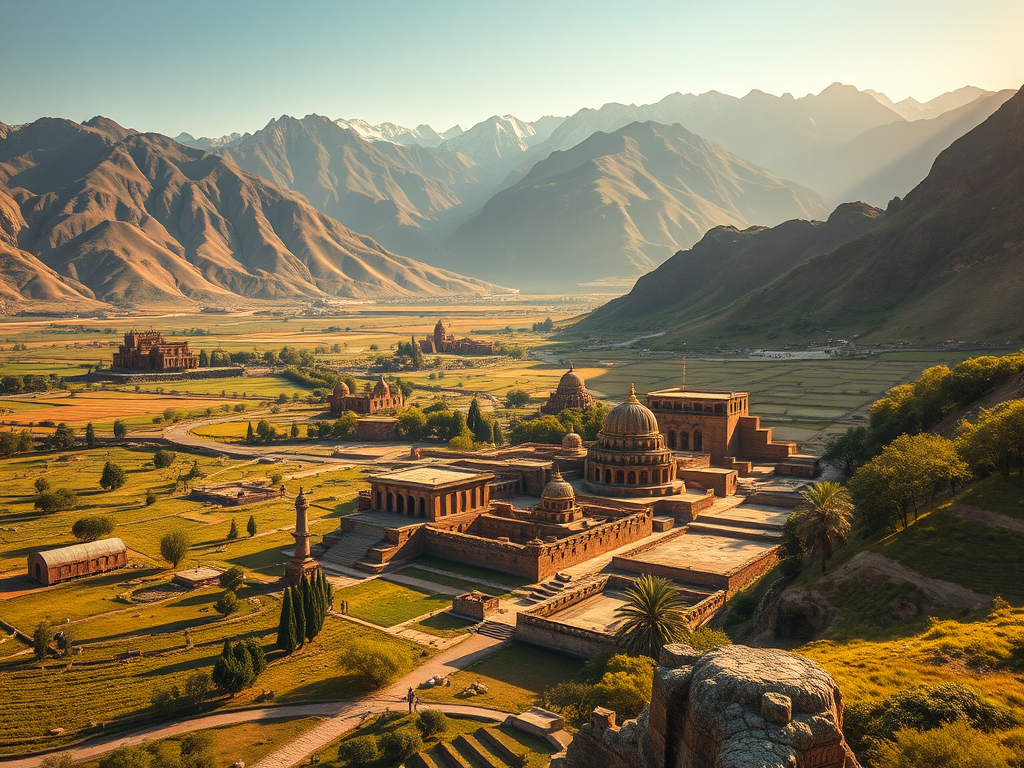
Study Material: Gandhara (c. 1500 BCE–11th Century CE)
26,375 views
Gandhara was an ancient region and Mahajanapada in the northwestern Indian subcontinent, encompassing parts of modern-day northern Pakistan and eastern Afghanistan. Renowned for its strategic location, cultural synthesis, and contributions to art, religion, and learning, Gandhara played a pivotal role in ancient Indian and global history. This study material explores Gandhara’s historical context, political evolution,…
-
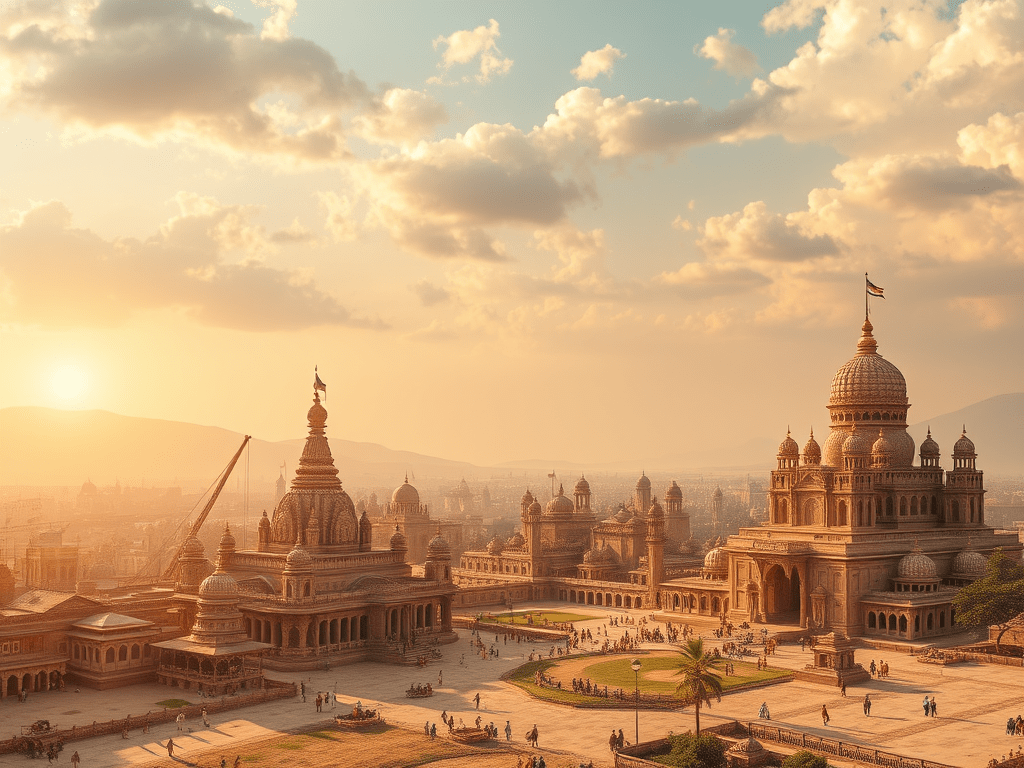
Study Material: Mahajanapadas and Republics (c. 600–321 BCE)
26,375 views
The period of the Mahajanapadas (c. 600–321 BCE) marks a significant phase in ancient Indian history, characterized by the emergence of large territorial states and early republics. This era, following the Later Vedic period, saw urbanization, economic growth, and political consolidation in the Indian subcontinent, particularly in the Gangetic plains. The Mahajanapadas and republics laid…
-

Later Vedic Society (c. 1000–500 BCE)
26,375 views
The Later Vedic period, spanning roughly from 1000 to 500 BCE, marks the evolution of Vedic civilization in ancient India following the Rigvedic period (c. 1500–1000 BCE). This phase, reflected in texts like the Yajurveda, Samaveda, Atharvaveda, Brahmanas, Aranyakas, and early Upanishads, reveals significant transformations in social, economic, political, cultural, and religious structures. Below is…
-
Rigveda
26,375 views
The Rigveda stands as one of the most ancient and revered texts in human history, forming the cornerstone of Vedic literature and the spiritual heritage of ancient Indian civilization. This sacred scripture, composed in an early form of Sanskrit, is part of the four Vedas, which also include the Yajurveda, Samaveda, and Atharvaveda. Below is…
-

Introduction to the Indus Valley Civilization
26,375 views
The Harappan Civilization, named after its type-site Harappa, was a Bronze Age civilization contemporaneous with ancient Mesopotamia and Egypt. Spanning modern-day Pakistan, northwest India, and parts of Afghanistan, it covered an estimated area of over 1.5 million square kilometers, making it one of the largest ancient civilizations. Its major sites include Harappa, Mohenjo-Daro, Dholavira, Lothal,…
-
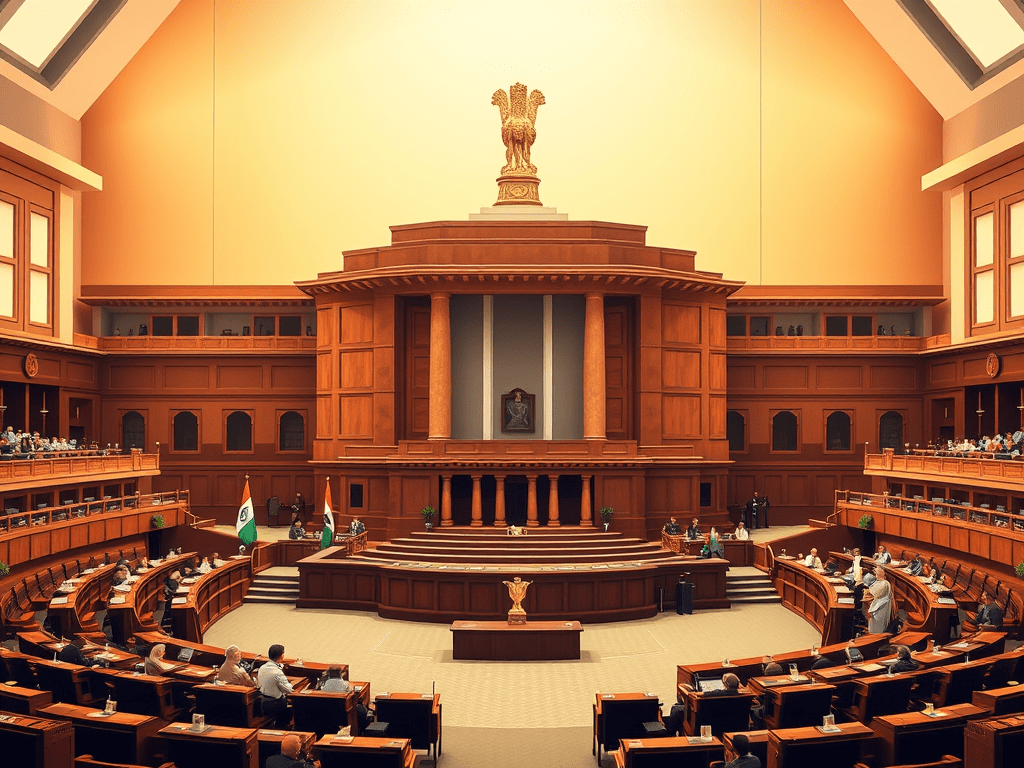
Study Note: Structure of the Indian Parliament
26,375 views
Detailed Study Note: Structure of the Indian Parliament Introduction The Indian Parliament is the supreme legislative body of India, responsible for making laws, approving budgets, and overseeing the government’s work. It is a bicameral legislature, meaning it has two houses: the Lok Sabha (House of the People) and the Rajya Sabha (Council of States). The…
-

Current Affairs: 31 May 2025
26,375 views
Boost your preparation for UPSC, BPSC, Banking, SSC, Railways, and other competitive exams with concise, exam-oriented updates on national initiatives, international developments, finance, technology, environment, and more. National Affairs Miniratna Category-I Status for MIL, AVNL, and IOL On 30 May 2025, Union Defence Minister Rajnath Singh approved Miniratna Category-I status for three Defence Public Sector…
