
Tag: indian-history
-
-
-
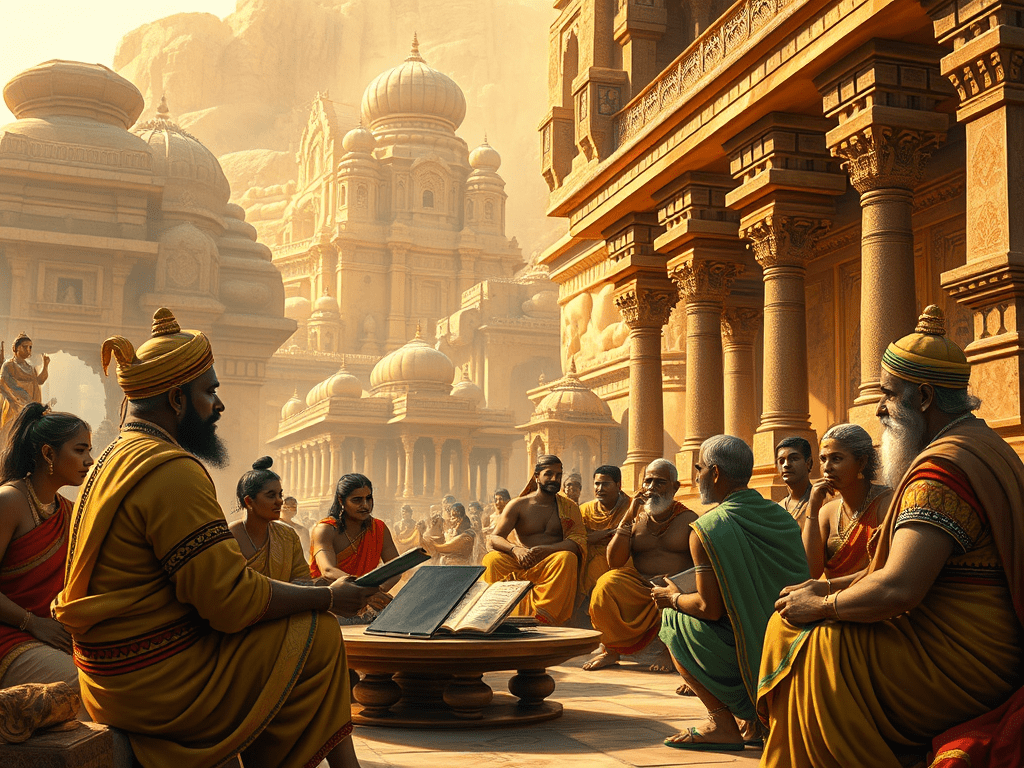
Gupta Empire: Golden Age, Art, Science, Literature (UPSC/BPSC Prelims & Mains)
26,368 views
OverviewThe Gupta Empire (circa 320–550 CE), often referred to as the Golden Age of India, was a period of remarkable achievements in art, science, literature, and governance, centered in northern India with its capital at Pataliputra (modern Patna, Bihar). Founded by Sri Gupta and consolidated by rulers like Chandragupta I, Samudragupta, and Chandragupta II, the…
-
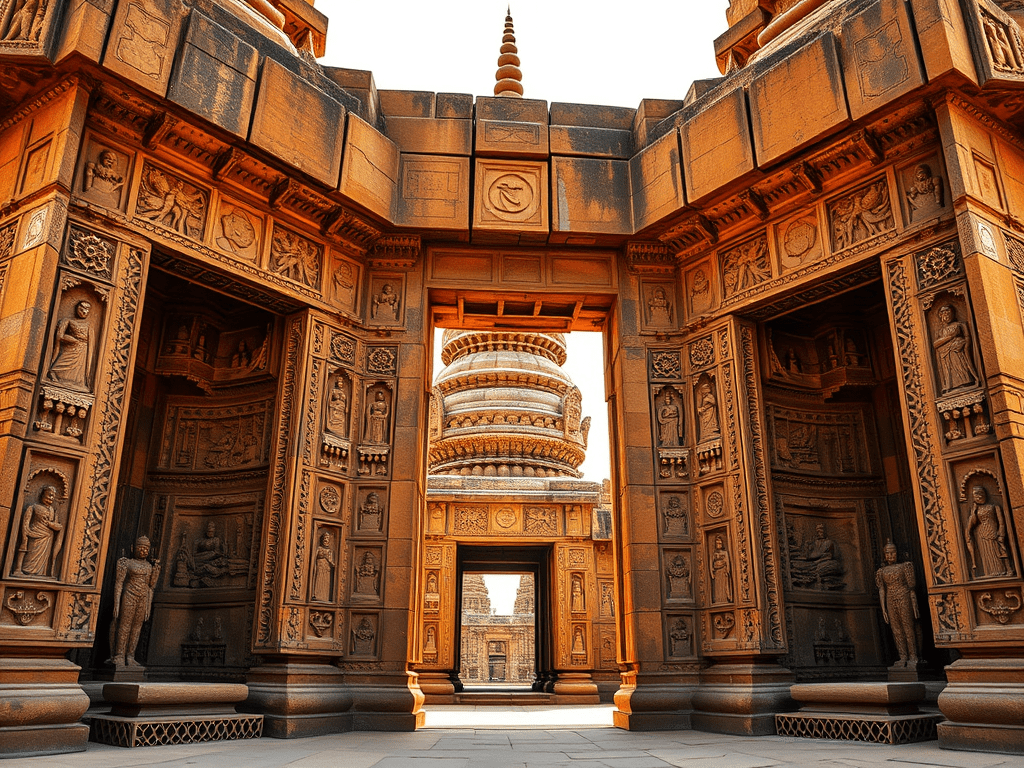
Art and Architecture of the Post-Mauryan Period (UPSC/BPSC Prelims & Mains)
26,368 views
OverviewThe Post-Mauryan period (circa 185 BCE–300 CE) followed the decline of the Mauryan Empire and was marked by the rise of regional dynasties like the Shungas, Satavahanas, Kushanas, and Indo-Greeks, alongside local powers like the Kharavela of Kalinga. This era witnessed a flourishing of art and architecture, driven by patronage of Buddhism, Jainism, and Brahmanism,…
-
Art and Architecture of the Post-Mauryan Period
26,368 views
OverviewThe Post-Mauryan period (circa 185 BCE–300 CE) followed the decline of the Mauryan Empire and was marked by the rise of regional dynasties like the Shungas, Satavahanas, Kushanas, and Indo-Greeks, alongside local powers like the Kharavela of Kalinga. This era witnessed a flourishing of art and architecture, driven by patronage of Buddhism, Jainism, and Brahmanism,…
-
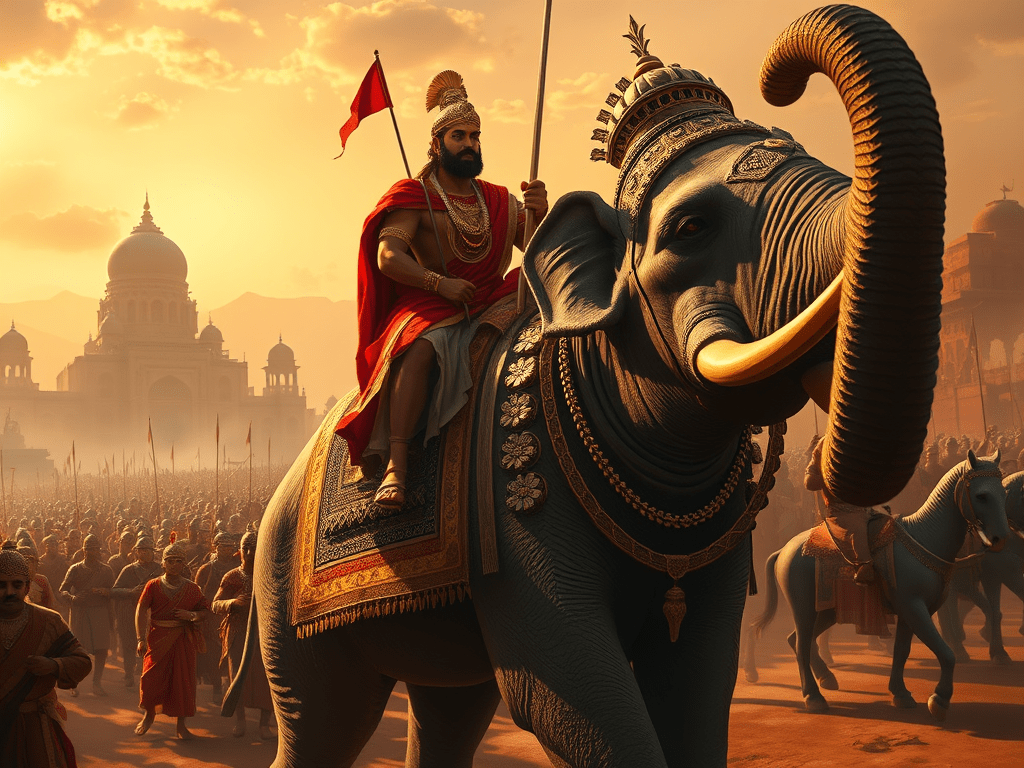
Study Material: Mauryan Empire – Chandragupta Maurya (c. 321–297 BCE)
26,368 views
Chandragupta Maurya was the founder of the Mauryan Empire, one of the largest and most influential empires in ancient Indian history. Rising from humble origins, he overthrew the Nanda Dynasty with the guidance of his mentor Chanakya (Kautilya) and established a centralized empire that unified much of the Indian subcontinent. Centered in Pataliputra (modern Patna,…
