
Tag: religion
-
Test 4: Ancient Bihar for BPSC Examination , Free Test
26,366 views
( 60 days -60 tests) Test No . 4 Test No 4 Question Paper 150 Superbly Selected Question for BPSC Prelims Exam Test No 4 Solution Each question should be explained in simple, easy-to-understand language to help with memorization and quick recall. Ancient Indian History is a favorite topic for BPSC exams, and to thoroughly…
-

Books and Authors
26,366 views
Book Title Author(s) Genre/Category Description Leo: The Untold Story of Chennai Super Kings P S Raman Sports Biography Chronicles the journey of the Chennai Super Kings, one of India’s most successful IPL teams, revealing behind-the-scenes stories and the franchise’s rise to glory. To the Seventh Generation Dr. V I Mathan Non-Fiction/Social Issues Likely explores sustainable…
-
Sikh Empire: Guru Gobind Singh
26,366 views
1. Introduction to Guru Gobind Singh and the Sikh Empire Guru Gobind Singh (1666–1708 CE), the tenth Sikh Guru, was a pivotal figure in the formation of the Sikh Empire, laying the ideological and military foundation for Sikh sovereignty in the 18th–19th centuries. Born as Gobind Rai in Patna, he became Guru at age nine…
-
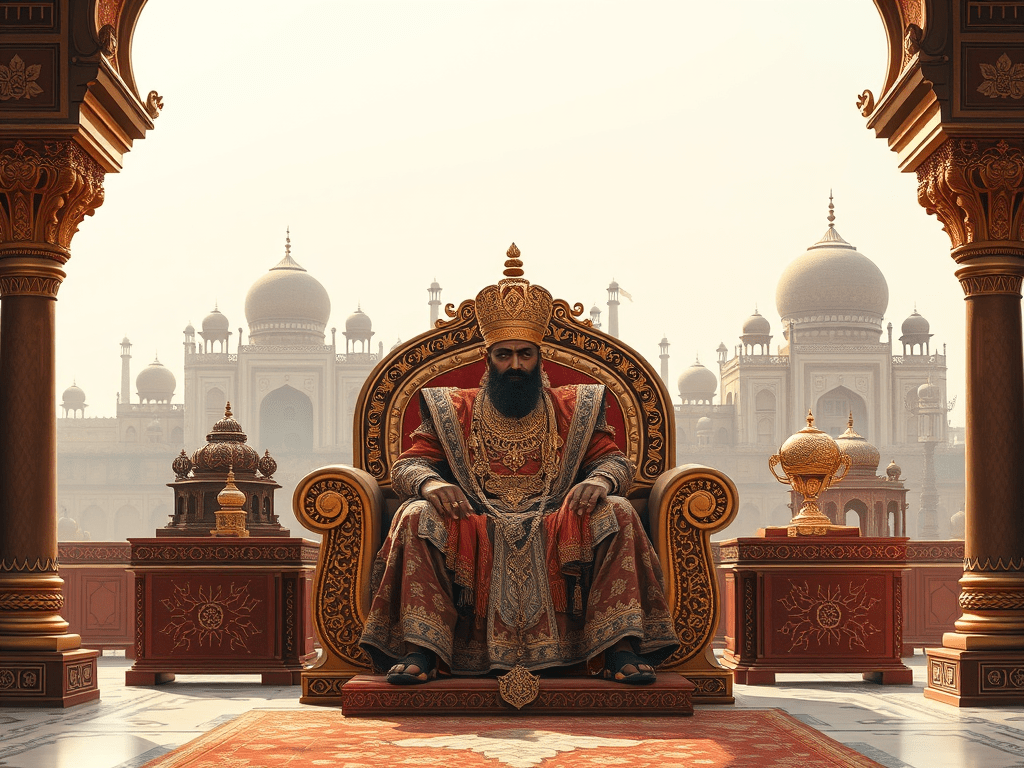
Mughal Empire: Aurangzeb
26,366 views
1. Introduction to Aurangzeb and the Mughal Empire Muhi-ud-Din Muhammad Aurangzeb (1618–1707 CE), the sixth Mughal emperor, reigned from 1658 to 1707 CE, representing the territorial zenith of the Mughal Empire but also the onset of its decline. Ascending the throne after a brutal war of succession against his brothers, Aurangzeb expanded the empire to…
-
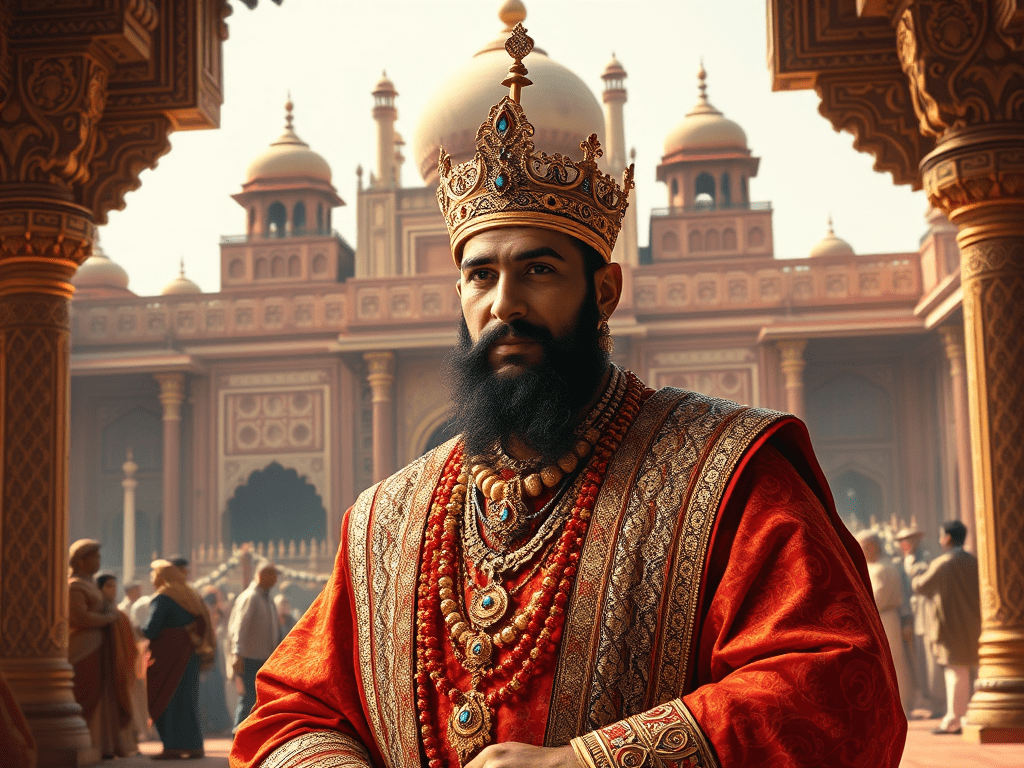
Mughal Empire: Akbar
26,366 views
1. Introduction to Akbar and the Mughal Empire Jalal-ud-Din Muhammad Akbar (1542–1605 CE), the third Mughal emperor, reigned from 1556 to 1605 CE and is considered the architect of the Mughal Empire’s golden age. Ascending the throne at age 13 after his father Humayun’s death, Akbar transformed the fragile empire inherited from Babur into a…
-
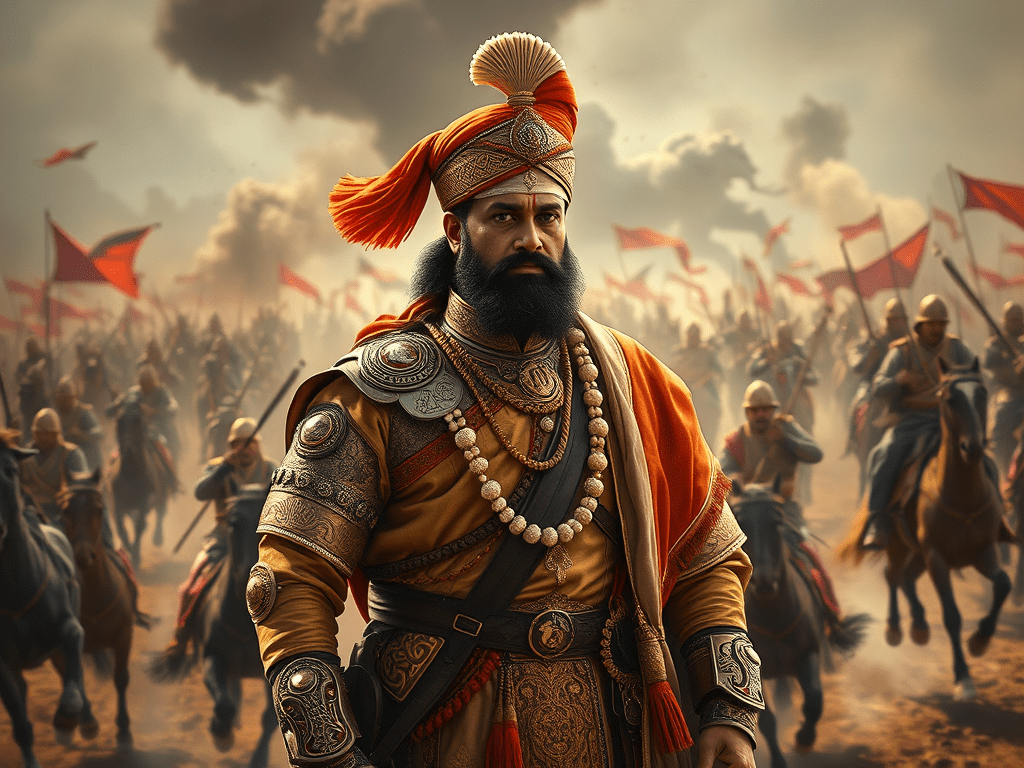
Mughal Empire: Babur
26,366 views
1. Introduction to Babur and the Mughal Empire The Mughal Empire (1526–1857 CE) was one of the most significant dynasties in Indian history, known for its political, cultural, and architectural contributions. Founded by Zahir-ud-Din Muhammad Babur, a descendant of Timur (Tamerlane) and Genghis Khan, the empire marked the beginning of a centralized, culturally syncretic rule…
-
Mauryan Dhamma: Ashoka’s Philosophy (UPSC/BPSC Prelims & Mains)
26,366 views
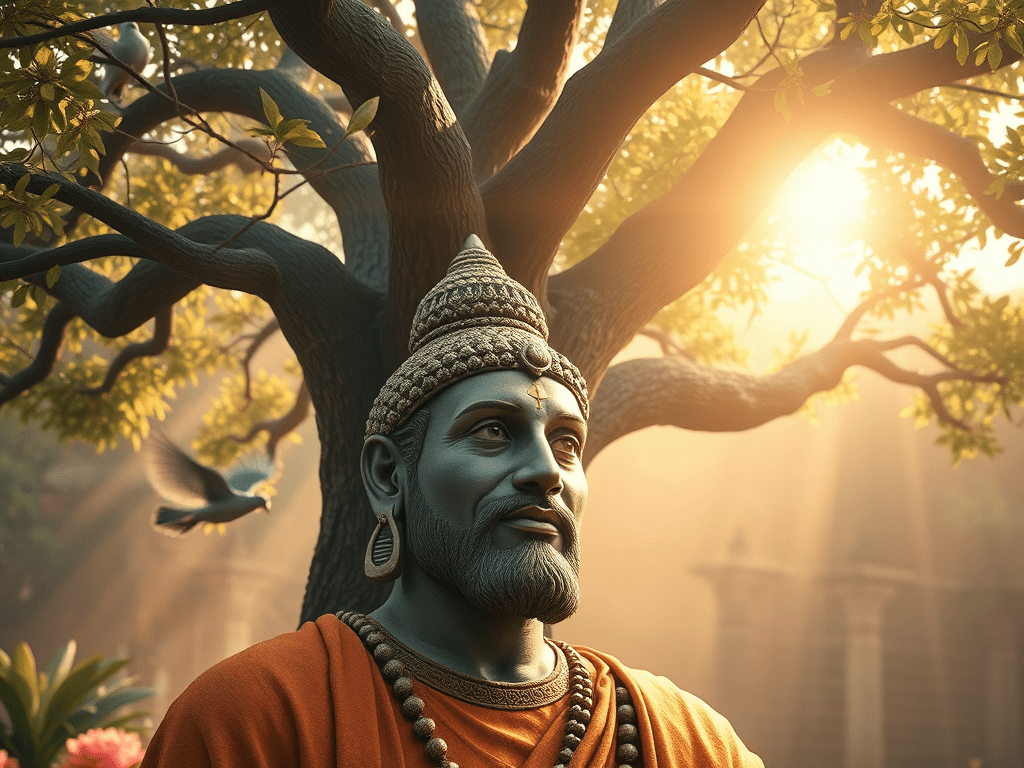
OverviewMauryan Dhamma, also known as Ashoka’s Dhamma (circa 268–232 BCE), was an ethical and moral framework introduced by Emperor Ashoka, the third Mauryan ruler, after the Kalinga War (circa 261 BCE). Based in Pataliputra (modern Patna, Bihar), Dhamma was a universal code promoting social harmony, non-violence, and ethical governance across the diverse Mauryan Empire. It…
-
Mauryan Dhamma: Ashoka’s Philosophy
26,366 views
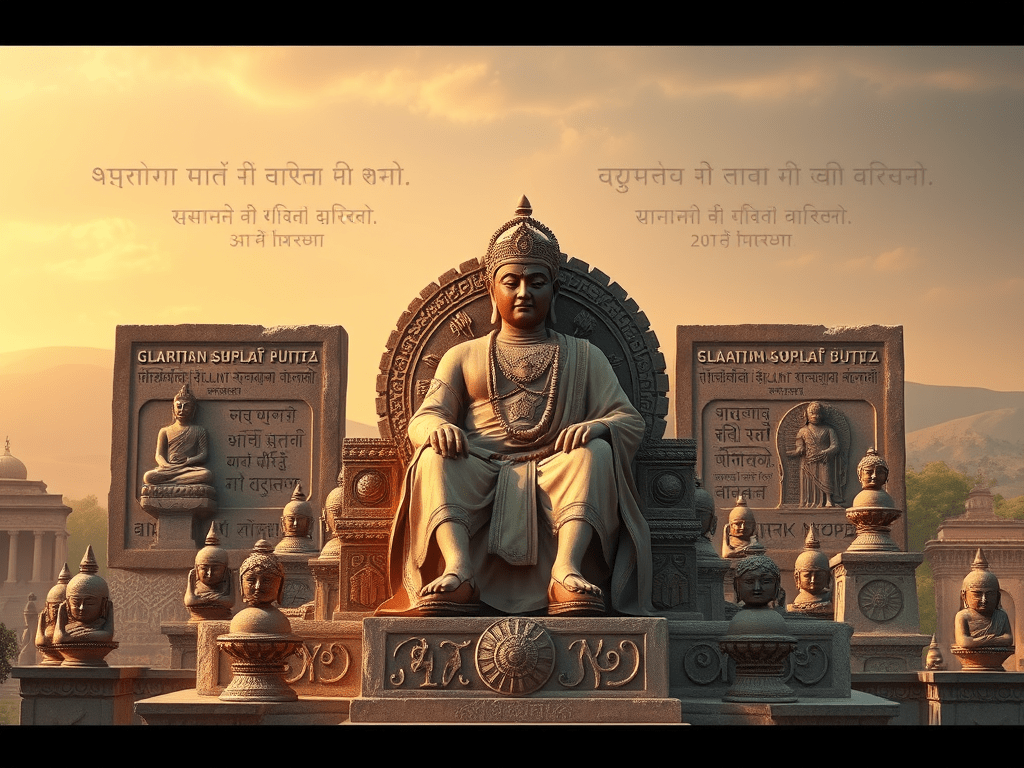
OverviewMauryan Dhamma, also known as Ashoka’s Dhamma (circa 268–232 BCE), was an ethical and moral framework introduced by Emperor Ashoka, the third Mauryan ruler, after the Kalinga War (circa 261 BCE). Based in Pataliputra (modern Patna, Bihar), Dhamma was a universal code promoting social harmony, non-violence, and ethical governance across the diverse Mauryan Empire. It…
-
Study Material: Nanda Dynasty (c. 345–321 BCE)
26,366 views
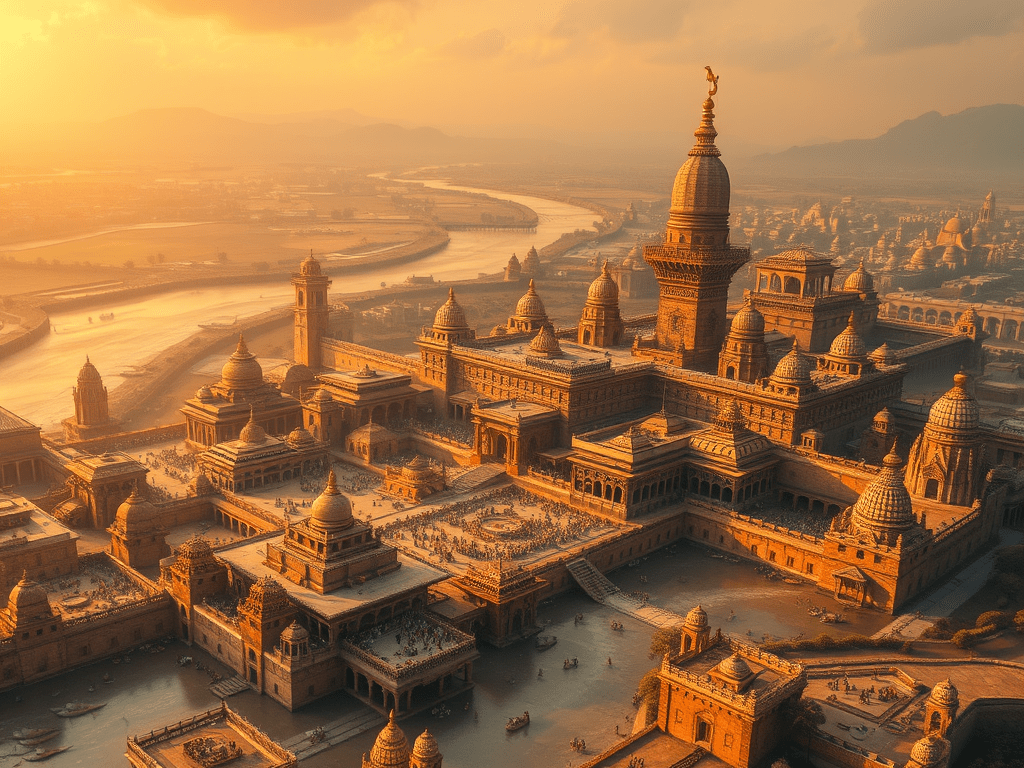
The Nanda Dynasty was a pivotal ruling house of the Magadha kingdom in ancient India, succeeding the Haryanka and Shishunaga dynasties. Known for its immense wealth, vast military might, and centralized administration, the Nanda Dynasty transformed Magadha into a dominant power, laying the foundation for the subsequent Mauryan Empire. Based in Pataliputra (modern Patna, Bihar),…
-
Study Material: Social Structure of the Vedic Period (c. 1500–500 BCE)
26,366 views
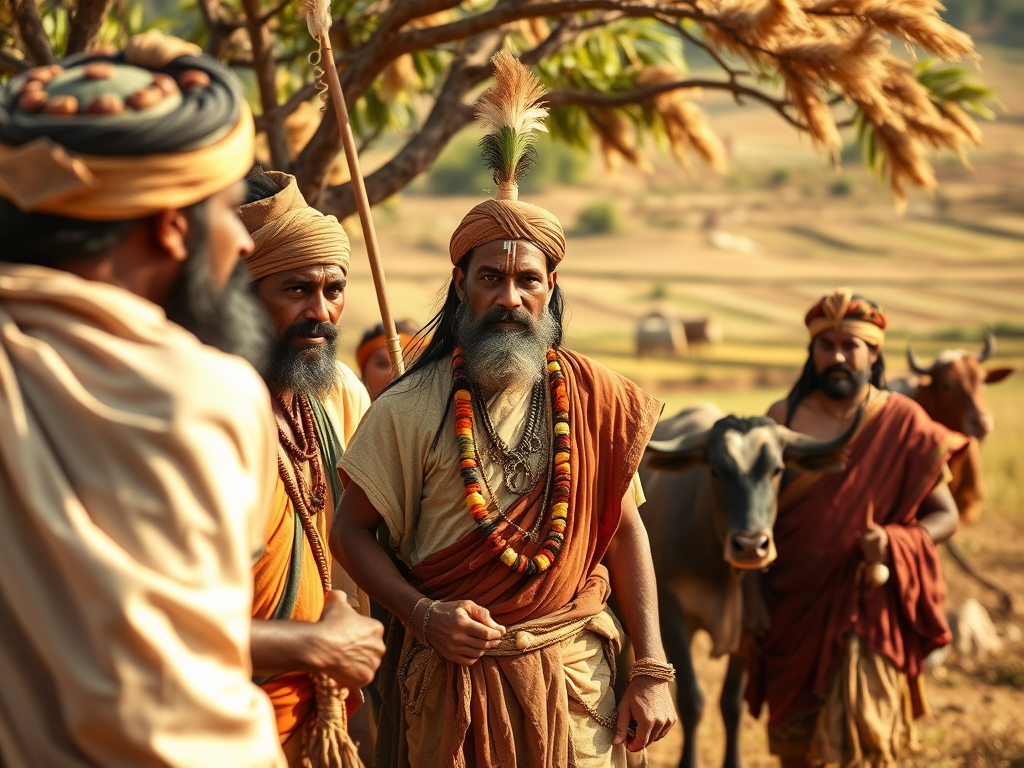
The Vedic period, spanning approximately from 1500 to 500 BCE, encompasses the Early Vedic period (c. 1500–1000 BCE, reflected in the Rigveda) and the Later Vedic period (c. 1000–500 BCE, seen in the Yajurveda, Samaveda, Atharvaveda, Brahmanas, Aranyakas, and early Upanishads). The social structure of this period evolved significantly, transitioning from a relatively flexible, tribal…
