
Tag: travel
-

Introduction to the Mines Act, 1952
26,366 views
Introduction to the Mines Act, 1952 The Mines Act, 1952 is a comprehensive Indian legislation aimed at regulating the mining industry, ensuring the safety, health, and welfare of workers employed in mines. It consolidates and amends previous laws, including the Indian Mines Act, 1923, and came into force on July 1, 1952. The Act applies…
-
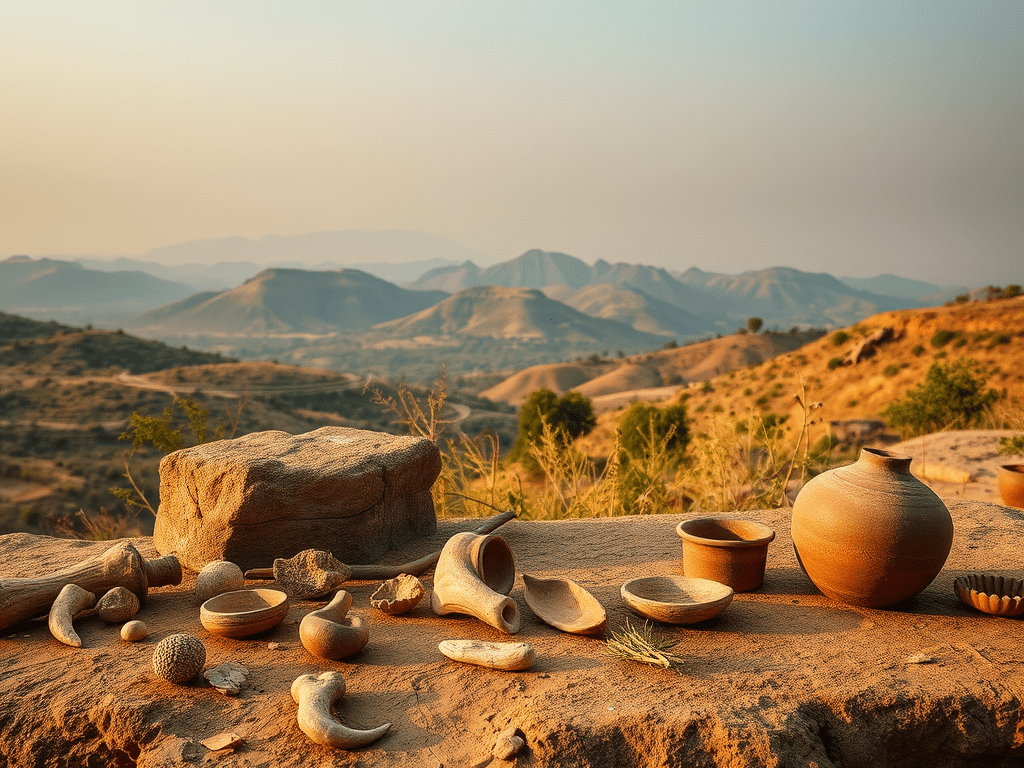
Test 4: Ancient Bihar for BPSC Examination , Free Test
26,366 views
( 60 days -60 tests) Test No . 4 Test No 4 Question Paper 150 Superbly Selected Question for BPSC Prelims Exam Test No 4 Solution Each question should be explained in simple, easy-to-understand language to help with memorization and quick recall. Ancient Indian History is a favorite topic for BPSC exams, and to thoroughly…
-
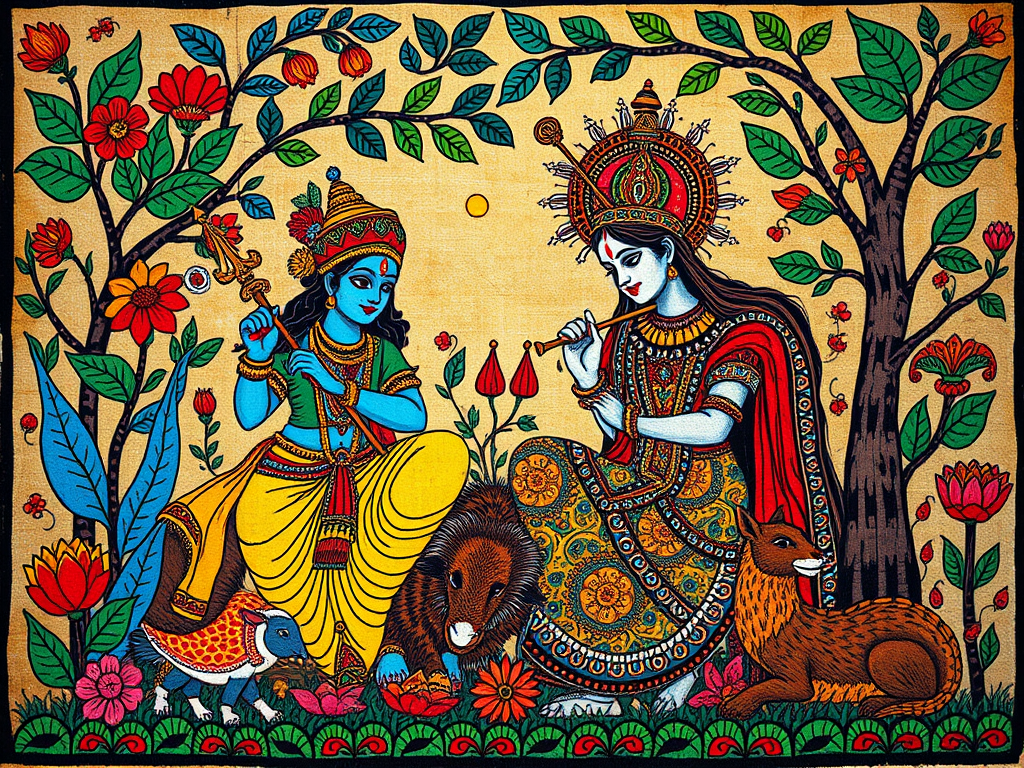
Comprehensive Notes on Madhubani Art and Other Arts of Bihar for UPSC and BPSC Aspirants
26,366 views
Introduction to Bihar’s Art and Culture Bihar, a state with a rich historical and cultural heritage, has contributed significantly to Indian art and culture. Its artistic traditions, deeply rooted in history, reflect the socio-cultural, religious, and mythological ethos of the region. For UPSC and BPSC aspirants, understanding Bihar’s art forms, particularly Madhubani painting, Patna Kalam,…
-
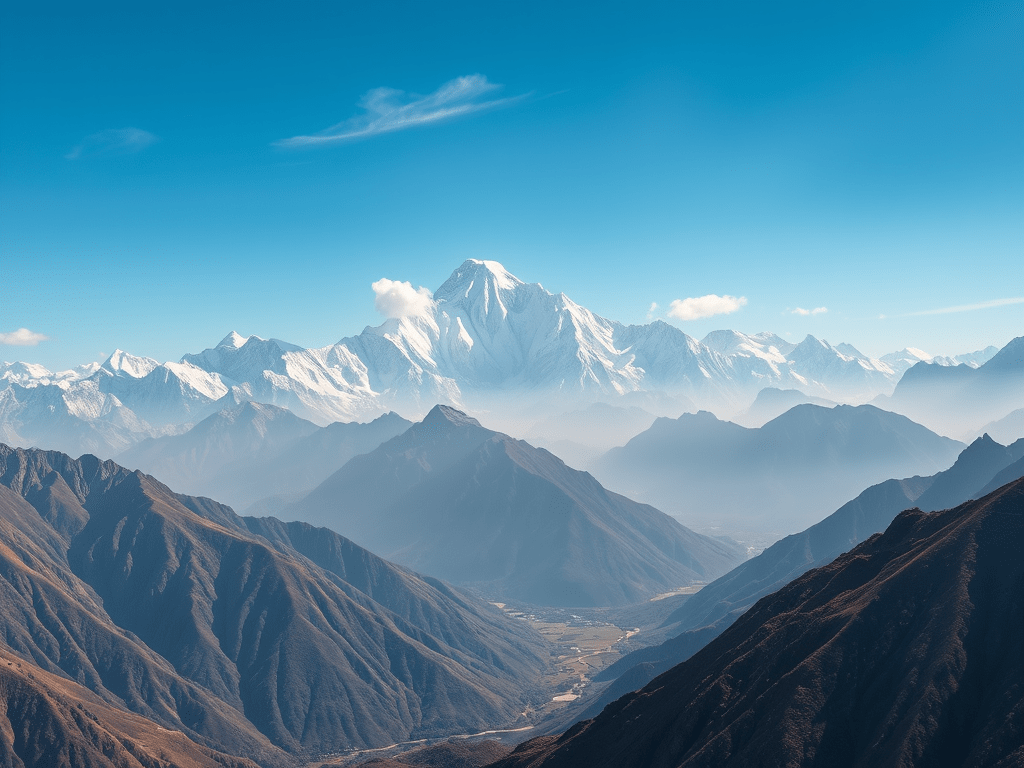
The Himalayas
26,366 views
The Himalayas are a huge mountain range in northern India. They are not just tall mountains but are very important for India’s environment, culture, and safety. These notes are written in simple language for first-time learners, covering everything you need to know about the Himalayas for UPSC and BPSC exams, including their formation, types, divisions,…
-
-
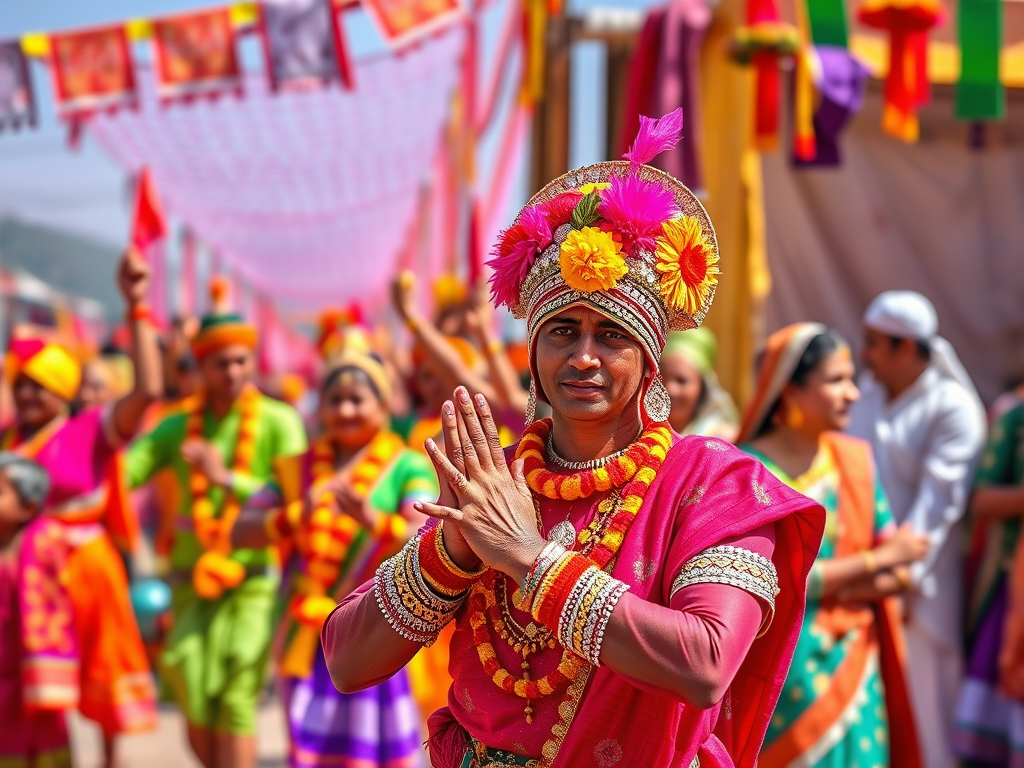
Festivals, Summits & Meetings Across India and Beyond in 2024-25
26,366 views
Celebrate Diversity: India and its neighboring regions come alive in 2024-25 with a vibrant array of festivals, summits, and cultural gatherings. From the colorful Shigmo Festival in Goa to the serene Sagadawa Festival in Sikkim, these events showcase rich traditions, community spirit, and unique heritage. Whether you’re a traveler, culture enthusiast, or local, this guide…
-
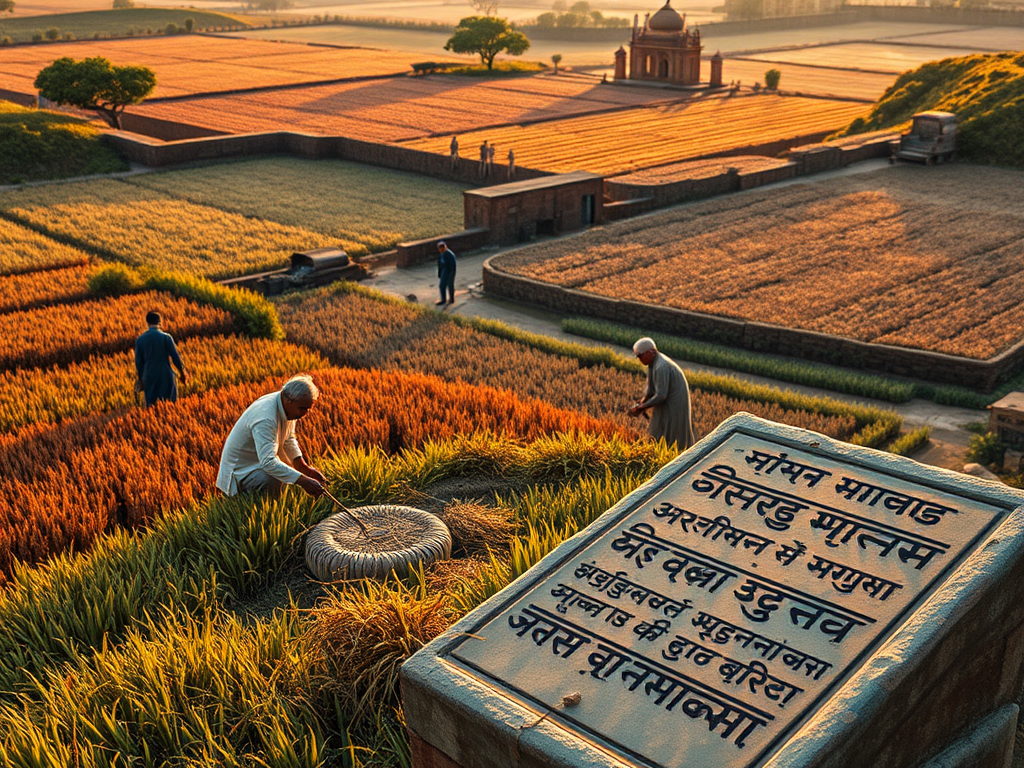
Mughal Empire: Land Revenue System
26,366 views
1. Introduction to the Mughal Land Revenue System The Mughal Empire (1526–1857 CE) relied heavily on its land revenue system as the backbone of its economy, funding military campaigns, administration, and imperial projects. The system evolved significantly over time, with notable reforms under emperors like Akbar, Shah Jahan, and Aurangzeb. It was designed to extract…
-
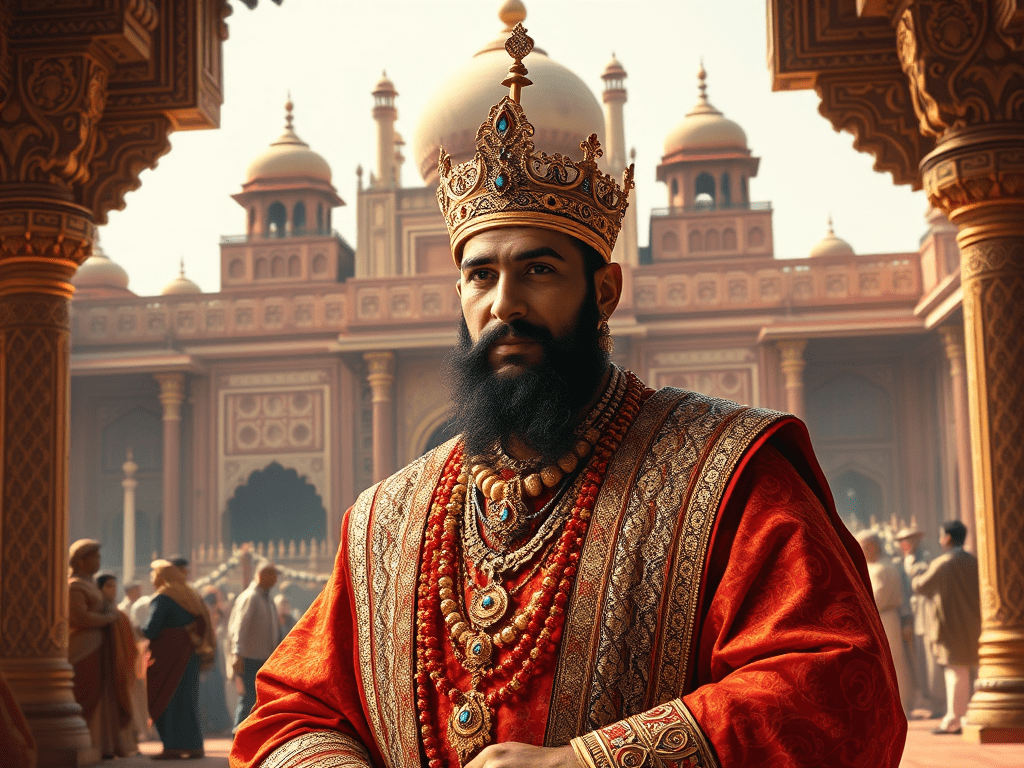
Mughal Empire: Akbar
26,366 views
1. Introduction to Akbar and the Mughal Empire Jalal-ud-Din Muhammad Akbar (1542–1605 CE), the third Mughal emperor, reigned from 1556 to 1605 CE and is considered the architect of the Mughal Empire’s golden age. Ascending the throne at age 13 after his father Humayun’s death, Akbar transformed the fragile empire inherited from Babur into a…
-
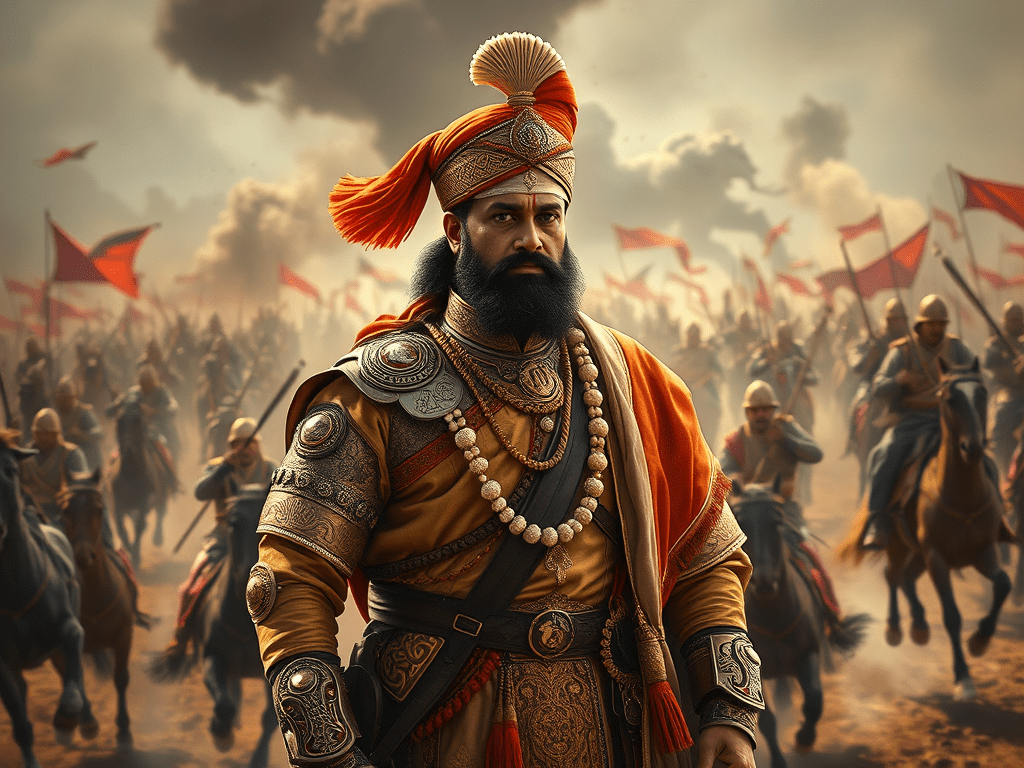
Mughal Empire: Babur
26,366 views
1. Introduction to Babur and the Mughal Empire The Mughal Empire (1526–1857 CE) was one of the most significant dynasties in Indian history, known for its political, cultural, and architectural contributions. Founded by Zahir-ud-Din Muhammad Babur, a descendant of Timur (Tamerlane) and Genghis Khan, the empire marked the beginning of a centralized, culturally syncretic rule…
-
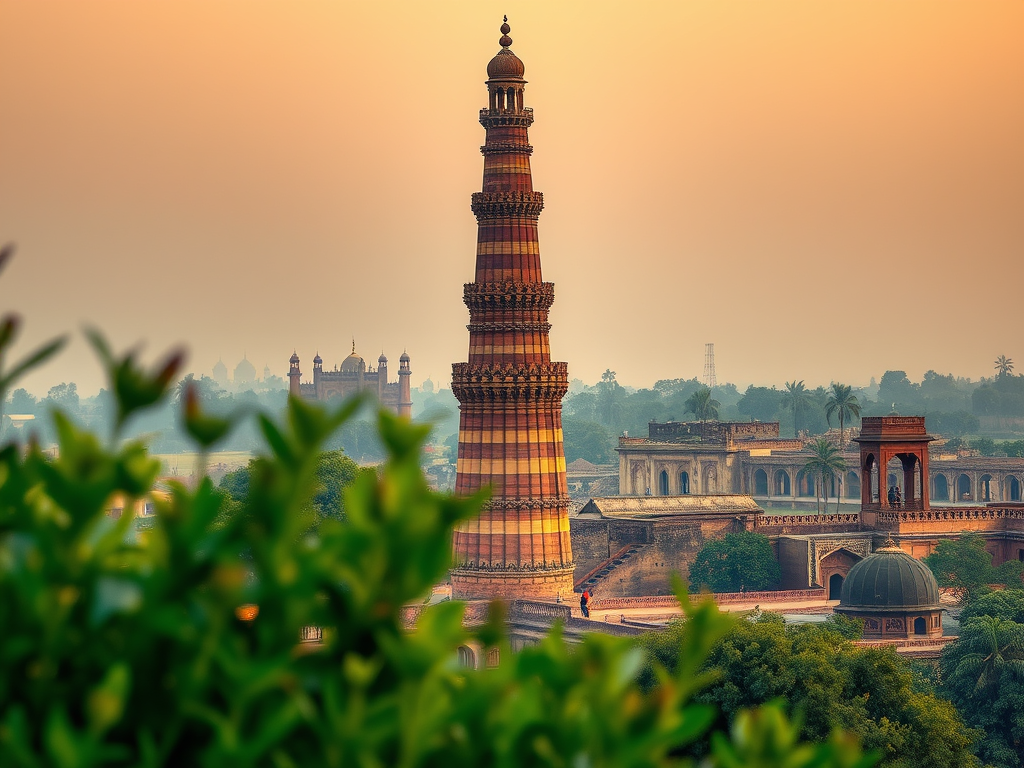
Starting of the Delhi Sultanate & Slave Dynasty (UPSC/BPSC Prelims & Mains)
26,366 views
OverviewThe Delhi Sultanate (1206–1526 CE) was a series of Muslim dynasties that ruled northern India, marking the beginning of sustained Islamic rule in the subcontinent. Established after the Second Battle of Tarain (1192 CE), it centralized power in Delhi and introduced Persianate administrative, cultural, and military systems. The Slave Dynasty (1206–1290 CE), also known as…
