
Overview
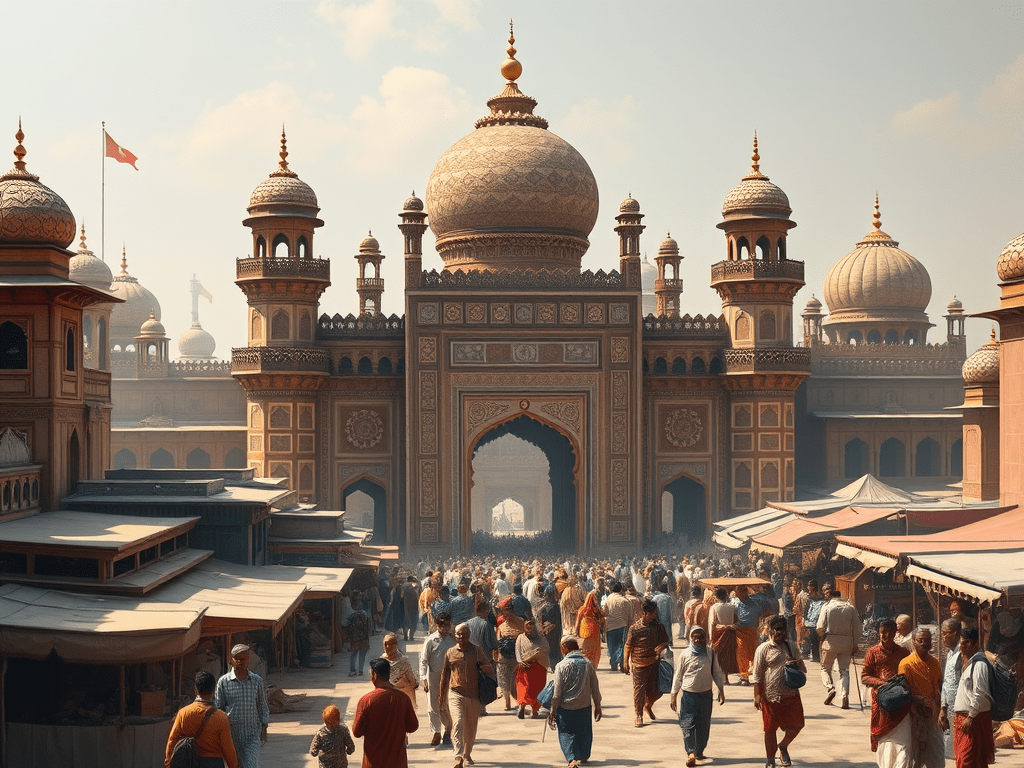
The Khalji Dynasty (1290–1320 CE), the second dynasty of the Delhi Sultanate, was a period of aggressive expansion, administrative reforms, and cultural synthesis under rulers of Turkic-Afghan origin. Founded by Jalal-ud-din Khalji after overthrowing the Slave Dynasty, it reached its zenith under Alauddin Khalji, known for his military conquests, market reforms, and resistance to Mongol invasions. The Khaljis expanded the Sultanate across northern, central, and southern India, introducing innovative governance systems and Indo-Islamic architecture. For UPSC, this is a core topic in Medieval Indian History (Prelims) and Indian Heritage and Culture (Mains GS Paper I). For BPSC, the Khalji impact on Bihar is significant due to their campaigns (e.g., Bakhtiyar Khalji’s conquests) and administrative integration of the region.
1. Historical Context
- Background:
- The Khalji Dynasty succeeded the Slave Dynasty (1206–1290 CE) amid internal instability and Mongol threats.
- Jalal-ud-din Khalji, a Turkish noble, overthrew the last Mamluk ruler, Muiz-ud-din Qaiqabad, in 1290 CE, establishing Khalji rule.
- The Khaljis, unlike the Mamluks, were not slaves but free-born Turks with Afghan affiliations, broadening the ruling elite beyond the Turkish Chahalgani.
- Timeline: 1290–1320 CE.
- Key Rulers:
- Jalal-ud-din Khalji (1290–1296 CE): Founder, lenient ruler.
- Alauddin Khalji (1296–1316 CE): Greatest ruler, military and economic reformer.
- Qutb-ud-din Mubarak Shah (1316–1320 CE): Weak ruler, led to dynasty’s fall.
- Geographical Extent: At its peak under Alauddin, covered northern India (Punjab to Bengal), parts of Rajasthan, Gujarat, Malwa, Deccan, and southern India (up to Madurai).
- Decline: Ended in 1320 CE when Ghiyas-ud-din Tughlaq killed Mubarak Shah, founding the Tughlaq Dynasty.
- Sources:
- Chronicles: Tarikh-i-Firoz Shahi (Ziauddin Barani), Khazain-ul-Futuh (Amir Khusrau).
- Inscriptions: Alai Darwaza, Siri Fort (Delhi).
- Archaeological Sites: Qutb Complex (Alai Darwaza), Siri Fort, Hauz Khas.
- Literature: Amir Khusrau’s poetry, Tughlaq Nama.
Details to Memorize:
- Timeline: 1290–1320 CE.
- Rulers: Jalal-ud-din (1290–1296 CE), Alauddin (1296–1316 CE), Mubarak Shah (1316–1320 CE).
- Sources: Tarikh-i-Firoz Shahi, Amir Khusrau, Alai Darwaza.
2. Key Rulers and Achievements
- Jalal-ud-din Khalji (1290–1296 CE):
- Rise to Power: Overthrew Qaiqabad (Slave Dynasty) at Kilokhri (Delhi), moved capital to Delhi.
- Administration: Lenient ruler, avoided harsh punishments, retained Mamluk nobles.
- Conquests:
- Suppressed rebellions (e.g., Malik Chhajju, 1292 CE).
- Raided Bhilsa (Malwa, 1293 CE), capturing wealth but not annexing.
- Challenges:
- Faced Mongol invasion (1292 CE), repelled but settled some Mongols (neo-Muslims) in Delhi.
- Criticized for leniency by nobles, leading to his murder.
- Death: Killed by nephew Alauddin Khalji (1296 CE) near Kara (Uttar Pradesh) after Alauddin’s unauthorized Devgiri raid.
- Legacy: Stabilized Sultanate, but weak rule prompted Alauddin’s coup.
- Alauddin Khalji (1296–1316 CE):
- Rise to Power: Usurped throne after killing Jalal-ud-din, consolidated power by eliminating rivals (e.g., Jalal-ud-din’s family).
- Conquests:
- Northern India:
- Gujarat (1299 CE): Defeated Vaghela king, annexed; captured wealth, enslaved Malik Kafur.
- Ranthambore (1301 CE): Defeated Chauhan Rajputs (Hammir Deva).
- Chittor (1303 CE): Defeated Sisodia Rajputs (Ratnasimha); linked to Padmavati legend (per Padmavat, not historical).
- Malwa (1305 CE): Annexed, defeated Rai Mahalak Deo.
- Deccan and South India (via Malik Kafur):
- Devgiri (1307 CE): Forced Yadava king Ramachandra to pay tribute.
- Warangal (1310 CE): Defeated Kakatiya king Prataparudra, acquired Koh-i-Noor diamond.
- Dwarasamudra (1311 CE): Defeated Hoysala king Ballala III.
- Madurai (1311 CE): Raided Pandya kingdom, extracted tribute.
- Mongol Defense: Repelled invasions (1299–1308 CE) by Qutlugh Khwaja, Iqbalmand, and others; fortified northwest frontier.
- Northern India:
- Administration:
- Centralized rule, curbed nobles’ power (confiscated wealth, banned assemblies).
- Revenue Reforms:
- Land revenue: 50% of produce (kharaj), measured land (masahat).
- Abolished intermediaries (khuts, muqaddams), direct tax collection.
- Imposed ghari (house tax) and charai (pasturage tax).
- Market Reforms:
- Controlled prices of essentials (grains, cloth, horses) to maintain army.
- Established markets: Sarai Adl (grains), mandis (cloth, horses).
- Appointed shahna-i-mandi (market regulator), diwan-i-riyasat (commerce overseer).
- Military Reforms:
- Maintained standing army, paid in cash (not iqtas).
- Introduced dagh (horse branding) and chehra (soldier description) to prevent fraud.
- Built Siri Fort (Delhi) as military base.
- Iqta System: Refined, with strict oversight to prevent iqtadars’ autonomy.
- Architectural Contributions:
- Alai Darwaza (Qutb Complex, 1311 CE): Red sandstone, horseshoe arches, Indo-Islamic style.
- Siri Fort (Delhi): Second city of Delhi, with palace (Hazar Sutun).
- Hauz Khas: Water reservoir for Siri.
- Expanded Jam-i-Kamali Mosque (Qutb Complex).
- Cultural Patronage:
- Patronized Amir Khusrau (poet, musician, invented sitar and tabla, per tradition) and Amir Hasan Sijzi.
- Promoted Persian literature (Khazain-ul-Futuh).
- Death: Died in 1316 CE, possibly poisoned by Malik Kafur, leading to succession crisis.
- Qutb-ud-din Mubarak Shah (1316–1320 CE):
- Rise: Alauddin’s son, seized throne after Malik Kafur’s brief regency.
- Rule:
- Reversed Alauddin’s strict policies (e.g., lifted market controls, released prisoners).
- Weak administrator, indulged in luxury, alienated nobles.
- Suppressed rebellions (e.g., Devgiri, 1317 CE).
- Death: Murdered by his general Khusrau Khan (1320 CE), a Hindu convert, ending Khalji rule.
- Legacy: His weakness enabled Ghiyas-ud-din Tughlaq’s rise.
- Bihar Connection:
- Bakhtiyar Khalji (late 12th–early 13th century CE, under Slave Dynasty but Khalji by origin):
- Conquered Bihar (1197–1203 CE), destroyed Nalanda and Vikramshila universities.
- Established iqta in Lakhnauti (Bengal-Bihar), impacting Bihar’s administration.
- Alauddin integrated Bihar firmly into Sultanate, appointing governors and collecting revenue.
- Bakhtiyar Khalji (late 12th–early 13th century CE, under Slave Dynasty but Khalji by origin):
Details to Memorize:
- Rulers: Jalal-ud-din (1290–1296 CE), Alauddin (1296–1316 CE), Mubarak Shah (1316–1320 CE).
- Conquests: Gujarat (1299), Chittor (1303), Warangal (1310), Madurai (1311).
- Reforms: Market control, dagh, chehra, kharaj (50%).
- Architecture: Alai Darwaza, Siri Fort, Hauz Khas.
- Bihar: Bakhtiyar Khalji, Nalanda destruction.
3. Administration
- Central Administration:
- King as absolute ruler, titled Sultan, blending Persian (Zill-i-Ilahi) and Islamic authority.
- Key Departments:
- Diwan-i-wizarat: Finance, revenue, headed by wazir.
- Diwan-i-arz: Military, expanded by Alauddin.
- Diwan-i-insha: Correspondence, royal decrees.
- Diwan-i-risalat: Religious affairs, foreign relations.
- Nobles’ power curbed (Alauddin), replaced Chahalgani with loyal officers.
- Provincial Administration:
- Iqta System: Refined by Alauddin.
- Iqtadars (governors) assigned land for revenue collection, military service.
- Strict audits by diwan-i-wizarat to prevent corruption.
- Large iqtas (e.g., Bihar, Bengal) managed by trusted generals.
- Provinces (wilayats): Governors (wali, muqti) reported to Delhi.
- Iqta System: Refined by Alauddin.
- Revenue System:
- Alauddin’s Reforms:
- Fixed land revenue at 50% (kharaj), based on land measurement (masahat).
- Eliminated intermediaries (khuts, muqaddams), direct collection by state officials (amil).
- Additional taxes: ghari (house), charai (cattle).
- Non-Muslims paid jizya (poll tax, enforced strictly).
- Revenue used for standing army, market control, and public works (e.g., Hauz Khas).
- Alauddin’s Reforms:
- Military:
- Standing army: Paid in cash, largest under Alauddin (~300,000 troops, per Barani).
- Reforms:
- Dagh: Branded horses to prevent fraud.
- Chehra: Recorded soldiers’ identities.
- Huliya: Descriptive rolls for troops.
- Forts: Siri (Delhi), Chittor, Ranthambore strengthened.
- Judicial System:
- Based on Sharia for Muslims, customary law for Hindus.
- Qazi-ul-quzat (chief judge) oversaw courts; muhtasibs enforced moral laws.
- Alauddin’s personal justice: Harsh punishments (e.g., mutilation for rebels).
- Market Control (Alauddin):
- Fixed prices for essentials (grains, cloth, horses, slaves).
- Established Sarai Adl (grain market), regulated by shahna-i-mandi.
- Hoarding banned, supply ensured via state granaries.
- Spies (barids) monitored compliance.
- Bihar Connection:
- Bihar as an iqta, governed by Khalji generals (e.g., Lakhnauti).
- Revenue reforms applied, integrating Bihar into Sultanate economy.
- Sufi centers (e.g., Maner Sharif precursors) began under Khalji patronage.
Details to Memorize:
- Administration: Iqta, diwan-i-arz, wazir.
- Revenue: Kharaj (50%), ghari, charai, jizya.
- Military: Dagh, chehra, Siri Fort.
- Market: Sarai Adl, shahna-i-mandi.
- Bihar: Iqta, revenue reforms, Sufi beginnings.
4. Socio-Cultural Impact
- Cultural Synthesis:
- Indo-Islamic Architecture: Alai Darwaza, Siri Fort blended Islamic arches, domes with Indian carvings (e.g., lotus motifs).
- Literature: Amir Khusrau’s works (Khazain-ul-Futuh, Tughlaq Nama) enriched Persian poetry; introduced qawwali and Hindavi (early Urdu).
- Music: Khusrau credited with sitar, tabla, and Indo-Persian fusion (not fully historical).
- Religion:
- Islam dominant among elites; Hinduism prevalent in rural areas.
- Sufism: Chisti (e.g., Nizamuddin Auliya in Delhi) and Suhrawardi orders promoted syncretism.
- Alauddin’s pragmatic tolerance: Hindus retained panchayats, paid jizya.
- Society:
- Turkish-Afghan elites ruled; Hindus in administration (e.g., revenue officials).
- Urbanization: Delhi’s second city (Siri), markets (bazaars), and waterworks (Hauz Khas).
- Slavery: Widespread, with slaves in army (bandagan) and markets.
- Bihar Connection:
- Sufi influence grew, with Chisti saints laying groundwork for later Bihar Sufis (e.g., Sharafuddin Maneri).
- Destruction of Buddhist centers (Nalanda, Vikramshila) by Bakhtiyar Khalji shifted Bihar to Hindu-Islamic culture.
Details to Memorize:
- Culture: Indo-Islamic architecture, Amir Khusrau, qawwali.
- Religion: Sufism (Chisti), jizya tolerance.
- Society: Urbanization, slavery.
- Bihar: Sufi growth, Buddhist decline.
5. Significance and Legacy
- Political:
- Expanded Sultanate to Deccan and South India, setting precedent for Tughlaqs.
- Alauddin’s reforms strengthened centralized monarchy, curbing feudalism.
- Economic:
- Market and revenue reforms stabilized economy, supported large army.
- Trade flourished via Delhi’s link to Silk Road and southern ports (Gujarat).
- Cultural:
- Indo-Islamic architecture (Alai Darwaza) influenced Tughlaq and Mughal styles.
- Amir Khusrau’s literary and musical contributions shaped Indo-Persian culture.
- Bihar’s Role:
- Firmly integrated into Sultanate as iqta, with revenue and military contributions.
- Early Sufi presence laid foundations for Bihar’s Islamic cultural identity.
- Legacy:
- Alauddin’s administrative model (market control, standing army) influenced Tughlaqs and Mughals.
- Khalji conquests expanded Islamic rule, paving way for pan-Indian empires.
Details to Memorize:
- Significance: Expansion, centralization, Indo-Islamic culture.
- Bihar: Iqta, Sufi foundations.
- Legacy: Market reforms, architectural influence, Mughal continuity.
6. Key Memorization Points
- Khalji Dynasty:
- Timeline: 1290–1320 CE.
- Rulers: Jalal-ud-din (1290–1296 CE), Alauddin (1296–1316 CE), Mubarak Shah (1316–1320 CE).
- Decline: 1320 CE, Tughlaq coup.
- Conquests:
- Northern: Gujarat (1299), Chittor (1303), Malwa (1305).
- Southern: Devgiri (1307), Warangal (1310), Madurai (1311).
- Mongols: Repelled (1299–1308 CE).
- Administration:
- Revenue: Kharaj (50%), ghari, charai.
- Military: Dagh, chehra, standing army.
- Market: Sarai Adl, price control.
- Iqta: Strict oversight.
- Architecture: Alai Darwaza, Siri Fort, Hauz Khas.
- Culture: Amir Khusrau, Sufism (Chisti), Indo-Islamic fusion.
- Bihar: Bakhtiyar Khalji (Nalanda), iqta, Sufi beginnings.
7. Practice Questions for Retention
- Prelims (MCQ):
- Q: The Khalji Dynasty was founded by:
A: Jalal-ud-din Khalji. - Q: Alai Darwaza was built by:
A: Alauddin Khalji. - Q: Who introduced market price control in Delhi Sultanate?
A: Alauddin Khalji. - Q: Bakhtiyar Khalji is associated with the destruction of:
A: Nalanda University.
- Q: The Khalji Dynasty was founded by:
- Mains:
- Q: Discuss the administrative and military reforms of Alauddin Khalji. (15 marks)
- Q: Evaluate the Khalji Dynasty’s contributions to Indo-Islamic culture. (10 marks)
- Q: Analyze the impact of Khalji rule on Bihar’s socio-cultural landscape. (10 marks)
8. Recommended Resources
- NCERT:
- Themes in Indian History-II (Class 12): Chapter 5, Delhi Sultanate.
- Download: ncert.nic.in.
- NIOS:
- Indian Culture and Heritage (Code 223): Medieval India.
- Download: nios.ac.in.
- IGNOU:
- EHI-03: India from 8th to 15th Century.
- Download: egyankosh.ac.in.
- Books:
- A History of Medieval India by Satish Chandra.
- The Delhi Sultanate by Peter Jackson.
- Advanced Study in the History of Medieval India by J.L. Mehta.
9. Why This Topic Matters
- UPSC: Essential for Prelims (rulers, reforms, conquests) and Mains (GS I: governance, culture, Indo-Islamic synthesis).
- BPSC: Critical for understanding Bihar’s integration into the Sultanate and its cultural shift (Nalanda destruction, Sufism).
- Memorization Value: Factual (rulers, reforms) and analytical (expansion, cultural impact) aspects suit both exams.


Leave a comment