

Tag: history
-
Mahatma Gandhi
80,869 views
Mahatma Gandhi — The Charkha & the Gospel of Swadeshi | CrackTarget CT CrackTarget Life Movements Philosophy Charkha Legacy Exam Hub Modern India • Freedom Struggle • Philosophy Mahatma Gandhi The Man, the Charkha & the Gospel of Swadeshi From a shy lawyer in London to the Father of the Nation — explore how Mohandas…
-
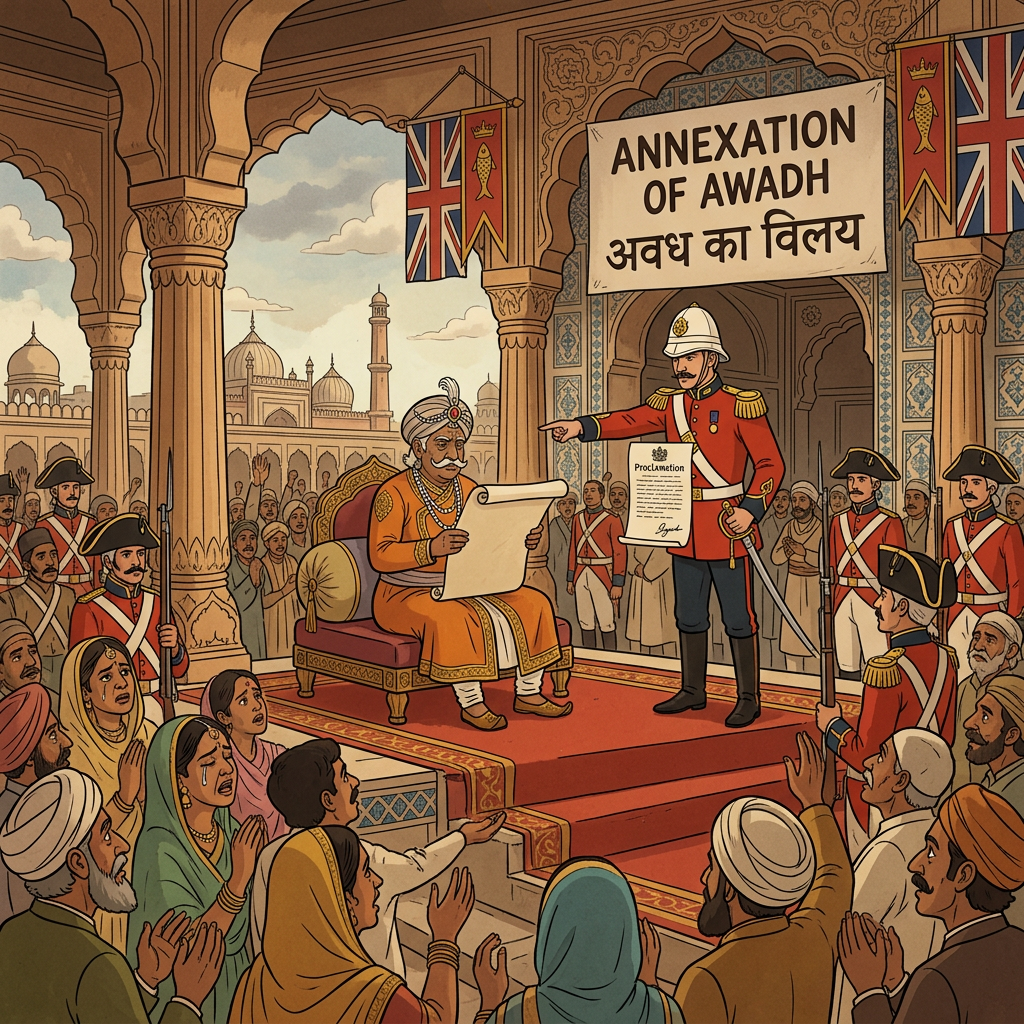
British policy in Awadh immediately after its annexation in 1856
80,869 views
✅ UPSC CSE 2026 | Modern History – Revolt of 1857 (Awadh Annexation) Question: Consider the following statements regarding the British policy in Awadh immediately after its annexation in 1856: Which of the statements given above is/are correct? (a) 2 and 3 only(b) 1 and 3 only(c) 1, 2 and 3(d) 2 only ✅ Correct…
-
Dynasty in early historical Tamilakam
80,869 views
Senguttuvan-Chera, Udiyanjerai-Chola, Nedunjeliyan-Pandya | Which Pair is NOT Correctly Matched? | Sangam Tamilakam MCQ with Detailed Explanation | CrackTarget CT CrackTarget UPSC • BPSC • DRDO Home History Notes PYQs Mock Tests Telegram Free for Aspirants Home History Notes PYQs & One-Liners Join Telegram Channel Home / Ancient History / Sangam Age – Tamilakam Kings…
-

Amaravati Stupa
80,869 views
✅ UPSC CSE 2026 | Art & Culture – Amaravati Stupa Question: Which of the following statements on the Amaravati Stupa and its relief sculpture is/are correct? Select the answer using the code given below:(a) 1 only(b) 1 and 3 only(c) 2 and 3 only(d) 1, 2 and 3 ✅ Correct Answer: (b) 1 and…
-

What does an empty seat represent in early Buddhist iconography?
80,869 views
What does an empty seat represent in early Buddhist iconography? Correct Answer: (a) The meditation of the Buddha Detailed Explanation (NCERT-Based | 100% Accurate) This is a high-yield conceptual question from Early Buddhist Art (Aniconic Phase). Source: NCERT Class 12 – Themes in Indian History Part-I, Chapter 4: Thinkers, Beliefs and Buildings “Many early sculptors…
-
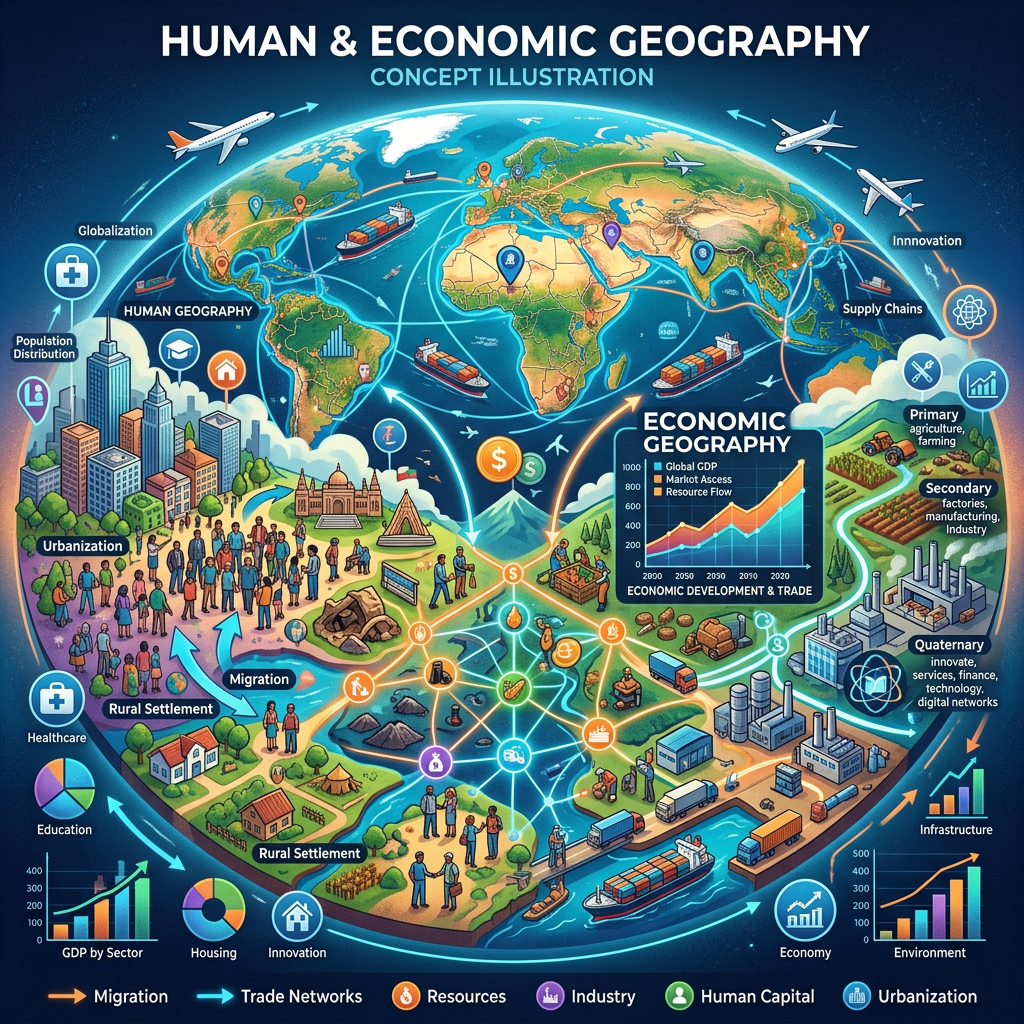
Human & Economic Geography
80,869 views
Human & Economic Geography – 50 Interactive MCQs | UPSC, BPSC 2026 | CrackTarget Human & Economic Geography 50 Interactive MCQs with Instant Feedback + Detailed Explanations ✅ UPSC CSE GS-1 ✅ BPSC & State PCS ✅ Updated June 2026 Click on any option to check your answer. Correct answer will be highlighted in green…
-

Introduction to the Contract Labour (Regulation and Abolition) Act, 1970
80,869 views
Contract Labour (Regulation and Abolition) Act, 1970 The Contract Labour (Regulation and Abolition) Act, 1970 (CLRA Act) is a central Indian legislation enacted on September 5, 1970, and effective from February 10, 1971. It was introduced to regulate the employment of contract labour in certain establishments, prevent their exploitation, and provide for the abolition of…
-
Introduction to the Mines Act, 1952
80,869 views
Introduction to the Mines Act, 1952 | CrackTarget CrackTarget Home Labour Laws All Study Material UPSC EPFO • BPSC • DRDO SAO Updated July 2026 Mines Act, 1952 The Cornerstone of Mine Safety & Labour Welfare in India Enacted: 1 July 1952 Repealed: 21 Nov 2025 (OSH Code) 10 CHAPTERS 88 SECTIONS 1952 ENACTED ✓…
-

Introduction to the Plantation Labour Act, 1951
80,869 views
Introduction to the Plantation Labour Act, 1951 The Plantation Labour Act, 1951 (PLA) is a key Indian labour law enacted to regulate working conditions, provide welfare measures, and ensure the health and safety of workers in plantations. It was introduced to address issues like poor living conditions, lack of medical facilities, and inadequate welfare in…
-

Study Material on the Payment of Gratuity Act, 1972
80,869 views
Comprehensive Study Material on the Payment of Gratuity Act, 1972 The Payment of Gratuity Act, 1972 is a significant piece of Indian labor legislation designed to provide financial security to employees upon the termination of their employment. It mandates the payment of gratuity as a form of recognition for long-term service. This study material is…
You must be logged in to post a comment.