
Overview
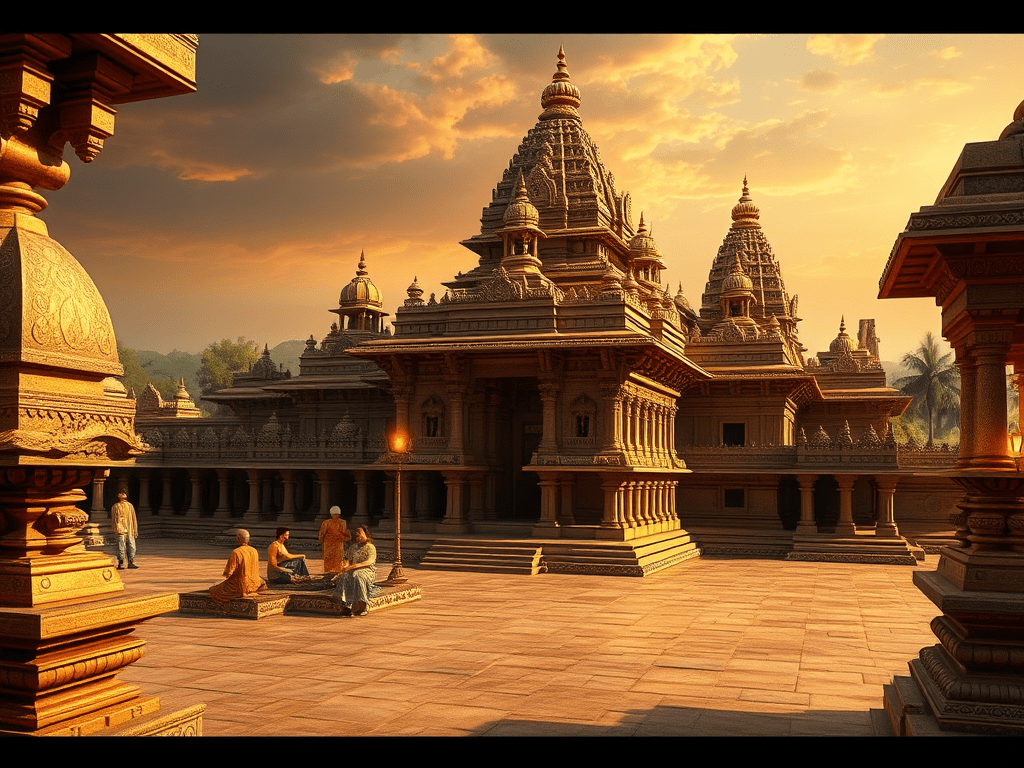
The Satavahana dynasty (circa 2nd century BCE–3rd century CE) was a prominent post-Mauryan dynasty that ruled the Deccan region of India, with key centers in Pratishthana (modern Paithan, Maharashtra) and Amaravati (Andhra Pradesh). Emerging after the decline of the Mauryan Empire (~185 BCE), the Satavahanas played a crucial role in stabilizing central and southern India, fostering trade, and promoting a blend of Brahmanical, Buddhist, and Jain traditions. Their administration, economy, and cultural contributions, particularly in art and architecture (e.g., Amaravati and Sanchi stupas), are significant for UPSC (Ancient Indian History, Prelims; Indian Heritage and Culture, Mains GS Paper I) and BPSC (post-Mauryan context and regional history). While not directly tied to Bihar, their trade links with Magadha and influence on Buddhist art make them relevant for BPSC aspirants.
1. Historical Context and Origin
- Timeline: Ruled from 2nd century BCE (possibly 230 BCE or later) to ~3rd century CE (220 CE). Exact dates are debated due to varied sources.
- Origin: Emerged in the Deccan after the Mauryan decline (~185 BCE). Likely started as feudatories of the Mauryas in the Godavari-Krishna region.
- Founders: The first prominent ruler was Simuka (or Sindhuka), who established the dynasty. The Puranas (e.g., Matsya Purana) list Simuka as the founder, followed by Krishna.
- Geographical Extent: Controlled central and southern India, including modern Maharashtra, Andhra Pradesh, Telangana, Madhya Pradesh, and parts of Gujarat, Karnataka, and Odisha.
- Capitals:
- Pratishthana (Paithan, Maharashtra): Primary political center.
- Amaravati (Andhra Pradesh): Cultural and religious hub.
- Sources:
- Puranas (Matsya, Vayu, Vishnu): List Satavahana kings and reigns.
- Inscriptions: Nanaghat (Maharashtra, by Naganika), Nasik (by Gautamiputra Satakarni), Amaravati, and Hathigumpha (Kharavela’s, mentions Satavahanas).
- Coins: Silver and lead coins with royal names (e.g., Satakarni, Vasisthiputra).
- Archaeological Sites: Amaravati, Nagarjunakonda, Bhaja, Karle caves.
- Greek Accounts: Periplus of the Erythraean Sea (1st century CE) describes Deccan trade.
Details to Memorize:
- Timeline: 2nd century BCE–3rd century CE (230 BCE–220 CE).
- Founder: Simuka, followed by Krishna.
- Capitals: Pratishthana (Paithan), Amaravati.
- Territories: Maharashtra, Andhra Pradesh, Telangana, Madhya Pradesh, Gujarat, Karnataka, Odisha.
- Sources: Puranas, Nanaghat/Nasik inscriptions, coins, Periplus, archaeological sites.
2. Political History and Key Rulers
- Early Rulers:
- Simuka (~230 BCE): Founded the dynasty, overthrew Kanva dynasty remnants.
- Krishna: Consolidated power in the Godavari valley.
- Satakarni I (~2nd century BCE): Expanded the empire, performed Ashvamedha sacrifices (Nanaghat inscription by queen Naganika). Fought Kalinga’s Kharavela (Hathigumpha inscription).
- Peak Period:
- Gautamiputra Satakarni (~1st century CE, ~80–110 CE): Greatest Satavahana ruler.
- Defeated the Western Kshatrapas (Sakas) under Nahapana, reclaiming Malwa, Gujarat, and Maharashtra (Nasik inscription).
- Titles: Trisamudrapati (Lord of Three Seas), Ekabrahmana (devout Brahmin).
- Restored Satavahana power after Saka and Indo-Greek invasions.
- Vasisthiputra Pulumavi (~110–138 CE): Consolidated Gautamiputra’s conquests, expanded trade with Rome (Periplus mentions his reign).
- Gautamiputra Satakarni (~1st century CE, ~80–110 CE): Greatest Satavahana ruler.
- Later Rulers:
- Yajna Sri Satakarni (~2nd century CE): Last major ruler, known for maritime trade and coinage (ship motifs). Ruled during Roman trade peak.
- Decline: By ~220 CE, weakened by internal strife and invasions by Sakas and Abhiras.
- Conflicts:
- Fought Western Kshatrapas (Sakas) under Nahapana and Rudradaman I.
- Engaged with Kalinga’s Kharavela (Hathigumpha inscription mentions conflict with Satakarni).
- Faced Indo-Greeks and later Guptas.
Details to Memorize:
- Early Rulers: Simuka, Krishna, Satakarni I (Ashvamedha, Nanaghat).
- Peak Ruler: Gautamiputra Satakarni (~80–110 CE, defeated Nahapana, Nasik inscription).
- Later Rulers: Vasisthiputra Pulumavi, Yajna Sri Satakarni (~220 CE).
- Conflicts: Sakas (Nahapana, Rudradaman I), Kharavela (Kalinga), Indo-Greeks.
- Titles: Trisamudrapati, Ekabrahmana (Gautamiputra).
3. Administration
- Monarchy: Centralized rule under a king, advised by a council of ministers (amatyas). Queens like Naganika (Satakarni I’s wife) held influence (Nanaghat inscription).
- Provincial Administration:
- Divided into janapadas (provinces), governed by amatyas or mahasenapatis (military governors).
- Aharas: Smaller administrative units within provinces, managed by local officials.
- Local Administration:
- Gramas: Villages led by gramikas (headmen).
- Nigamas: Towns with guilds (srenis) managing trade and urban affairs.
- Revenue System:
- Taxes: Bhaga (land tax, 1/6th–1/4th of produce), trade taxes, and fines.
- Officials: Bhandagarikas (treasurers), samahartas (revenue collectors).
- Land Grants: To Brahmins and Buddhist monasteries (Nasik inscription).
- Military:
- Maintained a standing army with infantry, cavalry, and elephants.
- Forts and garrisons protected trade routes and borders (e.g., against Sakas).
- Judicial System:
- Based on customary laws and Dharmashastras.
- Kings and amatyas adjudicated disputes; villages resolved minor issues locally.
- Influence of Mauryan Model:
- Adopted Mauryan administrative practices (e.g., amatyas, revenue collection).
- Unlike Mauryas, Satavahanas allowed greater local autonomy to guilds and villages.
Details to Memorize:
- Monarchy: King, amatyas, queens (e.g., Naganika).
- Provinces: Janapadas (amatyas), aharas.
- Local: Gramas (gramikas), nigamas (guilds).
- Revenue: Bhaga, trade taxes, land grants (Nasik).
- Officials: Bhandagarikas, samahartas.
- Military: Infantry, cavalry, elephants, forts.
- Judiciary: Dharmashastras, local resolution.
4. Economy and Trade
- Agriculture:
- Fertile Godavari-Krishna valleys supported rice, cotton, and sugarcane.
- Irrigation systems (canals, tanks) enhanced productivity.
- Trade:
- Major trade centers: Pratishthana, Tagara, Nasik, Broach (Barygaza).
- Internal Trade: Connected Deccan with north (Magadha) and west (Saka territories).
- Maritime Trade: Ports like Sopara, Kalyan, and Bharukaccha (Broach) linked with Rome, Southeast Asia, and Arabia (Periplus of the Erythraean Sea).
- Exports: Cotton textiles, spices, pearls, semi-precious stones.
- Imports: Wine, glass, metals from Rome.
- Coinage:
- Issued silver, lead, and copper coins with royal names (e.g., Satakarni, Pulumavi).
- Motifs: Ujjain symbol, ships (Yajna Sri Satakarni), elephants.
- Guilds (Srenis):
- Organized artisans and merchants, managing trade and urban economies.
- Supported by royal grants (Nasik inscription).
Details to Memorize:
- Agriculture: Rice, cotton, sugarcane; irrigation.
- Trade Centers: Pratishthana, Tagara, Nasik, Broach.
- Ports: Sopara, Kalyan, Bharukaccha.
- Trade: Rome, Southeast Asia, Arabia (Periplus).
- Exports: Textiles, spices, pearls.
- Imports: Wine, glass, metals.
- Coins: Silver, lead, copper; Ujjain symbol, ships.
- Guilds: Srenis (Nasik inscription).
5. Religion and Culture
- Religious Policy:
- Patronized Brahmanism: Performed Vedic rituals like Ashvamedha (Satakarni I, Nanaghat).
- Supported Buddhism: Donated to monasteries at Nasik, Karle, Bhaja, and Amaravati.
- Tolerated Jainism: Evidence of Jain presence in Deccan.
- Queens like Naganika and Gautami Balasri (Gautamiputra’s mother) supported Buddhist and Brahmanical causes.
- Language and Literature:
- Official language: Prakrit (inscriptions in Brahmi script).
- Sanskrit used in Vedic rituals.
- Contributed to early Prakrit literature, influencing later works like Gatha Saptasati by Hala (Satavahana king).
- Cultural Synthesis:
- Blended Vedic, Buddhist, and local traditions.
- Promoted cosmopolitan culture through trade with Rome and Southeast Asia.
Details to Memorize:
- Religions: Brahmanism (Ashvamedha), Buddhism (Nasik, Karle), Jainism.
- Patrons: Naganika, Gautami Balasri.
- Language: Prakrit (Brahmi), Sanskrit (rituals).
- Literature: Gatha Saptasati (Hala).
- Culture: Vedic-Buddhist synthesis.
6. Art and Architecture
- Stupas:
- Amaravati Stupa (Andhra Pradesh): Major Buddhist center with intricate limestone carvings depicting Jataka tales and Buddha’s life.
- Sanchi Stupa (Madhya Pradesh): Expanded under Satavahanas, with ornate toranas (gateways).
- Bharhut Stupa: Supported by Satavahanas, featuring narrative reliefs.
- Rock-Cut Caves:
- Nasik, Karle, Bhaja, Kanheri (Maharashtra): Buddhist monasteries (viharas) and prayer halls (chaityas) with carved facades, pillars, and stupas.
- Features: Polished interiors, barrel-vaulted ceilings, and Buddhist iconography.
- Artistic Features:
- Narrative reliefs: Jataka stories, lotus motifs, yakshas/yakshis.
- Transition from Mauryan polished stone to detailed carvings.
- Influenced Gupta and Amaravati art schools.
- Bihar Connection:
- Satavahana trade with Magadha linked to Buddhist sites like Bodh Gaya.
- Artistic styles (e.g., Sanchi) show continuity with Mauryan art.
Details to Memorize:
- Stupas: Amaravati, Sanchi (toranas), Bharhut.
- Caves: Nasik, Karle, Bhaja, Kanheri.
- Features: Jataka reliefs, lotus motifs, polished interiors.
- Influence: Gupta, Amaravati schools.
- Bihar Link: Trade with Magadha, Bodh Gaya.
7. Decline and Legacy
- Decline (~220 CE):
- Weak successors after Yajna Sri Satakarni.
- Invasions by Western Kshatrapas (Sakas) and Abhiras.
- Rise of regional powers: Vakatakas (Deccan), Pallavas (South).
- Legacy:
- Stabilized Deccan after Mauryan decline, fostering trade and culture.
- Buddhist patronage: Amaravati and Sanchi stupas influenced later Indian art.
- Brahmanical revival: Strengthened Vedic traditions, paving way for Gupta period.
- Trade: Enhanced India’s maritime links with Rome and Southeast Asia.
- Bihar Relevance: Trade connections with Magadha and shared Buddhist art traditions.
Details to Memorize:
- Decline: ~220 CE, Sakas, Abhiras, Vakatakas, Pallavas.
- Legacy: Deccan stability, Buddhist art, trade, Vedic revival.
- Bihar Link: Magadha trade, Buddhist art continuity.
8. Key Memorization Points
- Chronology:
- Dynasty: 2nd century BCE–3rd century CE (230 BCE–220 CE).
- Key Rulers: Simuka, Satakarni I, Gautamiputra Satakarni (~80–110 CE), Vasisthiputra Pulumavi, Yajna Sri Satakarni.
- Political:
- Capitals: Pratishthana, Amaravati.
- Territories: Maharashtra, Andhra Pradesh, Telangana, Madhya Pradesh, Gujarat.
- Conflicts: Sakas (Nahapana), Kharavela, Indo-Greeks.
- Inscriptions: Nanaghat (Naganika), Nasik (Gautamiputra).
- Administration:
- Monarchy: King, amatyas, queens.
- Provinces: Janapadas, aharas.
- Local: Gramikas, srenis (guilds).
- Revenue: Bhaga, trade taxes, land grants.
- Economy:
- Agriculture: Rice, cotton, irrigation.
- Trade: Rome, Southeast Asia; ports (Sopara, Bharukaccha).
- Coins: Silver, lead; Ujjain symbol, ships.
- Religion:
- Brahmanism (Ashvamedha), Buddhism (Nasik, Amaravati), Jainism.
- Patrons: Naganika, Gautami Balasri.
- Art:
- Stupas: Amaravati, Sanchi, Bharhut.
- Caves: Nasik, Karle, Bhaja, Kanheri.
- Features: Jataka reliefs, lotus motifs.
- Sources:
- Puranas, Nanaghat/Nasik inscriptions, Periplus, coins, caves.
9. Practice Questions for Retention
- Prelims (MCQ):
- Q: The Satavahana capital was:
A: Pratishthana. - Q: Who defeated the Saka ruler Nahapana?
A: Gautamiputra Satakarni. - Q: Which inscription describes Satakarni I’s Ashvamedha?
A: Nanaghat. - Q: The Amaravati Stupa is associated with:
A: Satavahanas.
- Q: The Satavahana capital was:
- Mains:
- Q: Discuss the administrative and economic contributions of the Satavahanas in post-Mauryan India. (15 marks)
- Q: Evaluate the Satavahanas’ role in promoting Buddhist art and architecture. (10 marks)
- Q: Analyze the Satavahanas’ trade relations and their impact on Deccan’s prosperity. (15 marks)
10. Recommended Resources
- NCERT:
- Themes in Indian History-I (Class 11): Chapter 2, Post-Mauryan kingdoms.
- Download: ncert.nic.in.
- NIOS:
- Indian Culture and Heritage (Code 223): Satavahana art.
- Download: nios.ac.in.
- IGNOU:
- EHI-02: Post-Mauryan dynasties.
- Download: egyankosh.ac.in.
- Books:
- India’s Ancient Past by R.S. Sharma.
- Early India by Romila Thapar.
- The Satavahanas and the Western Kshatrapas by H. Ray.
11. Why This Topic Matters
- UPSC: Key for Prelims (rulers, inscriptions, art) and Mains (GS I: post-Mauryan governance, culture).
- BPSC: Relevant for trade links with Magadha and shared Buddhist art traditions.
- Memorization Value: Factual (rulers, inscriptions) and analytical (trade, art) aspects suit both exams.

Leave a comment