

Tag: buddhism
-
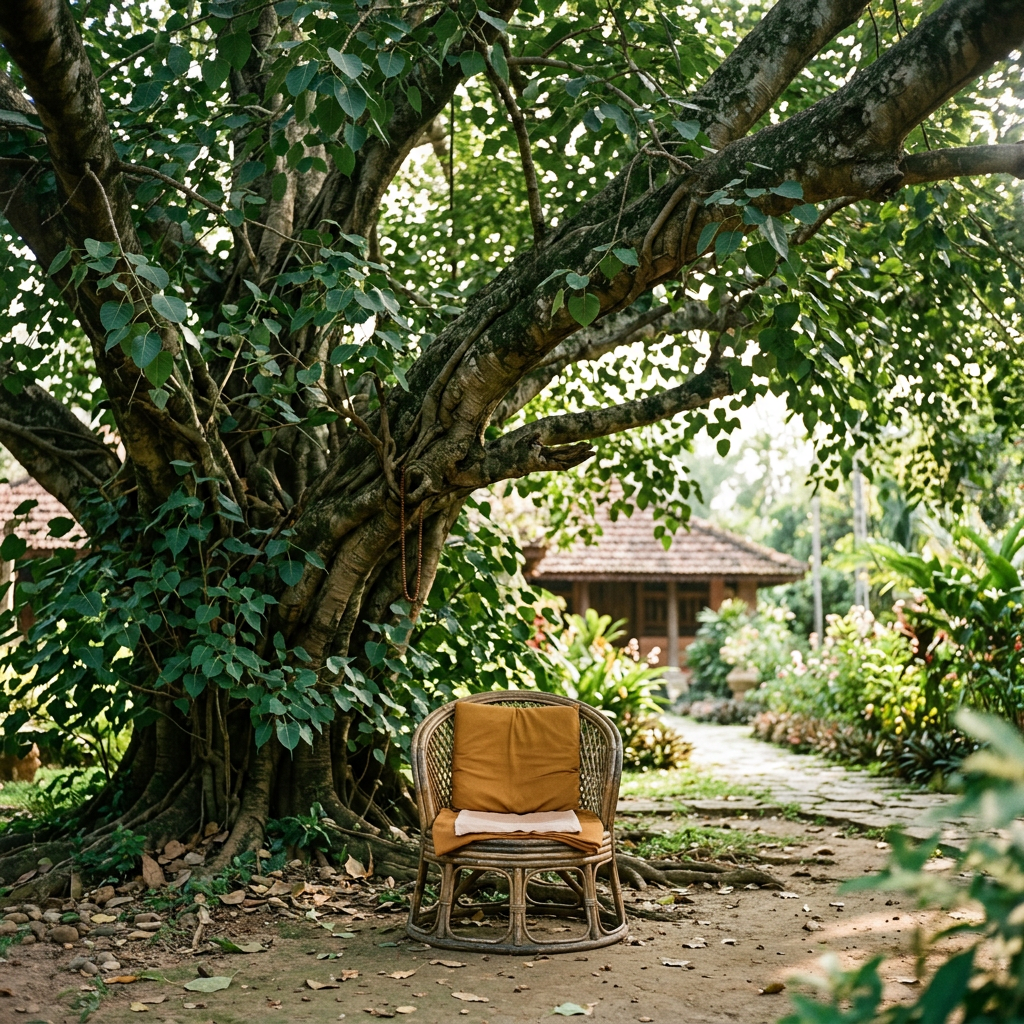
What does an empty seat represent in early Buddhist iconography?
81,093 views
What does an empty seat represent in early Buddhist iconography? Correct Answer: (a) The meditation of the Buddha Detailed Explanation (NCERT-Based | 100% Accurate) This is a high-yield conceptual question from Early Buddhist Art (Aniconic Phase). Source: NCERT Class 12 – Themes in Indian History Part-I, Chapter 4: Thinkers, Beliefs and Buildings “Many early sculptors…
-
Test 4: Ancient Bihar for BPSC Examination , Free Test
81,093 views
Free BPSC Mock Test 4: Ancient Bihar | Bihar History MCQs for BPSC Prelims 2026 | CrackTarget 72nd BPSC 2026 Aligned Latest Pattern • No Negative Marking (Practice Mode) Join Telegram CT CrackTarget BPSC • UPSC Home BPSC Tests Free Notes Courses Login Start Free Home / BPSC Free Tests / Test 4: Ancient Bihar…
-

Kushanas: The Central Asian Dynasty in India
81,093 views
OverviewThe Kushana (or Kushan) dynasty (circa 1st–3rd century CE) was a Central Asian dynasty that ruled northern India, parts of Central Asia, and the northwest, significantly shaping Indian history through their political, economic, and cultural contributions. Originating from the Yuezhi, a nomadic group from Central Asia, the Kushanas established a vast empire under rulers like…
-

Study Material: Mauryan Empire – Chandragupta Maurya (c. 321–297 BCE)
81,093 views
Chandragupta Maurya & The Mauryan Empire | Complete Study Material | CrackTarget CT CrackTarget GOVERNMENT JOBS • EXAMS ANCIENT HISTORY UPSC GS-1 BPSC Download PDF Save for Later Browse All Materials MAURYAN EMPIRE • 321–297 BCE FOUNDATION OF IMPERIAL INDIA Chandragupta Maurya & The Mauryan Empire From humble origins to architect of India’s first great…
-

Gandhara History
81,093 views
Gandhara (c. 1500 BCE – 11th Century CE) • Study Material | CrackTarget CrackTarget ANCIENT INDIA • ART & CULTURE Timeline Quiz Top MAHAJANAPADA • GRECO-BUDDHIST ART • TAXILA GANDHARA c. 1500 BCE – 11th Century CE Where Greek elegance met Buddhist spirituality. The magnificent crossroads of ancient civilizations. Explore Interactive Timeline Take the Quiz…
You must be logged in to post a comment.