
Tag: politics
-
Study Materials: Elasticity of Demand
42,675 views
1. Concept of Elasticity of Demand Overview Elasticity of demand is a measure of how sensitive the quantity demanded of a good or service is to a change in one of its determinants, such as price, income, or the price of related goods. It quantifies the percentage change in quantity demanded relative to a percentage…
-
Indian Labour Laws – UPSC Level MCQs EPFO APFC
42,675 views
Factories Act, 1948 Minimum Wages Act, 1948 Payment of Wages Act, 1936 Equal Remuneration Act, 1976 Employees’ State Insurance Act, 1948 Employees’ Provident Funds and Miscellaneous Provisions Act, 1952 Payment of Bonus Act, 1965 Payment of Gratuity Act, 1972 Employees’ Compensation Act, 1923 Contract Labour (Regulation & Abolition) Act, 1970 Maternity Benefit Act, 1961 Child…
-
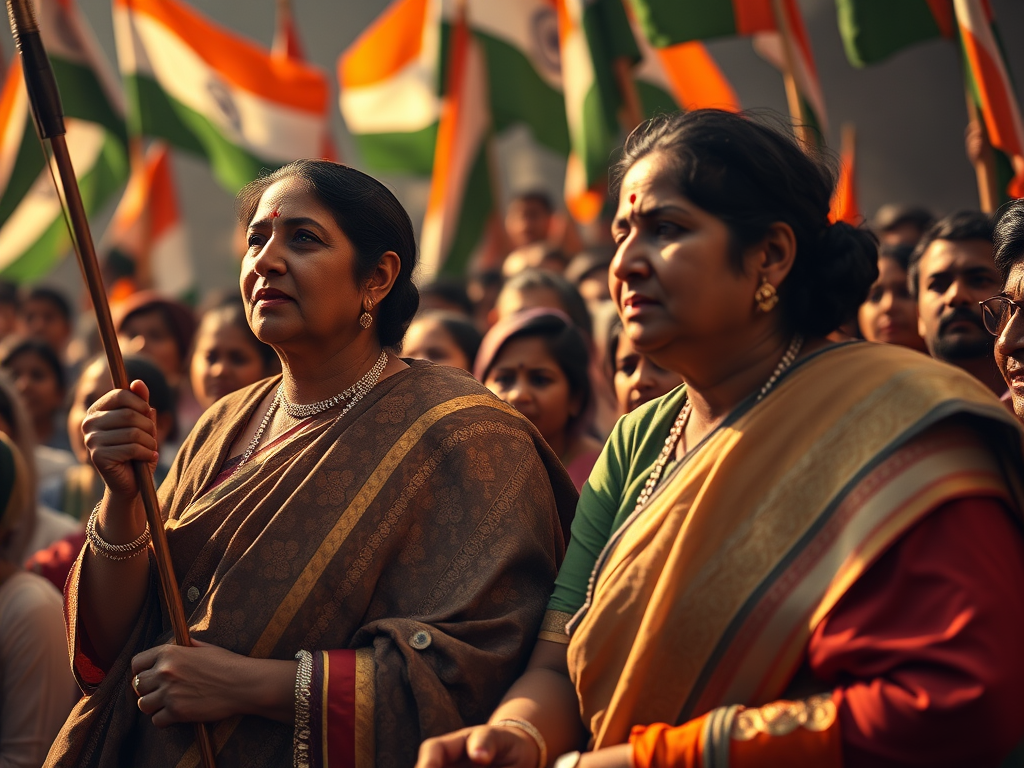
Introduction to the Role of Women in the Indian Independence Movement
42,675 views
The participation of women in the Indian independence movement represented a significant shift from traditional societal roles, contributing to both political activism and social reform. Women leaders emerged as pivotal figures, advocating for self-rule while challenging patriarchal norms and colonial oppression. Influenced by education, nationalist ideologies, and global feminist movements, they engaged in protests, organizational…
-
Constitutional Developments in British India
42,675 views
The constitutional developments in British India during the early 20th century represented incremental reforms aimed at addressing Indian demands for greater representation while maintaining British control. Key legislations included the Indian Councils Act of 1909 (Morley-Minto Reforms), the Government of India Act of 1919 (Montagu-Chelmsford Reforms), and the Government of India Act of 1935. These…
-
Introduction to India’s Independence and Partition in 1947
42,675 views
The year 1947 marked a pivotal juncture in Indian history, signifying the culmination of the protracted struggle against British colonial rule through the attainment of independence on August 15, 1947. This event, however, was inextricably linked to the partition of British India into two sovereign nations: the Dominion of India and the Dominion of Pakistan.…
-
Introduction to the Extremist Phase in the Indian National Movement
42,675 views
Rise and Causes of Extremism The emergence of extremism stemmed from several factors: This phase divided the INC into moderates, who favored gradual reforms within the British framework, and extremists, who pushed for complete independence through boycott and self-reliance. Key Leaders: Bal Gangadhar Tilak Bal Gangadhar Tilak (1856–1920), often called “Lokmanya” (accepted by the people),…
-
Introduction to the Demands of the Indian National Congress in the Independence Movement
42,675 views
The Indian National Congress (INC), established in 1885, served as the principal political organization advocating for India’s independence from British colonial rule. Initially focused on moderate reforms within the British framework, the INC gradually escalated its demands toward complete self-governance. These demands evolved through phases, influenced by socio-economic grievances, global events, and leadership shifts, culminating…
-

Study Notes on the Constitution of India
42,675 views
Historical Background and Drafting Process The Constitution of India emerged from the historical context of British colonial rule, which lasted from 1858 to 1947, with India operating as a dominion under the Government of India Act, 1935, and the Indian Independence Act, 1947, until 1950. Early influences included the Nehru Report of 1928, drafted by…
-
Ancient India Test for BPSC Prelims (Full Length)
42,675 views
Test No. 3 of 60 days 60 tests series Test No 3 Question Paper 150 Superbly Selected Question for BPSC Prelims Exam Test No 3 Solution Each question should be explained in simple, easy-to-understand language to help with memorization and quick recall. Ancient Indian History is a favorite topic for BPSC exams, and to thoroughly…