
Introduction (परिचय)
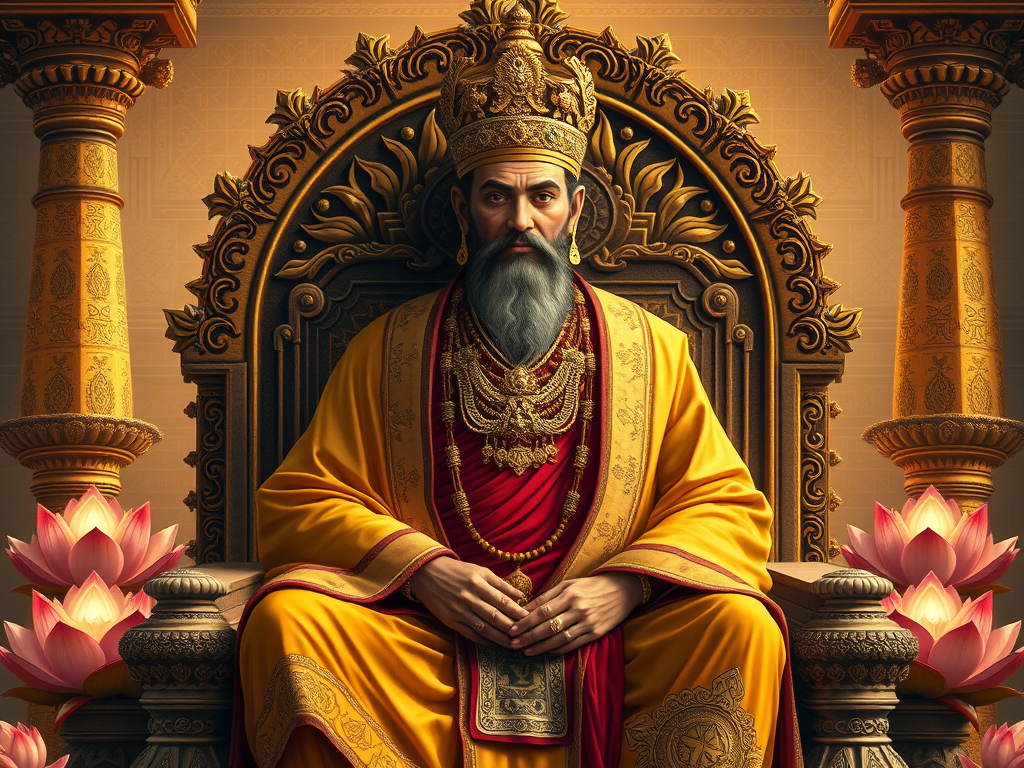
Dharmapala (770–810 CE) was the second ruler of the Pala Dynasty, one of the most influential Buddhist dynasties in ancient India. He succeeded his father Gopala, the founder of the dynasty, and is considered the greatest ruler of the Palas. Under his reign, the Pala Empire expanded significantly, becoming a dominant power in northern and eastern India. He was a devout Buddhist and patronized education, art, and culture. This study material is designed for competitive exam aspirants (like UPSC, SSC) and undergraduate students, providing a bilingual explanation (English and Hindi) for better understanding. Key sources include historical texts and inscriptions.
(धर्मपाल (770–810 ई.) पाला वंश के दूसरे शासक थे, जो प्राचीन भारत के सबसे प्रभावशाली बौद्ध राजवंशों में से एक थे। उन्होंने अपने पिता गोपाल, वंश के संस्थापक, के बाद शासन संभाला और पाला वंश के सबसे महान शासक माने जाते हैं। उनके शासनकाल में पाला साम्राज्य का काफी विस्तार हुआ, जो उत्तरी और पूर्वी भारत में प्रमुख शक्ति बन गया। वे एक समर्पित बौद्ध थे और शिक्षा, कला तथा संस्कृति के संरक्षक थे। यह अध्ययन सामग्री प्रतियोगी परीक्षा उम्मीदवारों (जैसे UPSC, SSC) और स्नातक छात्रों के लिए तैयार की गई है, जिसमें द्विभाषी व्याख्या (अंग्रेजी और हिंदी) दी गई है। मुख्य स्रोत ऐतिहासिक ग्रंथ और शिलालेख हैं।)prepp.inen.banglapedia.org
Biography (जीवनी)
Dharmapala was born to Gopala and his queen Deddadevi. He ascended the throne around 770 CE after his father’s death. His reign lasted about 40 years, during which he adopted grand titles like Paramabhattaraka, Paramesvara, and Maharajadhiraja, signifying his imperial status. He ruled from Bengal and Bihar regions, with the capital likely at Pataliputra (modern Patna) or Vikramashila.
Key Life Events:
- Early Reign: Consolidated power after Gopala’s democratic election as king to end anarchy in Bengal.
- Military Campaigns: Engaged in wars with Pratiharas and Rashtrakutas for control over Kannauj.
- Diplomatic Alliances: Maintained relations with neighboring kingdoms and promoted Buddhism internationally.
- Death: Died around 810 CE, succeeded by his son Devapala.
(धर्मपाल का जन्म गोपाल और उनकी रानी देद्दादेवी से हुआ था।
उन्होंने अपने पिता की मृत्यु के बाद लगभग 770 ई. में सिंहासन संभाला।
उनका शासनकाल लगभग 40 वर्षों का था, जिसमें उन्होंने परमभट्टारक, परमेश्वर और महाराजाधिराज जैसी भव्य उपाधियाँ अपनाईं, जो उनकी साम्राज्यवादी स्थिति को दर्शाती हैं। उन्होंने बंगाल और बिहार क्षेत्रों से शासन किया, राजधानी संभवतः पाटलिपुत्र (आधुनिक पटना) या विक्रमशिला थी।
मुख्य जीवन घटनाएँ:
- प्रारंभिक शासन: बंगाल में अराजकता समाप्त करने के लिए गोपाल के लोकतांत्रिक चुनाव के बाद सत्ता मजबूत की।
- सैन्य अभियान: कन्नौज पर नियंत्रण के लिए प्रतिहारों और राष्ट्रकूटों से युद्ध लड़े।
- कूटनीतिक गठबंधन: पड़ोसी राज्यों से संबंध बनाए रखे और बौद्ध धर्म को अंतरराष्ट्रीय स्तर पर बढ़ावा दिया।
- मृत्यु: लगभग 810 ई. में, उत्तराधिकारी उनके पुत्र देवपाल बने।)en.wikipedia.orgdrishtiias.com
Achievements and Notable Works (उपलब्धियाँ और उल्लेखनीय कार्य)
Dharmapala’s reign marked the golden age of the Pala Empire. He expanded the territory, patronized Buddhism, and established educational institutions. Below is a tabular summary for easy revision:
(धर्मपाल के शासन ने पाला साम्राज्य का स्वर्ण युग चिह्नित किया। उन्होंने क्षेत्र का विस्तार किया, बौद्ध धर्म का संरक्षण किया और शैक्षणिक संस्थानों की स्थापना की। नीचे आसान संशोधन के लिए तालिका में सारांश दिया गया है:)
| क्षेत्र (Field) | उपलब्धियाँ (Achievements) | महत्व (Significance) |
|---|---|---|
| साम्राज्य विस्तार (Empire Expansion) | Conquered northern India, including Kannauj from Gurjara-Pratiharas. Defeated Rashtrakutas and extended influence to Nepal, Tibet, and Southeast Asia. (उत्तरी भारत जीता, जिसमें गुर्जर-प्रतिहारों से कन्नौज शामिल। राष्ट्रकूटों को हराया और नेपाल, तिब्बत तथा दक्षिण-पूर्व एशिया तक प्रभाव फैलाया।) | Made Pala the dominant power in North India for a time; controlled key trade routes. (कुछ समय के लिए पाला को उत्तरी भारत की प्रमुख शक्ति बनाया; प्रमुख व्यापार मार्गों पर नियंत्रण।) |
| धार्मिक संरक्षण (Religious Patronage) | Devout Buddhist; founded Vikramashila University and Somapura Mahavihara (Paharpur). Sent scholars like Atisha Dipankara to Tibet. (समर्पित बौद्ध; विक्रमशिला विश्वविद्यालय और सोमपुर महाविहार (पहाड़पुर) की स्थापना। अतिश दीपंकर जैसे विद्वानों को तिब्बत भेजा।) | Revived Mahayana and Vajrayana Buddhism; influenced Tibetan Buddhism. (महायान और वज्रयान बौद्ध धर्म का पुनरुत्थान; तिब्बती बौद्ध धर्म पर प्रभाव।) |
| शिक्षा और संस्कृति (Education and Culture) | Established Vikramashila as a major learning center for Buddhist studies, rivaling Nalanda. Promoted Sanskrit literature and art. (विक्रमशिला को बौद्ध अध्ययन का प्रमुख केंद्र बनाया, जो नालंदा का प्रतिद्वंद्वी था। संस्कृत साहित्य और कला को बढ़ावा दिया।) | Attracted scholars from across Asia; contributed to Pala school’s art style (sculptures, paintings). (एशिया भर से विद्वानों को आकर्षित किया; पाला शैली की कला (मूर्तियाँ, चित्र) में योगदान।) |
| प्रशासनिक सुधार (Administrative Reforms) | Organized efficient administration with feudal system; issued copper-plate grants for land distribution. (कुशल प्रशासन संगठित किया जिसमें सामंती प्रणाली; भूमि वितरण के लिए ताम्र-पत्र अनुदान जारी किए।) | Stabilized economy through agriculture and trade; promoted social welfare. (कृषि और व्यापार से अर्थव्यवस्था स्थिर की; सामाजिक कल्याण को बढ़ावा दिया।) |
| सैन्य और कूटनीति (Military and Diplomacy) | Won tripartite struggle for Kannauj against Pratiharas and Rashtrakutas. Allied with other kings for stability. (प्रतिहारों और राष्ट्रकूटों के खिलाफ कन्नौज के त्रिपक्षीय संघर्ष में जीत। स्थिरता के लिए अन्य राजाओं से गठबंधन।) | Ensured Pala supremacy in eastern India; prevented invasions. (पूर्वी भारत में पाला की सर्वोच्चता सुनिश्चित की; आक्रमणों को रोका।) |
Historical Significance and Legacy (ऐतिहासिक महत्व और विरासत)
Dharmapala’s legacy lies in reviving Buddhism during a time of decline and making Bengal a cultural hub. His empire influenced the spread of Indian culture to Southeast Asia via Buddhist missionaries. The Pala Dynasty under him and his successors lasted until the 12th century, leaving behind architectural marvels like Vikramashila (now a UNESCO site candidate) and sculptures in black stone.
For Exams: Often compared with contemporaries like Nagabhata II (Pratihara) or Dhruva (Rashtrakuta). Questions may focus on his role in the “Tripartite Struggle” or patronage of universities.
(धर्मपाल की विरासत बौद्ध धर्म के पतन के समय में उसके पुनरुत्थान और बंगाल को सांस्कृतिक केंद्र बनाने में निहित है। उनके साम्राज्य ने बौद्ध मिशनरियों के माध्यम से दक्षिण-पूर्व एशिया में भारतीय संस्कृति के प्रसार को प्रभावित किया। उनके और उनके उत्तराधिकारियों के अधीन पाला वंश 12वीं सदी तक चला, जिसमें विक्रमशिला (अब यूनेस्को स्थल उम्मीदवार) जैसी वास्तुकला और काले पत्थर की मूर्तियाँ छोड़ीं।


Leave a comment