
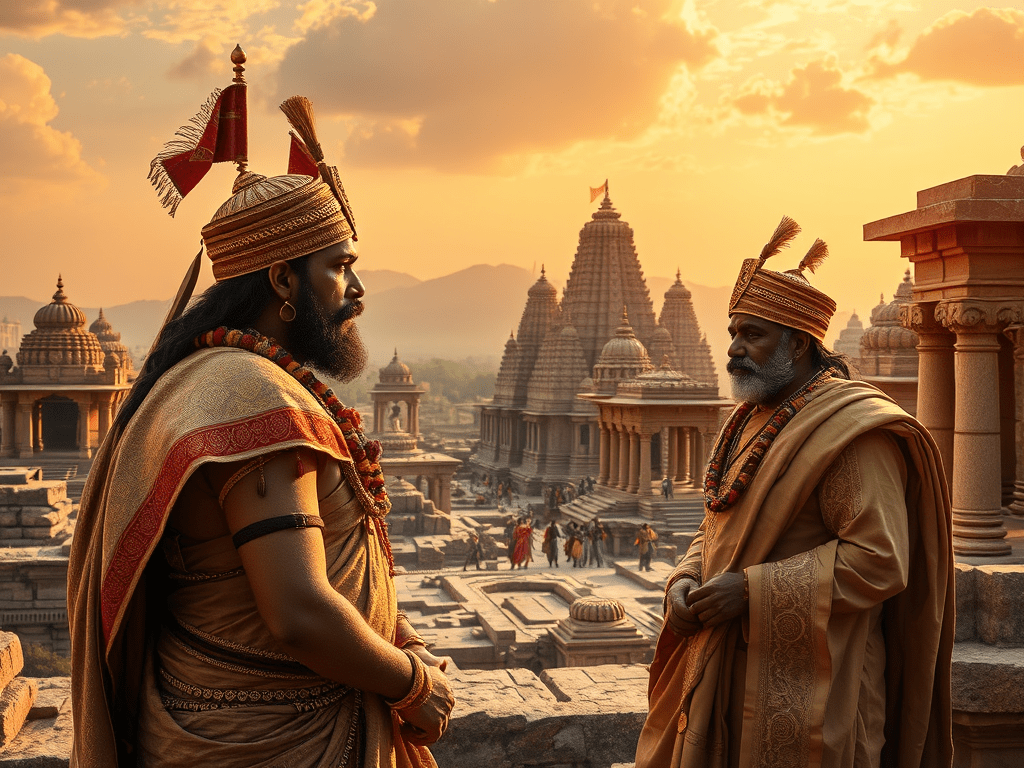
Vijayanagara Empire (1336–1646 CE): Administration, Culture, and Legacy
27,400 views
One stop solution for all Major Government Job exams.

Best Study Material and Courses for Upcoming vacancies

Exclusive Preparation Materials

Topic wise detailed study course and Test Paper for next MO examination
Cracktarget offers comprehensive preparation for regulatory body exams like RBI, PFRDA, NABARD, and SEBI by providing tailored study materials, mock tests, and expert guidance. It covers key topics such as banking, securities, pension regulations, and rural development, ensuring a deep understanding of concepts. With real-time practice, performance analysis, and updated content, Cracktarget helps candidates build confidence, improve time management, and stay ahead of the competition, making it an effective tool to excel in these competitive examinations.

27,400 views
OverviewThe Vijayanagara Empire (1336–1646 CE), founded by Harihara I and Bukka I, was a prominent South Indian Hindu empire based in Hampi (Karnataka). Established to counter Islamic invasions (e.g., Delhi Sultanate, Bahmani Sultanate), it became a bastion of Hindu culture,…
27,400 views
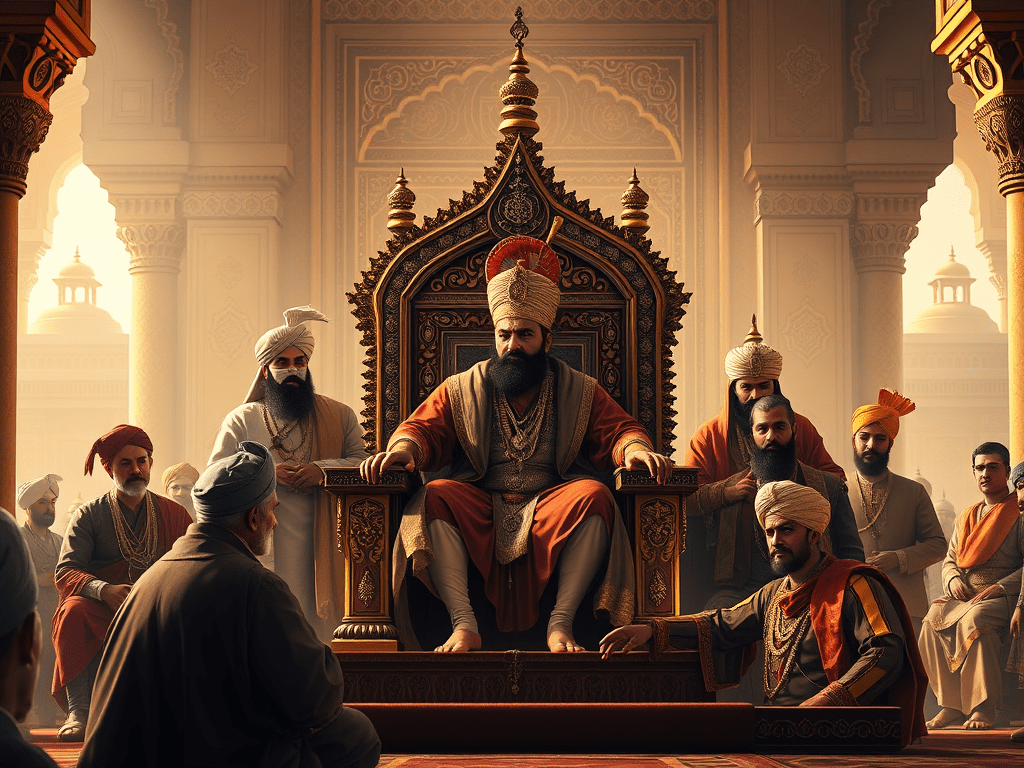
Overview The Delhi Sultanate (1206–1526 CE), comprising the Slave (1206–1290 CE), Khalji (1290–1320 CE), Tughlaq (1320–1414 CE), Sayyid (1414–1451 CE), and Lodi (1451–1526 CE) dynasties, established a centralized Islamic administration in northern India, blending Persian, Turkish, and Indian elements. Its…
27,400 views
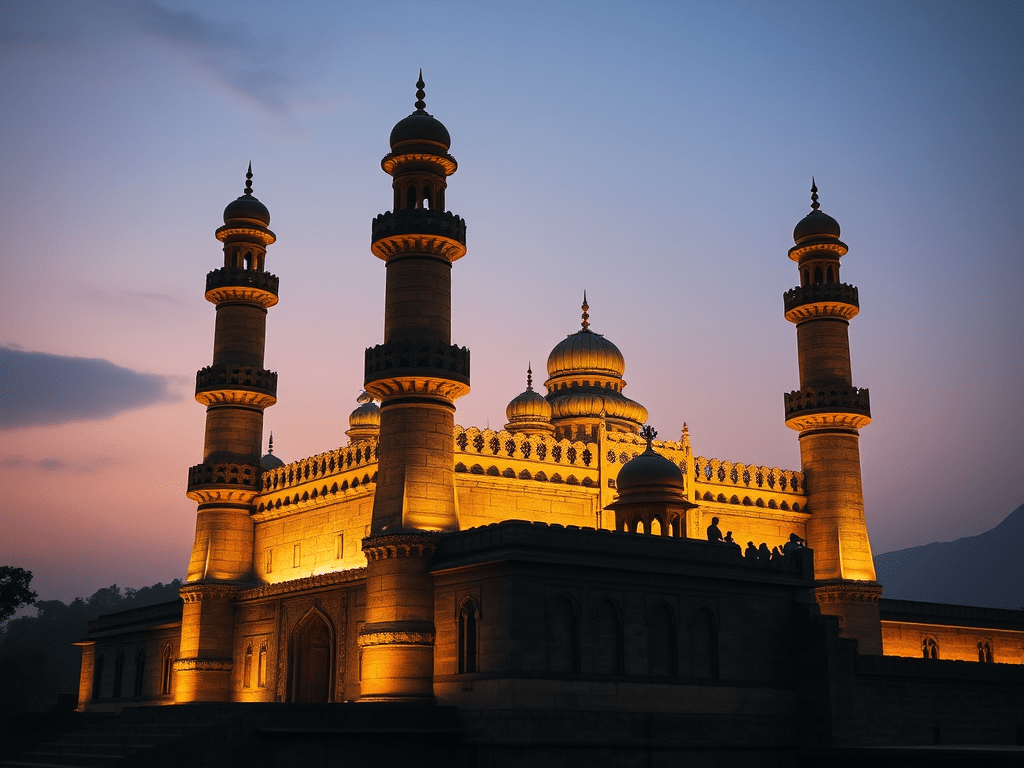
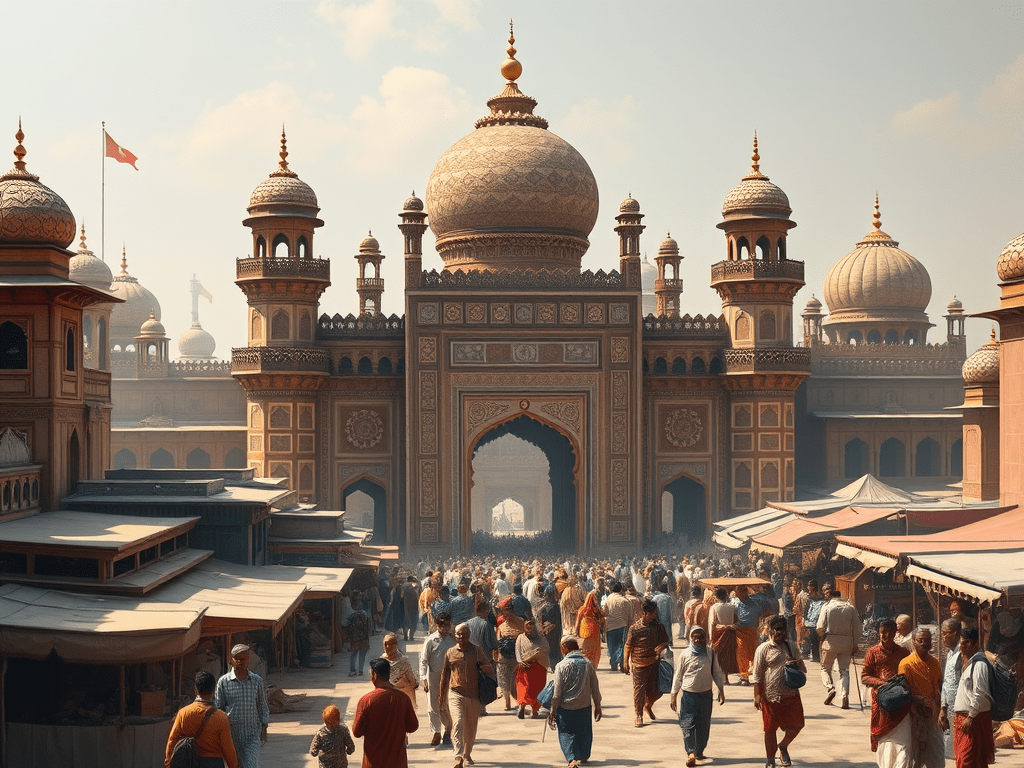
OverviewThe Tughlaq Dynasty, the third dynasty of the Delhi Sultanate, ruled from 1320 to 1414 CE, succeeding the Khaljis. Founded by Ghiyas-ud-din Tughlaq, it saw its peak under Muhammad bin Tughlaq (ambitious but erratic) and Firoz Shah Tughlaq (stable but…
27,400 views
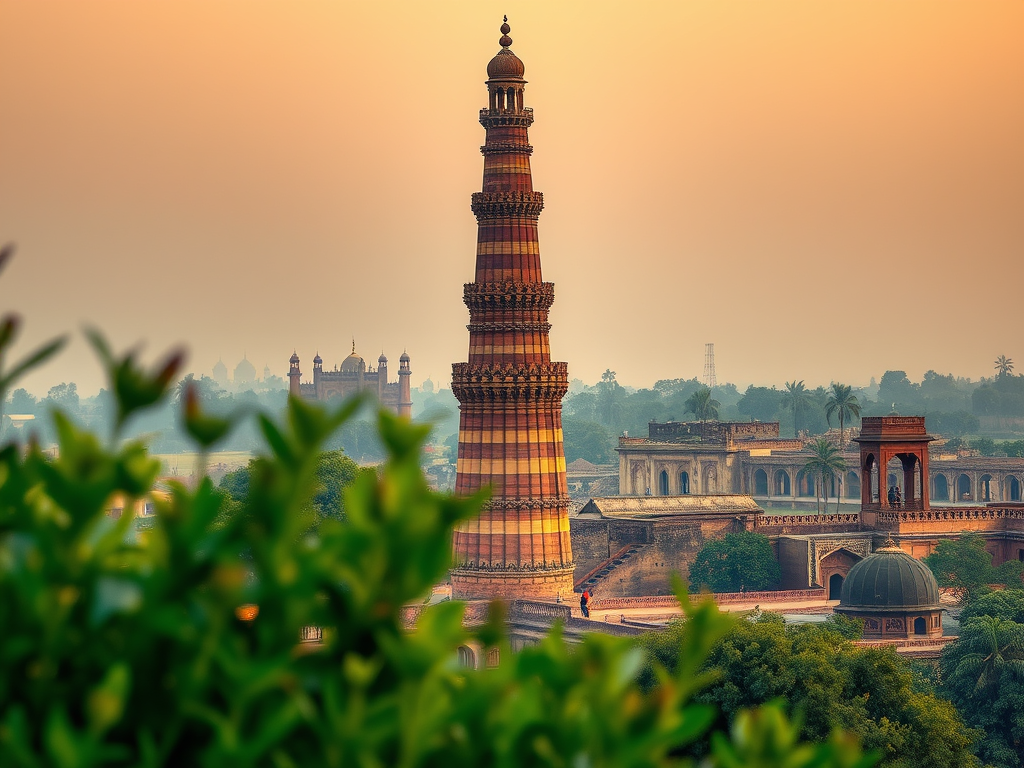
OverviewThe Khalji Dynasty (1290–1320 CE), the second dynasty of the Delhi Sultanate, was a period of aggressive expansion, administrative reforms, and cultural synthesis under rulers of Turkic-Afghan origin. Founded by Jalal-ud-din Khalji after overthrowing the Slave Dynasty, it reached its…
27,400 views
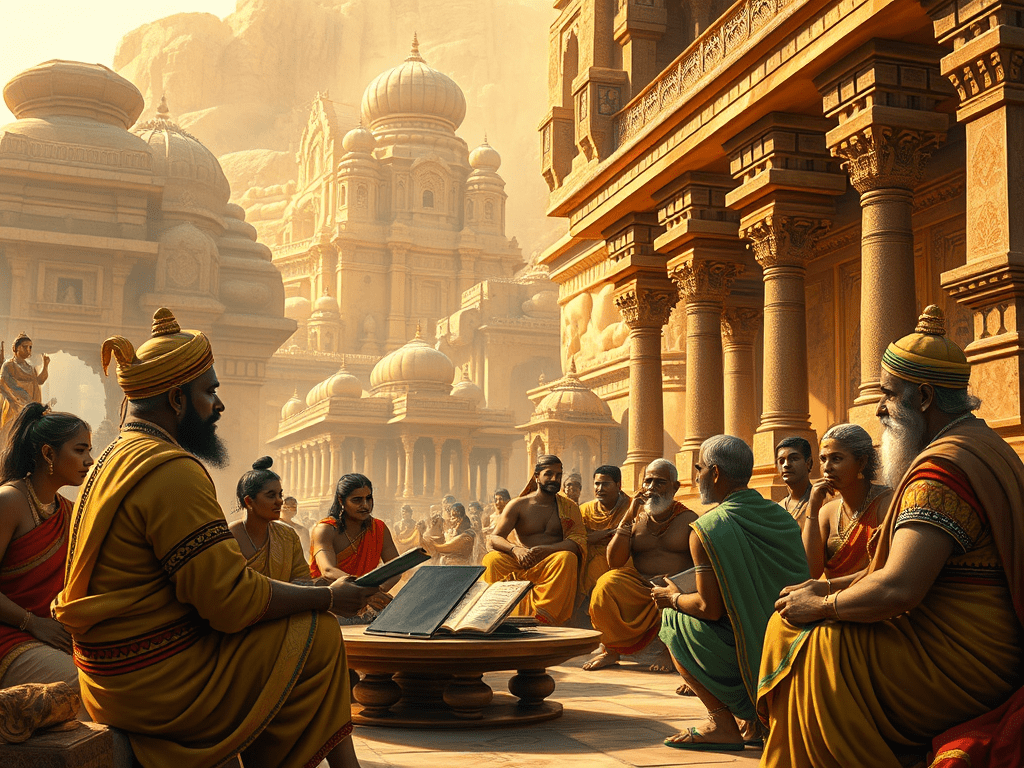
OverviewThe Delhi Sultanate (1206–1526 CE) was a series of Muslim dynasties that ruled northern India, marking the beginning of sustained Islamic rule in the subcontinent. Established after the Second Battle of Tarain (1192 CE), it centralized power in Delhi and…
27,400 views
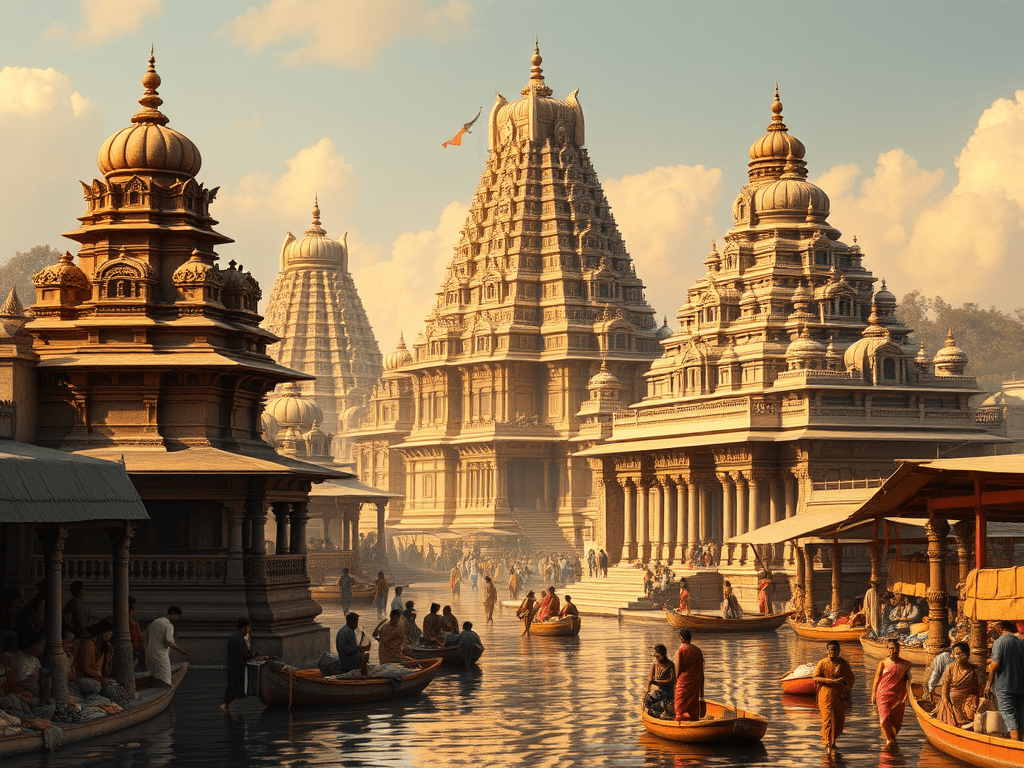
OverviewThe Gupta Empire (circa 320–550 CE), often referred to as the Golden Age of India, was a period of remarkable achievements in art, science, literature, and governance, centered in northern India with its capital at Pataliputra (modern Patna, Bihar). Founded…
27,400 views
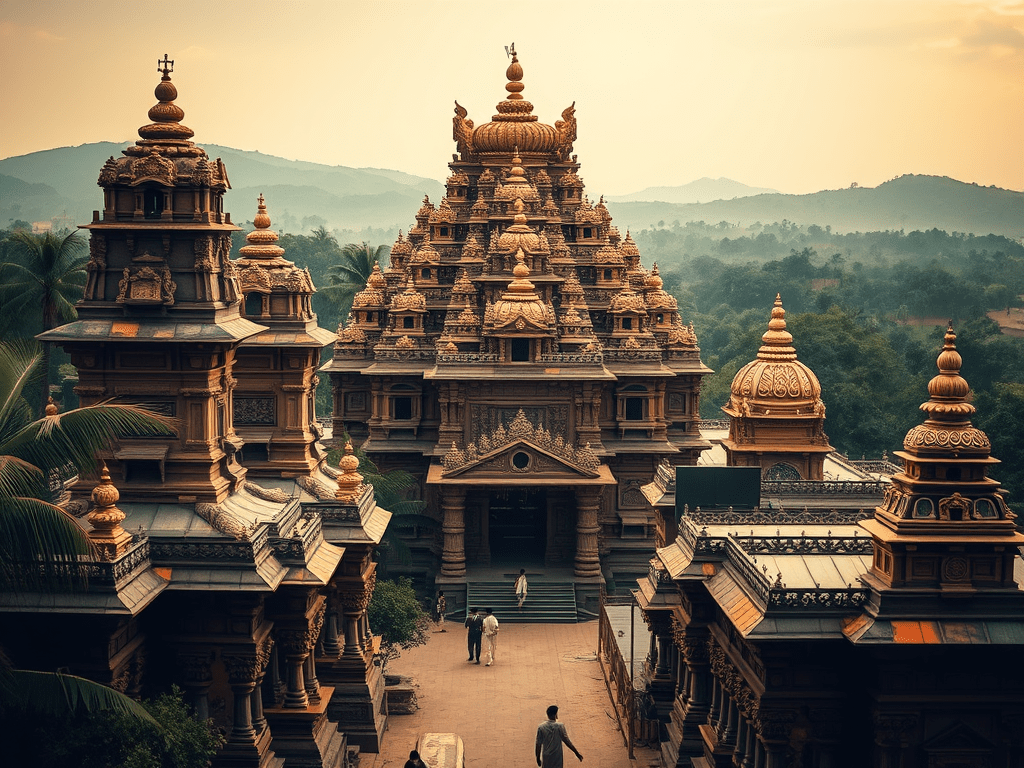
OverviewThe Cholas, Cheras, and Pandyas, collectively known as the mudi-vendar (crowned kings) of South India, were prominent Tamil dynasties that shaped the political, economic, and cultural landscape of the region from the Sangam period (3rd century BCE–3rd century CE) to…
27,400 views
OverviewThe Pandya dynasty, one of the three ancient Tamil kingdoms (alongside Cholas and Cheras), ruled primarily over southern Tamil Nadu, with their capital at Madurai and later Tenkaasi. Spanning from the Sangam period (3rd century BCE–3rd century CE) to the…

27,400 views
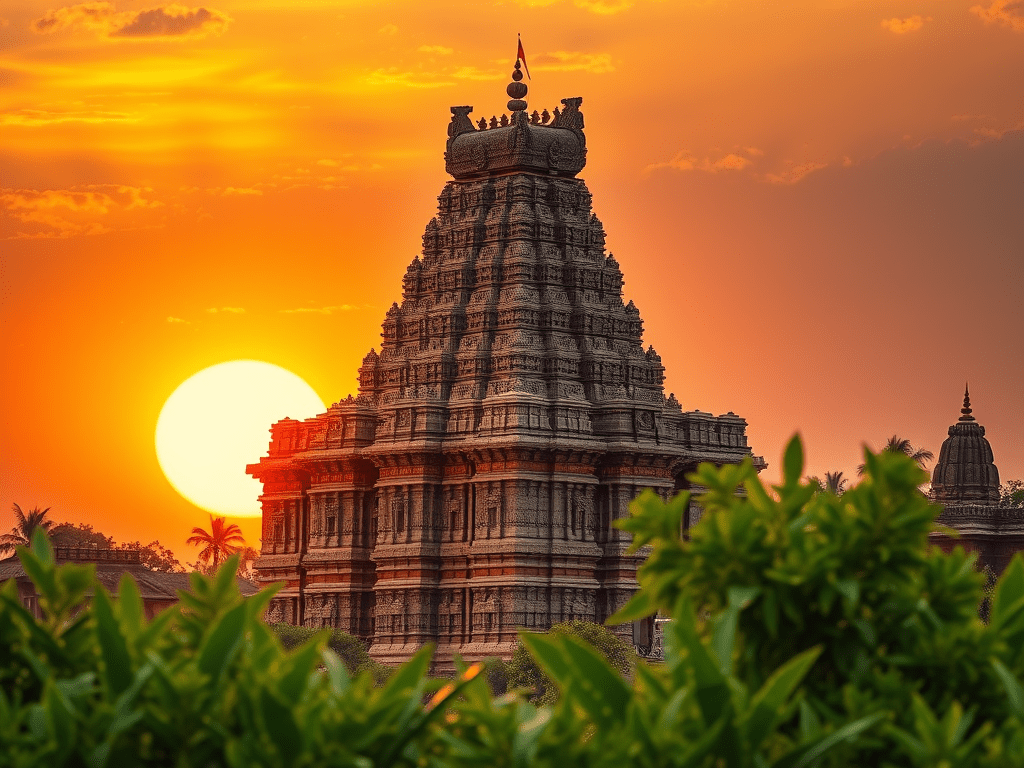
OverviewThe Chera dynasty, one of the three prominent Sangam-era kingdoms of South India (alongside Cholas and Pandyas), ruled over parts of modern Kerala and western Tamil Nadu from circa 3rd century BCE to 12th century CE. Known for their maritime…
27,400 views
OverviewThe Chola Empire (circa 9th–13th century CE), a prominent South Indian dynasty, is renowned for its efficient administration, maritime prowess, and monumental contributions to art and architecture, particularly Dravidian temple architecture. Centered in the Kaveri delta (modern Tamil Nadu), with…
Stay in the loop with everything you need to know.
