
Study Material: Mauryan Empire – Chandragupta Maurya (c. 321–297 BCE)
27,397 views
One stop solution for all Major Government Job exams.

Best Study Material and Courses for Upcoming vacancies

Exclusive Preparation Materials

Topic wise detailed study course and Test Paper for next MO examination

Cracktarget offers comprehensive preparation for regulatory body exams like RBI, PFRDA, NABARD, and SEBI by providing tailored study materials, mock tests, and expert guidance. It covers key topics such as banking, securities, pension regulations, and rural development, ensuring a deep understanding of concepts. With real-time practice, performance analysis, and updated content, Cracktarget helps candidates build confidence, improve time management, and stay ahead of the competition, making it an effective tool to excel in these competitive examinations.

27,397 views
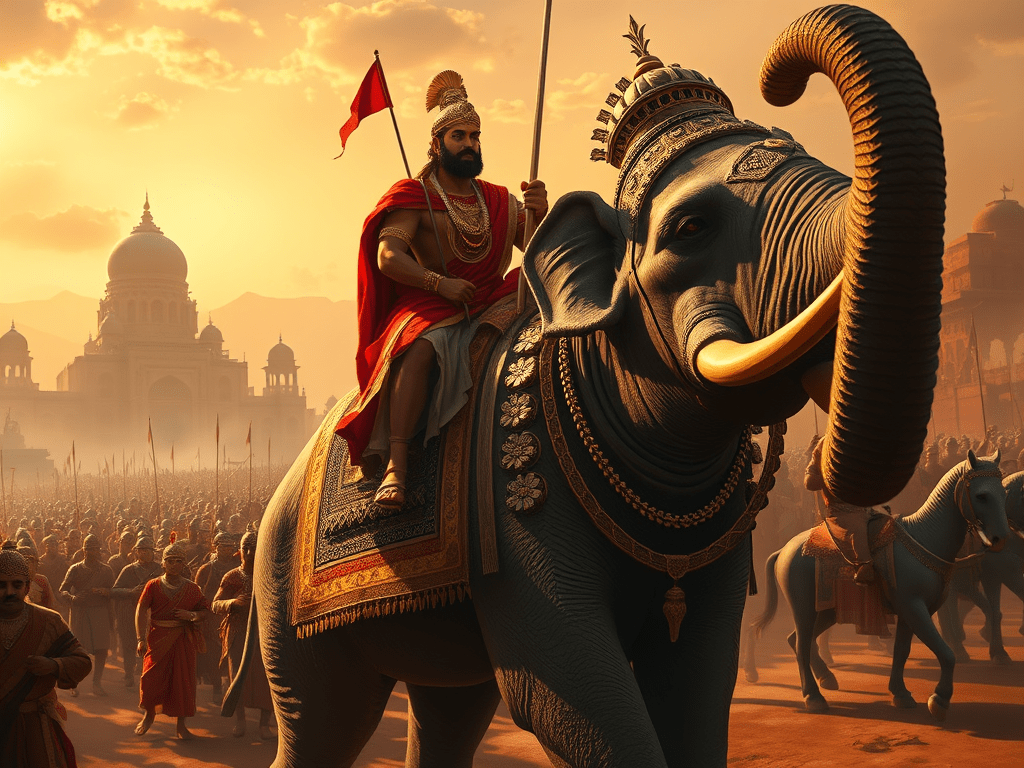
Chandragupta Maurya was the founder of the Mauryan Empire, one of the largest and most influential empires in ancient Indian history. Rising from humble origins, he overthrew the Nanda Dynasty with the guidance of his mentor Chanakya (Kautilya) and established…
27,397 views
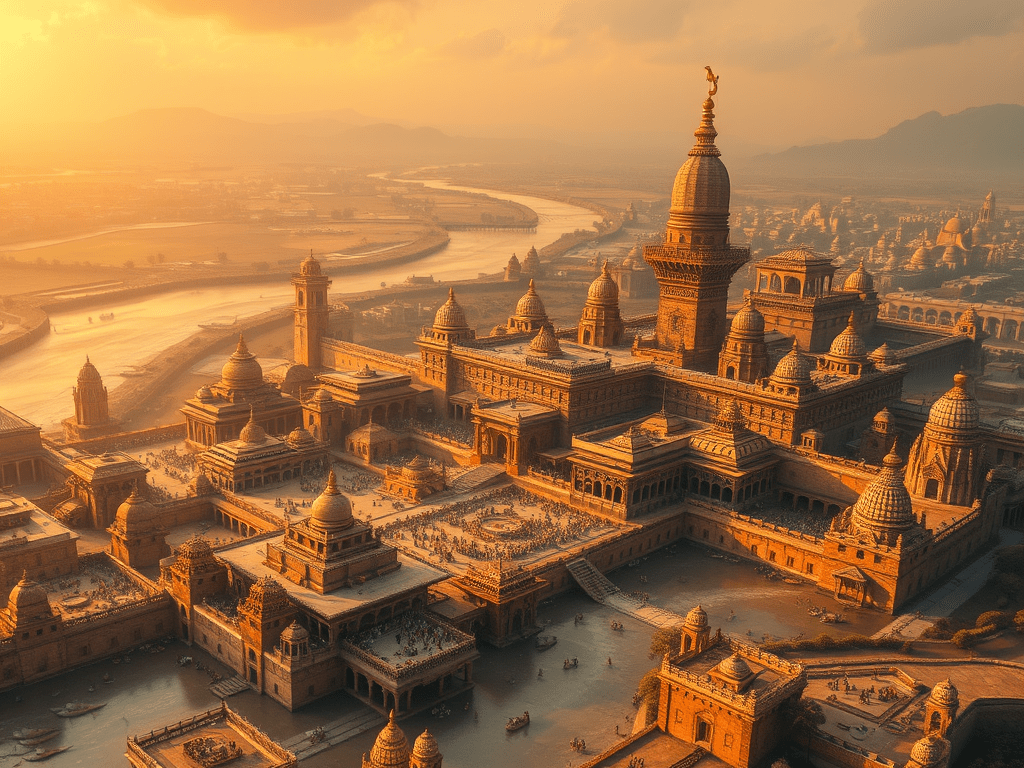
The Nanda Dynasty was a pivotal ruling house of the Magadha kingdom in ancient India, succeeding the Haryanka and Shishunaga dynasties. Known for its immense wealth, vast military might, and centralized administration, the Nanda Dynasty transformed Magadha into a dominant…
27,397 views
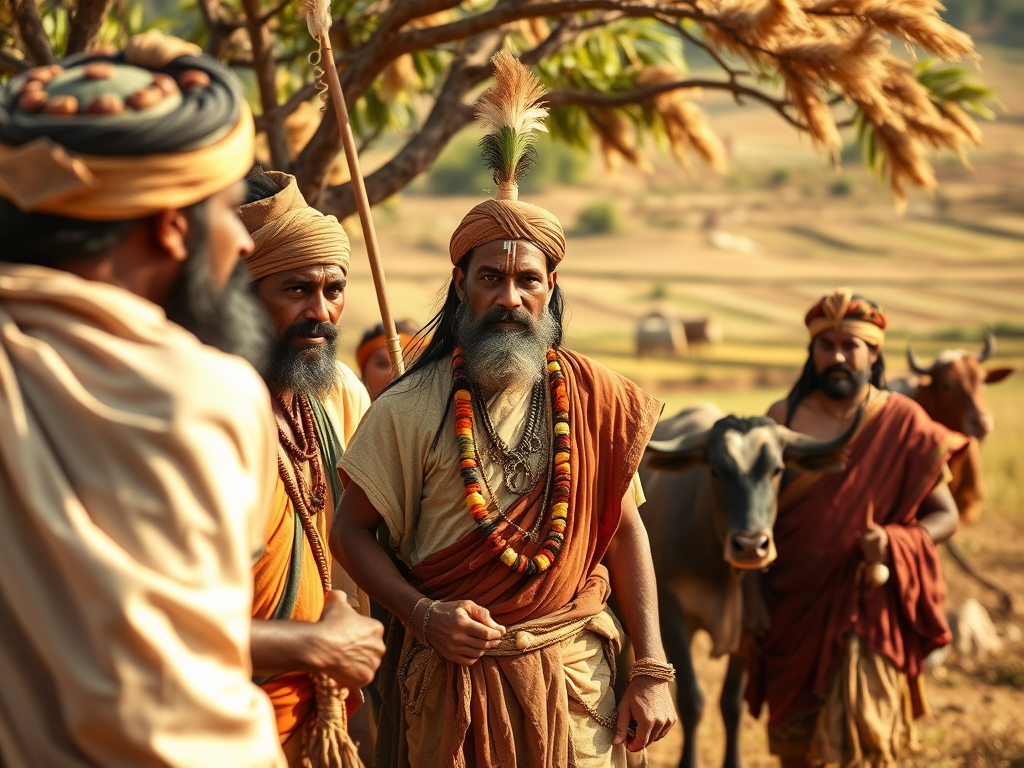
The Vedic period, spanning approximately from 1500 to 500 BCE, encompasses the Early Vedic period (c. 1500–1000 BCE, reflected in the Rigveda) and the Later Vedic period (c. 1000–500 BCE, seen in the Yajurveda, Samaveda, Atharvaveda, Brahmanas, Aranyakas, and early…
27,397 views
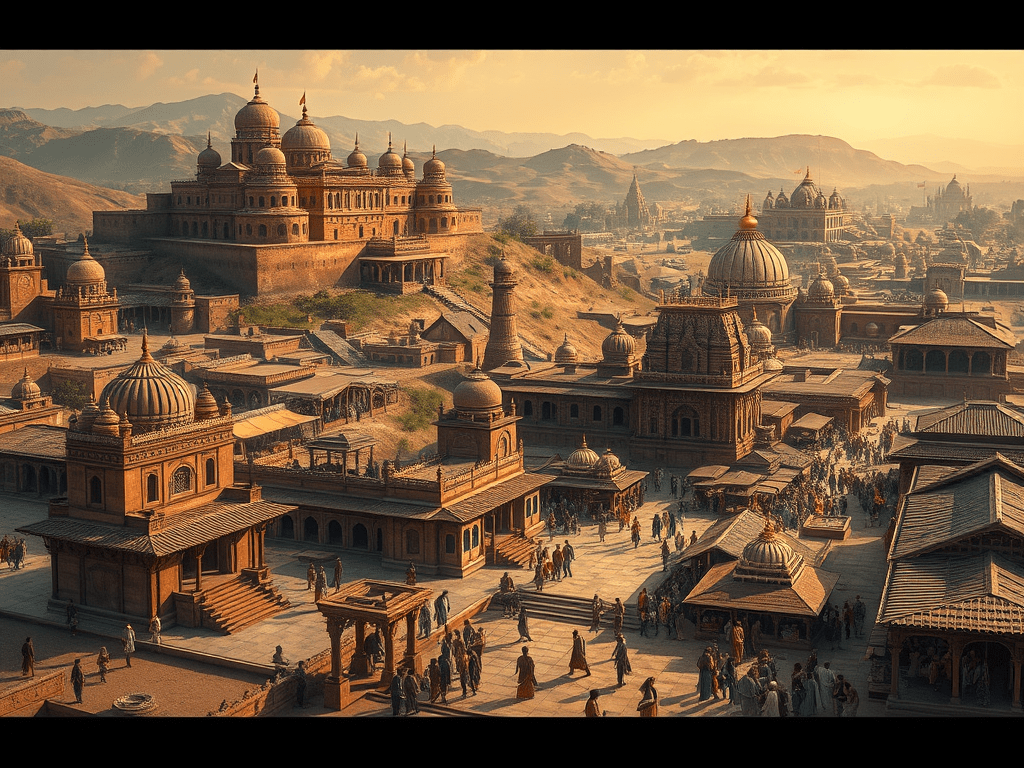
The Haryanka Dynasty, the first recorded rulers of ancient Magadha (c. 600–321 BCE), established political and military dominance in northern India. Notable leaders Bimbisara, Ajatashatru, and Udayin transformed the region through expansion, administrative innovations, and religious patronage, particularly of Buddhism…
27,397 views
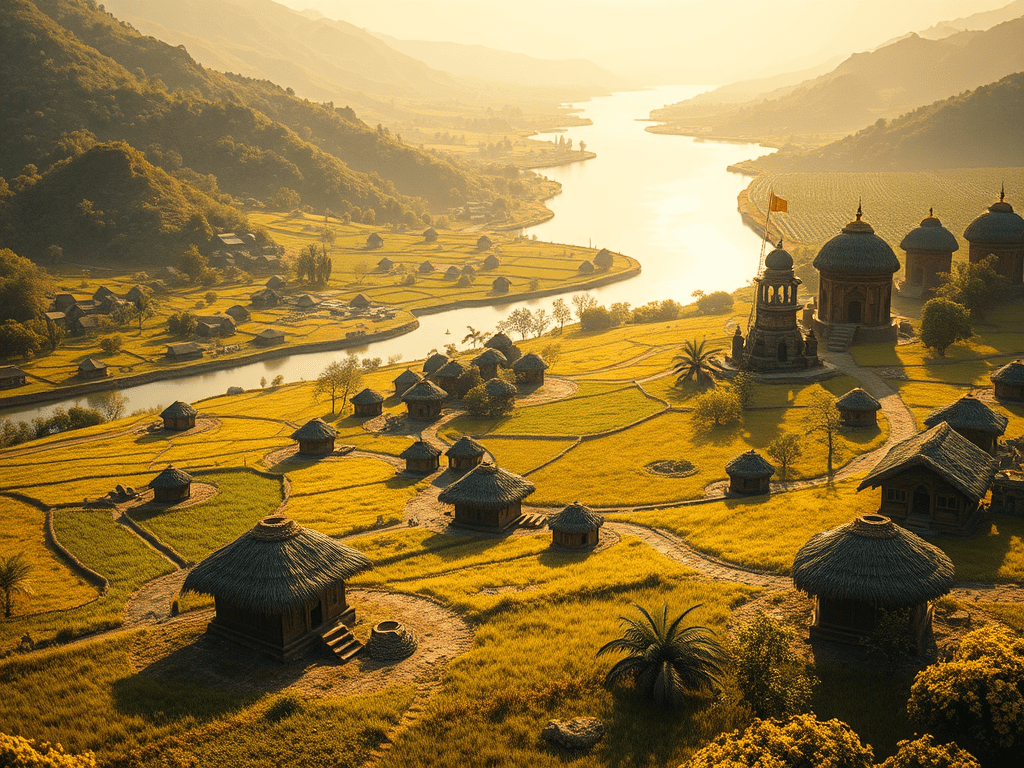
Panchala was a significant kingdom in ancient India, evolving from a Vedic tribal confederacy into one of the sixteen Mahajanapadas during the Iron Age (c. 6th century BCE). Located in the fertile Ganges-Yamuna Doab region, primarily in modern-day western Uttar…
27,397 views
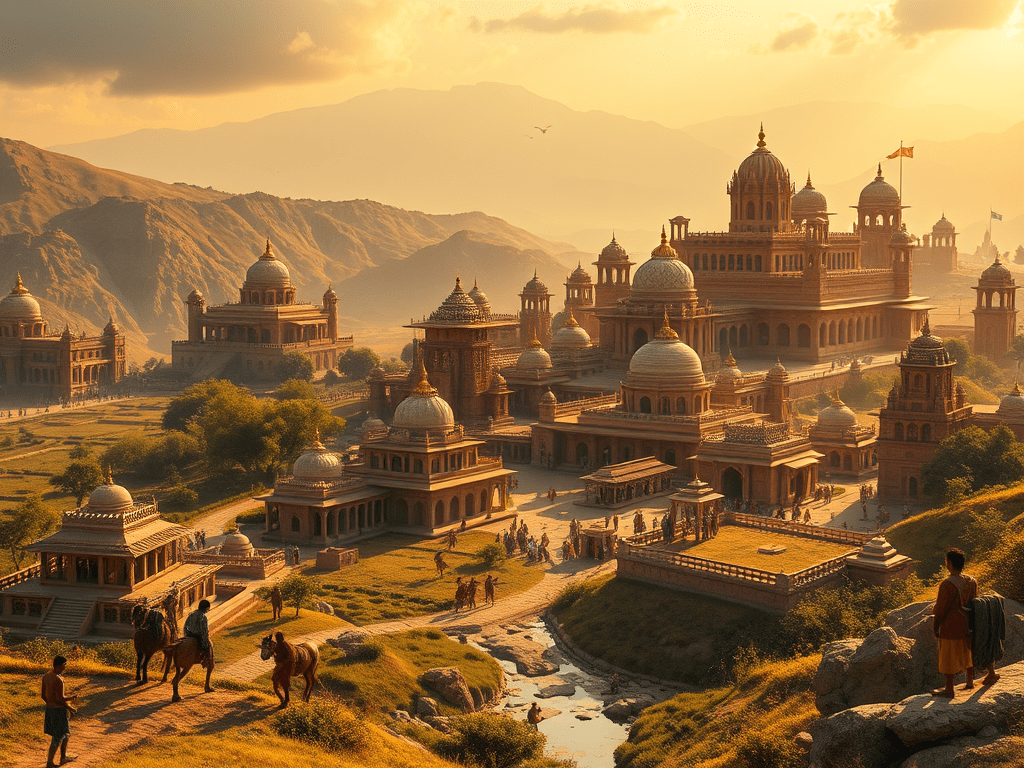
The Kuru kingdom was a prominent political and cultural entity in ancient India, evolving from a Vedic tribal confederacy into one of the sixteen Mahajanapadas during the Iron Age (c. 6th century BCE). Located in the northwestern plains of the…
27,397 views
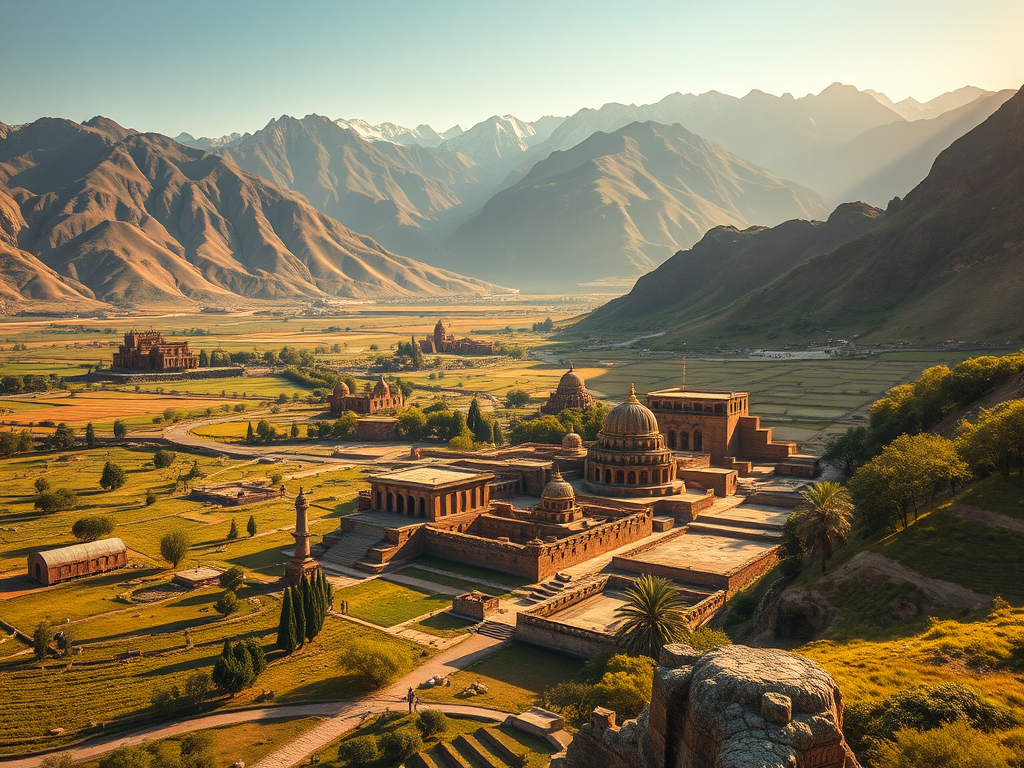
Gandhara was an ancient region and Mahajanapada in the northwestern Indian subcontinent, encompassing parts of modern-day northern Pakistan and eastern Afghanistan. Renowned for its strategic location, cultural synthesis, and contributions to art, religion, and learning, Gandhara played a pivotal role…
27,397 views
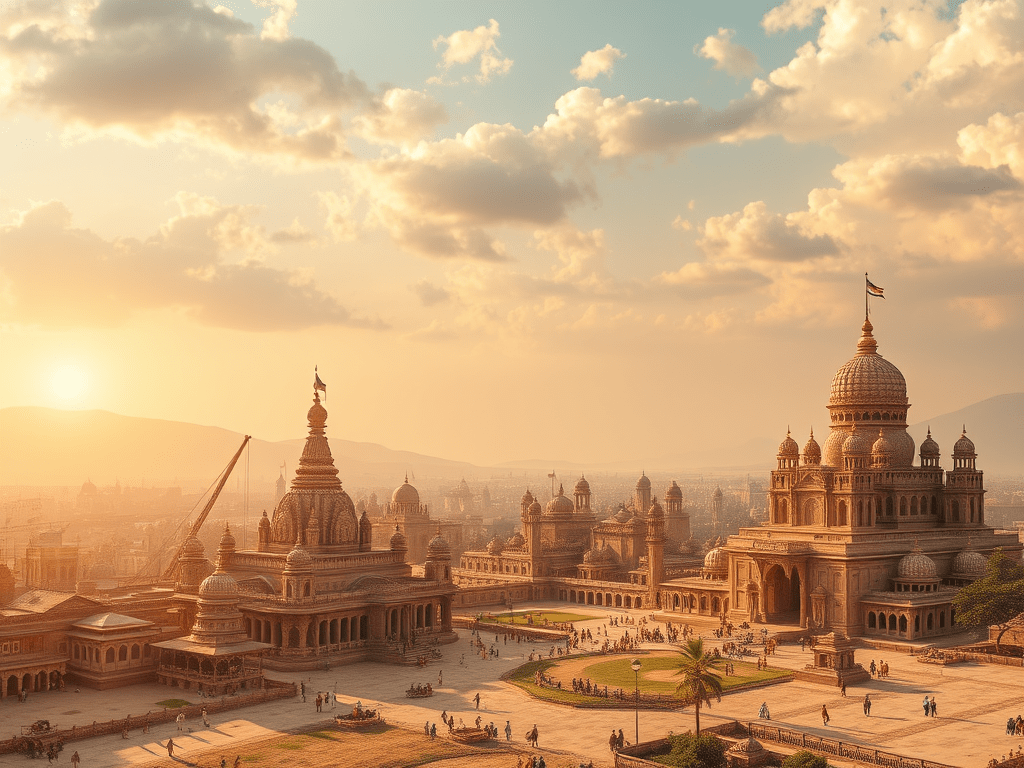
The period of the Mahajanapadas (c. 600–321 BCE) marks a significant phase in ancient Indian history, characterized by the emergence of large territorial states and early republics. This era, following the Later Vedic period, saw urbanization, economic growth, and political…

27,397 views
The Later Vedic period, spanning roughly from 1000 to 500 BCE, marks the evolution of Vedic civilization in ancient India following the Rigvedic period (c. 1500–1000 BCE). This phase, reflected in texts like the Yajurveda, Samaveda, Atharvaveda, Brahmanas, Aranyakas, and…

27,397 views
The Rigveda stands as one of the most ancient and revered texts in human history, forming the cornerstone of Vedic literature and the spiritual heritage of ancient Indian civilization. This sacred scripture, composed in an early form of Sanskrit, is…
Stay in the loop with everything you need to know.
