
Category: bpsc
-
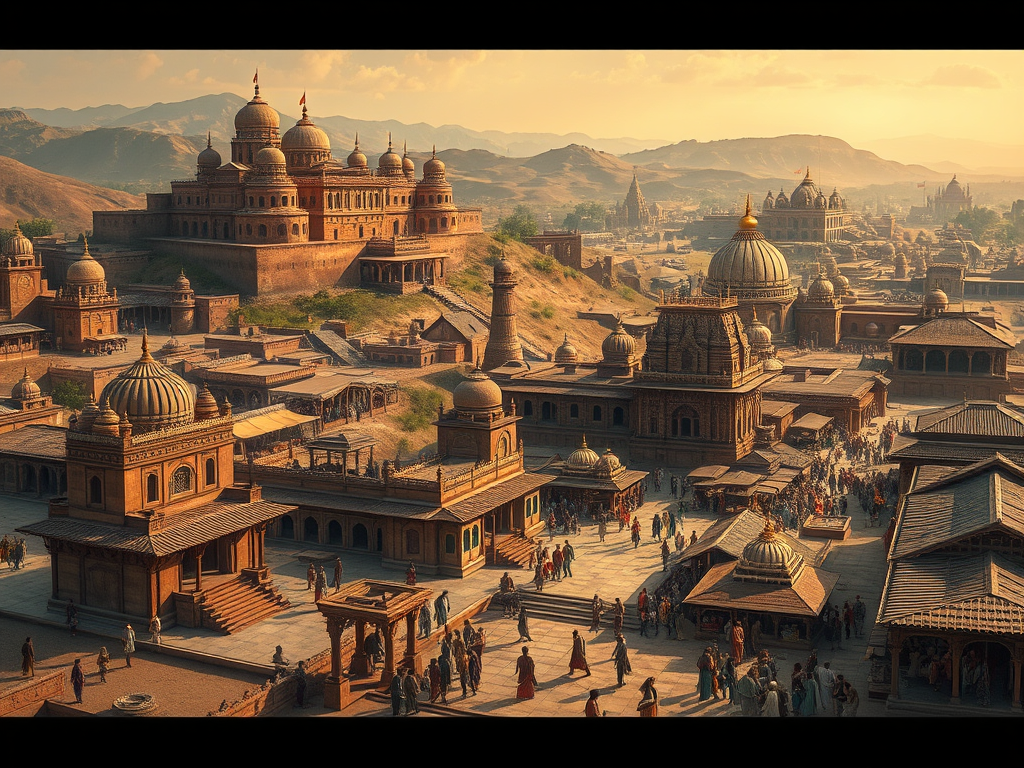
Study Material: Haryanka Dynasty (c. 544–413 BCE)
75,679 views
The Haryanka Dynasty, the first recorded rulers of ancient Magadha (c. 600–321 BCE), established political and military dominance in northern India. Notable leaders Bimbisara, Ajatashatru, and Udayin transformed the region through expansion, administrative innovations, and religious patronage, particularly of Buddhism and Jainism, paving the way for future empires.
-

Study Material: Panchala (c. 1100–321 BCE)
75,679 views
Panchala was a significant kingdom in ancient India, evolving from a Vedic tribal confederacy into one of the sixteen Mahajanapadas during the Iron Age (c. 6th century BCE). Located in the fertile Ganges-Yamuna Doab region, primarily in modern-day western Uttar Pradesh, Panchala was a key center of Vedic culture, intellectual development, and political activity. Renowned…
-

Study Material: Kuru (c. 1200–321 BCE)
75,679 views
The Kuru kingdom was a prominent political and cultural entity in ancient India, evolving from a Vedic tribal confederacy into one of the sixteen Mahajanapadas during the Iron Age (c. 6th century BCE). Located in the northwestern plains of the Indian subcontinent, primarily in modern-day Haryana, Delhi, and western Uttar Pradesh, Kuru played a pivotal…
-

Gandhara History
75,679 views
Gandhara (c. 1500 BCE – 11th Century CE) • Study Material | CrackTarget CrackTarget ANCIENT INDIA • ART & CULTURE Timeline Quiz Top MAHAJANAPADA • GRECO-BUDDHIST ART • TAXILA GANDHARA c. 1500 BCE – 11th Century CE Where Greek elegance met Buddhist spirituality. The magnificent crossroads of ancient civilizations. Explore Interactive Timeline Take the Quiz…
-

Study Material: Mahajanapadas and Republics (c. 600–321 BCE)
75,679 views
The period of the Mahajanapadas (c. 600–321 BCE) marks a significant phase in ancient Indian history, characterized by the emergence of large territorial states and early republics. This era, following the Later Vedic period, saw urbanization, economic growth, and political consolidation in the Indian subcontinent, particularly in the Gangetic plains. The Mahajanapadas and republics laid…
-

Later Vedic Society (c. 1000–500 BCE)
75,679 views
Later Vedic Society (c. 1000–500 BCE) • CrackTarget CrackTarget ANCIENT WISDOM • MODERN PREP Home UPSC Notes Mock Tests BPSC DRDO SAO Test Ritual Knowledge Explore All Courses c. 1000 – 500 BCE • LATER VEDIC AGE Later Vedic Society in the Sacred Fire Where Yajna became the axis of civilization. Experience the rituals, social…
-
Rigveda
75,679 views
The Rigveda stands as one of the most ancient and revered texts in human history, forming the cornerstone of Vedic literature and the spiritual heritage of ancient Indian civilization. This sacred scripture, composed in an early form of Sanskrit, is part of the four Vedas, which also include the Yajurveda, Samaveda, and Atharvaveda. Below is…
-
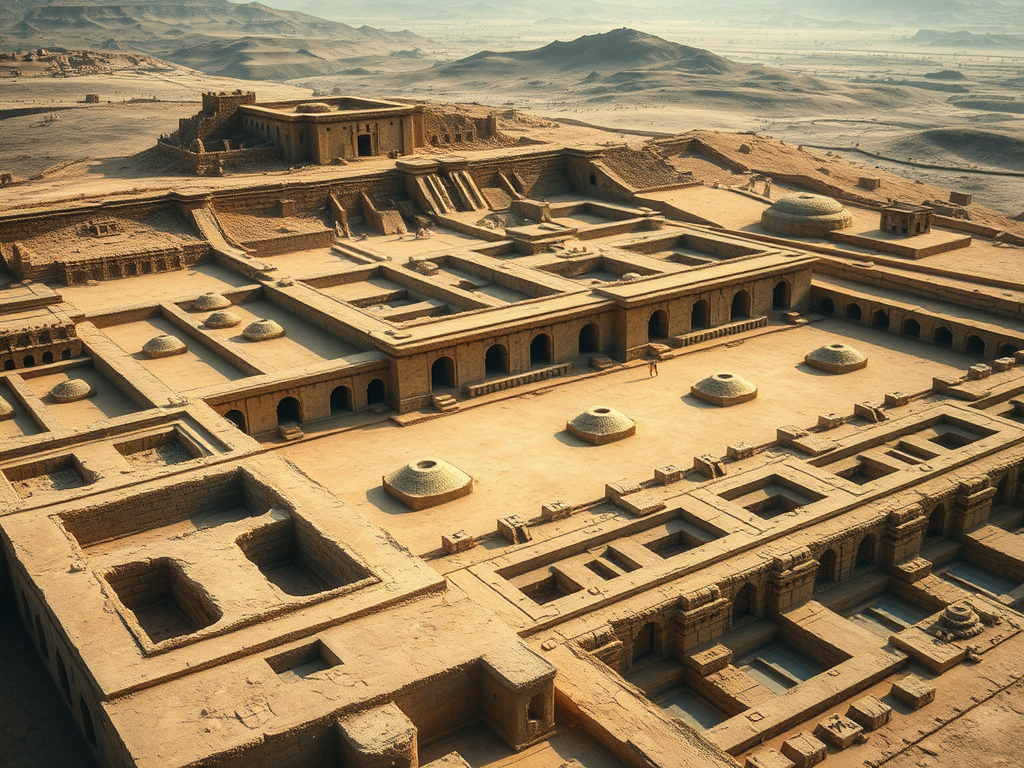
Introduction to the Indus Valley Civilization
75,679 views
Introduction to the Indus Valley Civilization • CrackTarget 𐤇 CRACKTARGET HARAPPAN ARCHIVES Home Quick Revision Explore All Courses 2600 — 1900 BCE • MATURE HARAPPAN PHASE THE INDUS VALLEY CIVILIZATION The world’s first truly planned urban civilization. Advanced drainage. Standardized bricks. Maritime trade. Undeciphered script. Timeless legacy. EXPLORE THE CITIES View Famous Artifacts 1.5 MILLION…
-

Study Note: Key Parliamentary Terms (Related to Parliamentary Questions)
75,679 views
Introduction Parliamentary questions are a cornerstone of India’s parliamentary democracy, allowing Members of Parliament (MPs) to seek information, ensure government accountability, and raise public issues during the Question Hour in the Lok Sabha and Rajya Sabha. The process involves specific terminology that governs how questions are asked, processed, and answered. For the SSA/UDC exam, the…
-
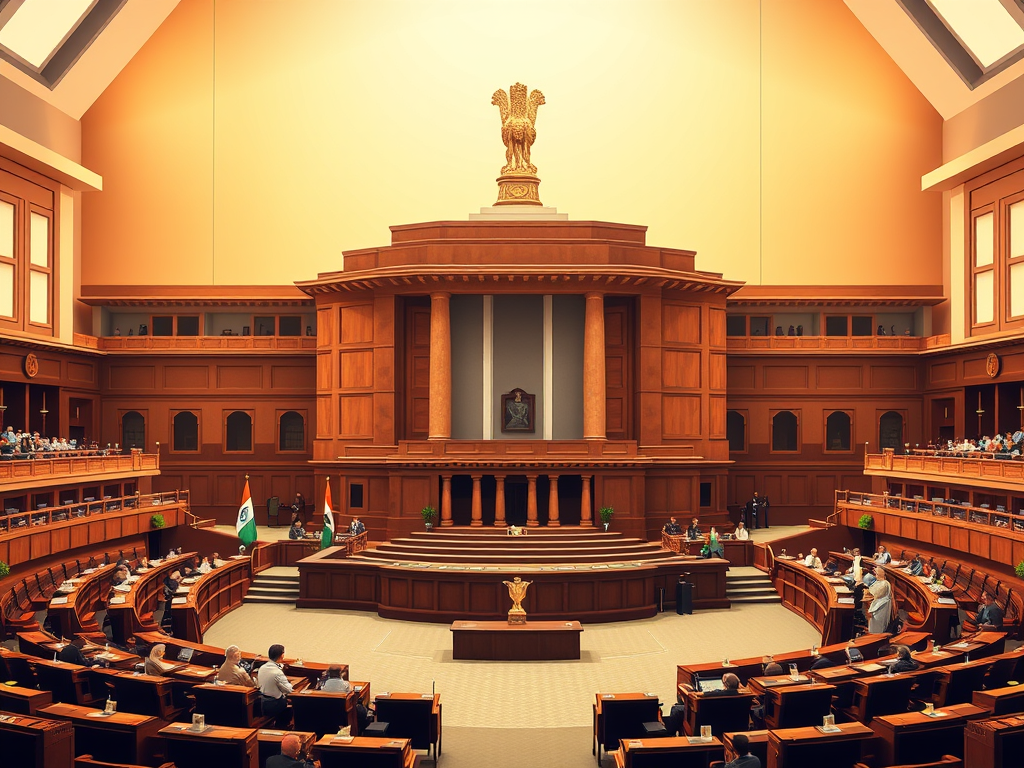
Study Note: Structure of the Indian Parliament
75,679 views
Detailed Study Note: Structure of the Indian Parliament Introduction The Indian Parliament is the supreme legislative body of India, responsible for making laws, approving budgets, and overseeing the government’s work. It is a bicameral legislature, meaning it has two houses: the Lok Sabha (House of the People) and the Rajya Sabha (Council of States). The…
You must be logged in to post a comment.