Monetary Policy: Comprehensive Study Material

74,436 views

Fiscal and Monetary Policy | Complete Notes, Comparison Table & MCQs for UPSC, RBI Grade B, EPFO
CrackTarget
INDIAN ECONOMY • ECONOMIC POLICY

Fiscal &
Monetary Policy

Fiscal and monetary policy are the two most powerful levers that shape India’s growth, inflation, employment and financial stability. This page provides complete, exam-focused notes on fiscal and monetary policy with latest policy rates (June 2026), comparison tables and practice MCQs.

Jump to Comparison
Start Practice Quiz
Accurate as per June 2026 MPC
Used by 50k+ aspirants
FISCAL AUTHORITY
Ministry of Finance
+ Parliament (Art. 112)
MONETARY AUTHORITY
Reserve Bank of India
RBI Act, 1934
KEY POLICY RATE
5.25%
Repo Rate • June 2026 (Neutral stance)
INFLATION TARGET
4% ±2%
CPI inflation • Flexible Inflation Targeting

Fiscal and monetary policy are the two most critical instruments of macroeconomic management in India. While fiscal and monetary policy work together to achieve growth, price stability, and employment, they are controlled by different authorities and use entirely different tools. This comprehensive guide covers everything you need to know about fiscal and monetary policy for UPSC, RBI Grade B, EPFO, NABARD and other competitive exams.

Fiscal and monetary policy - Complete study notes and comparison for UPSC RBI exams

Fiscal and monetary policy shape India’s economic direction

Why These Two Policies Matter

Fiscal Policy and Monetary Policy are the twin engines of macroeconomic management in India. While Fiscal Policy is controlled by the elected government and focuses on taxation, spending and borrowing, Monetary Policy is managed by the independent central bank (RBI) and primarily controls money supply and interest rates.

Fiscal Policy

  • Directly impacts income distribution & welfare
  • Longer time lag but broader impact
  • Subject to political considerations
  • Key laws: FRBM Act, 2003

Monetary Policy

  • Quick transmission through banking system
  • Primary goal: Price stability (4% ±2%)
  • Operated via MPC (Monetary Policy Committee)
  • More independent from day-to-day politics
SECTION 01

Fiscal Policy

Definition

Fiscal Policy refers to the use of government revenue (taxation) and expenditure to influence the economy. It is announced annually through the Union Budget (Article 112 of the Constitution — Annual Financial Statement).
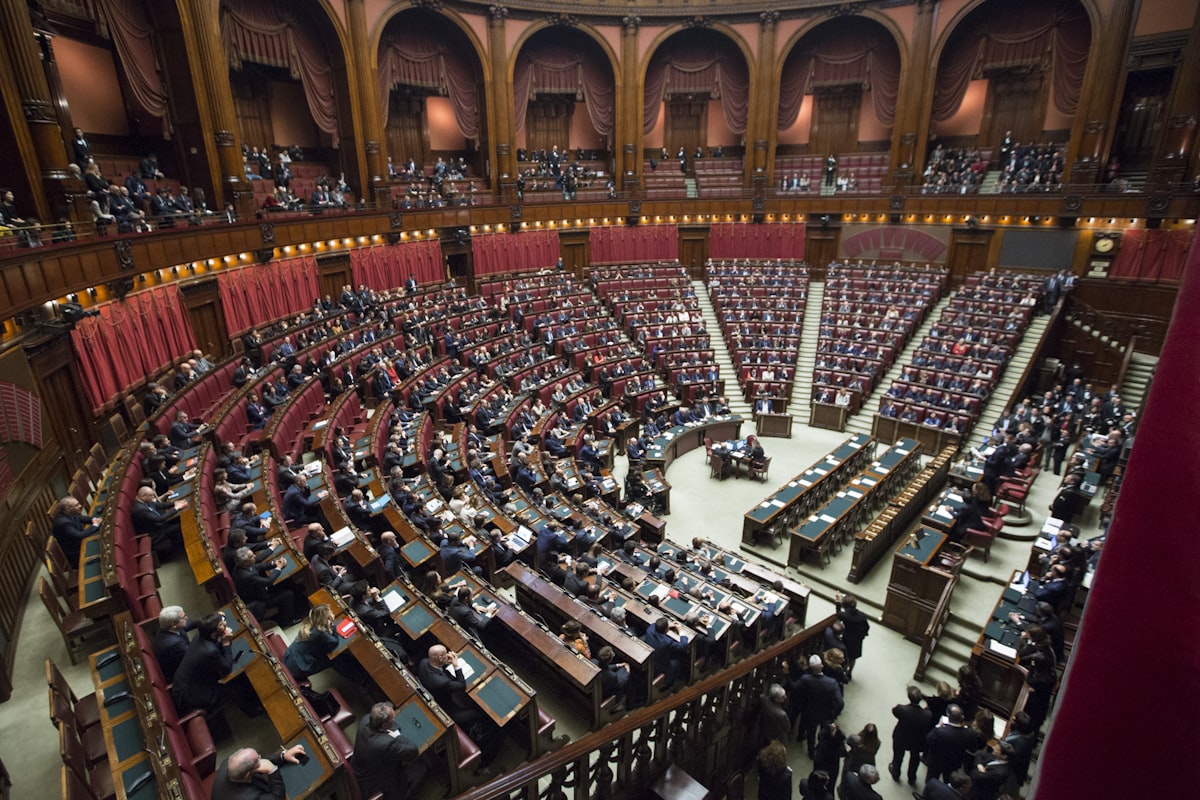
Key Constitutional Articles: 112 (Budget), 113 (Demand for Grants), 114 (Appropriation Bill), 115–117 (Supplementary grants & Money Bills)

→ Official Union Budget Portal (Ministry of Finance)

Fiscal and monetary policy - Union Budget and fiscal policy tools explained

Core Objectives

1. Economic Growth
Capital expenditure on infrastructure, productive assets
2. Price Stability
Control inflation/deflation through demand management
3. Employment Generation
Public works, MGNREGA, skill programmes
4. Social Welfare & Equity
Subsidies, welfare schemes, progressive taxation
5. Resource Mobilisation
Tax reforms, disinvestment, non-tax revenue
6. Infrastructure Development
Roads, railways, digital infra, green energy

Instruments / Tools of Fiscal Policy

1. Taxation
Most powerful revenue tool
Direct Taxes: Income Tax, Corporate Tax, Capital Gains Tax
Indirect Taxes: GST, Customs Duty, Excise (limited)
Progressive taxation helps reduce inequality
2. Public Expenditure
Demand injection into economy
Revenue Expenditure Salaries, subsidies, interest
Capital Expenditure Assets creation (highest multiplier)
3. Public Debt & Borrowing
Internal (market borrowings, small savings) & External. Managed under FRBM targets to keep debt sustainable.
4. Deficit Financing
Printing of new currency or borrowing from RBI. Highly restricted after FRBM Act. Now mostly avoided except in crises.

Types of Fiscal Policy

Expansionary Fiscal Policy
Used during recession / slowdown
  • • Increase in government expenditure
  • • Cut in taxes (more disposable income)
  • • Higher fiscal deficit allowed temporarily
  • • Example: COVID-19 stimulus packages
Contractionary Fiscal Policy
Used during high inflation / overheating
  • • Reduction in government spending
  • • Increase in taxes
  • • Lower fiscal deficit target
  • • Example: Austerity measures post high growth
SECTION 02

Monetary Policy

Definition & Legal Basis

Monetary Policy is the process by which the central bank (RBI) controls the money supply, interest rates and credit availability to achieve macroeconomic objectives — primarily price stability while supporting growth.

• RBI Act, 1934 (amended 2016 for MPC)
• Flexible Inflation Targeting (FIT) framework since 2016

→ Official RBI Monetary Policy Statements

Monetary policy tools by RBI - Part of fiscal and monetary policy in India

Current Policy Rates (June 2026 MPC)

Neutral Stance
REPO RATE
5.25%
Key policy rate
SDF
5.00%
Floor of corridor
MSF / BANK RATE
5.50%
Ceiling of corridor
CRR
3.00%
Cash Reserve Ratio
SLR
18.00%
Statutory Liquidity Ratio
INFLATION
4% ±2%
CPI Target

Instruments of Monetary Policy

QUANTITATIVE / GENERAL TOOLS
1. Cash Reserve Ratio (CRR)
Percentage of deposits banks must keep with RBI. ↑ CRR → less liquidity in system.
2. Statutory Liquidity Ratio (SLR)
Minimum liquid assets (cash, gold, govt securities) banks must maintain. Currently 18%.
3. Repo Rate & Reverse Repo
Rate at which RBI lends to / absorbs liquidity from banks. Most important signal today.
4. Open Market Operations (OMO)
RBI buys/sells government securities in secondary market to manage liquidity.
5. Liquidity Adjustment Facility (LAF)
Daily liquidity management through repo / reverse repo auctions.
6. Marginal Standing Facility (MSF)
Emergency borrowing window for banks at higher rate (currently 5.50%).
QUALITATIVE / SELECTIVE TOOLS
Margin Requirements
Credit Rationing / Ceilings
Moral Suasion
Direct Action / Penalties
Publicity & Guidelines

Monetary Policy Committee (MPC)

• 6 members (3 RBI + 3 Govt nominated)
• Meets bi-monthly (6 times a year)
• Decision by majority vote
• Inflation target reviewed every 5 years
HEAD TO HEAD

Fiscal and Monetary Policy: Key Differences

Understanding the fundamental differences between fiscal and monetary policy is crucial for both Prelims and Mains

Authority
FISCAL Ministry of Finance + Parliament
MONETARY Reserve Bank of India
Primary Objective
FISCAL Growth + Welfare + Equity
MONETARY Price Stability (4% ±2%)
Key Strength
FISCAL Direct impact on distribution & infrastructure
MONETARY Quick transmission & inflation control
Important for Exams:
Fiscal and Monetary policies often work in coordination but can also conflict. High fiscal deficit may force RBI to maintain higher interest rates. This coordination (or lack thereof) is a favourite Mains topic (GS-III).

→ Read Latest RBI Annual Report on Monetary Policy

Quick Revision — One Liners

Tap any line to copy • Perfect for last-minute revision

Fiscal Policy is announced through the Union Budget under Article 112 of the Constitution.
Monetary Policy Committee (MPC) has 6 members and meets bi-monthly.
Primary objective of Monetary Policy in India is price stability with growth.
Repo Rate is the rate at which RBI lends short-term funds to banks.
CRR is the percentage of deposits banks must keep as cash with RBI (currently 3%).
FRBM Act, 2003 aims to reduce fiscal deficit and ensure fiscal discipline.
Expansionary policy is used in recession; Contractionary policy controls inflation.
MSF rate is always 25–50 bps above Repo Rate (currently 5.50%).
Monetary policy has shorter time lag compared to fiscal policy.
SLR includes cash, gold and government securities that banks must hold.
INTERACTIVE PRACTICE

Test Your Understanding

7 high-quality MCQs • Instant feedback & explanations

Ready to go deeper?

Join 50,000+ aspirants mastering Indian Economy with structured courses, PYQs, and full-length mocks on CrackTarget.


Discover more from CrackTarget

Subscribe to get the latest posts sent to your email.


Comments

One response to “Monetary Policy: Comprehensive Study Material”

  1. […] Monetary Policy: Basics, Instruments, Types, Financial Institutions. […]

Leave a comment

Discover more from CrackTarget

Subscribe now to keep reading and get access to the full archive.

Continue reading

Discover more from CrackTarget

Subscribe now to keep reading and get access to the full archive.

Continue reading